How to Drain Infected Hangnail: A Safe DIY Guide
Learn safe, practical steps to drain an infected hangnail at home, when to seek care, and how to prevent infection. Clear, expert guidance from Drain Guide.


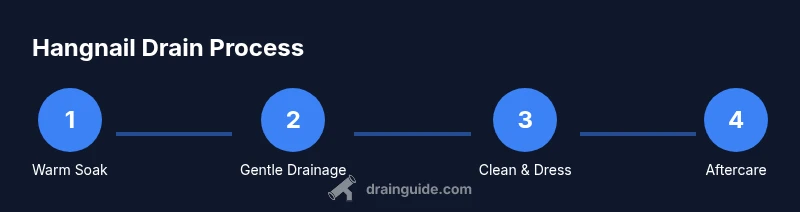
You can safely drain an uncomplicated, infected hangnail at home using clean hands, sterile tools, and proper antisepsis. Start with a warm soak and gentle drainage, then clean and bandage. If you see spreading redness, fever, or worsening pain, stop and seek medical care.
Understanding the condition
An infected hangnail occurs when bacteria enter the skin around the nail fold, causing redness, swelling, warmth, and sometimes pus. The goal of home care is to relieve pressure, promote drainage if a small pustule is present, and prevent the infection from spreading. The phrase "how to drain infected hangnail" describes a cautious, step-by-step approach to manage a localized problem without medical intervention. When you manage a mild case, the infection is usually limited to the skin around the nail and does not involve deep tissue. Always assess symptoms: if redness extends beyond the fingertip, if you develop fever, or if the pain worsens instead of improving after 24-48 hours, seek medical care. According to Drain Guide, safe home care focuses on cleanliness, proper antisepsis, and simple drainage when appropriate. The Drain Guide team found that with careful, patient care you can reduce pain and speed recovery when signs stay localized.
Safety first: when you should not drain at home
Drainage of an infected hangnail is sometimes appropriate for localized infections, but it is not safe for all cases. Do not attempt to drain if you notice spreading redness beyond the finger, increasing swelling, fever, or severe pain. If a boil or abscess is suspected or if you have diabetes, vascular disease, or poor circulation, seek medical attention promptly. Never use non-sterile tools or attempt to cut the skin yourself. If you are unsure about the severity, err on the side of caution and contact a clinician. In these scenarios, professional care prevents deeper infection and scarring.
Before you start: evaluating symptoms
Before attempting any drainage, perform a quick self-check: is the infection localized to the skin around the nail, with mild to moderate redness and swelling? Do you have fever, spreading redness, or persistent severe pain? If the answer is yes to any of these, stop and seek medical help. For mild cases, you may proceed with caution. Wash hands thoroughly, trim nails carefully, and ensure the environment is clean. Hydration and proper nutrition support healing, but they do not replace wound care. Drain Guide recommends a conservative approach: keep expectations realistic and monitor changes closely over the first 24-48 hours.
What you’ll need before you start
Having the right supplies makes a big difference in safety and comfort. You will need a clean basin for soaking, mild soap, clean water, antiseptic wipes or solution (like an alcohol wipe or iodine), sterile cotton or gauze, sterile tweezers or nail clippers, a clean towel, and a sterile adhesive bandage. Optional items include over-the-counter pain relievers and a gentle antibiotic ointment if recommended by a clinician. Always keep work surfaces tidy and wash your hands before handling any material near the wound. If sterile supplies are unavailable, wait until you can obtain them; do not substitute with improvised tools.
The warm soak method
Soaking the affected finger in warm water helps soften tissue and may encourage minor drainage to occur naturally. Use water that feels comfortably warm, not hot, and soak for 5-10 minutes. Do this 2-3 times a day for the first day or two. After soaking, pat the area dry with a clean towel. Soaking alone is not a cure, but it reduces discomfort and prepares the area for subsequent steps. Drain Guide notes this as a foundational step for mild, localized infections.
Gentle drainage technique (if appropriate)
If a small, clearly identifiable pus pocket is present, you may gently encourage drainage without cutting the skin. Apply gentle, steady pressure around the nail edge with a clean finger or sterile gauze to coax fluid outward. Do not use sharp tools or incise the skin; this can cause deeper infection or injury. If there is any resistance, stop and seek medical assistance. Pain should decrease after drainage, not worsen. Always disinfect hands and tools before and after the process.
Cleaning, antiseptic, and dressing
After drainage, flush the area with saline or clean water and blot dry. Apply a thin layer of antiseptic ointment if directed by a clinician and cover with a sterile bandage. Change the dressing daily or whenever it becomes wet or dirty. Avoid tight bandages and keep the finger dry when possible during the initial healing period. Continue regular hand hygiene and avoid picking at the site. Proper cleansing and coverage reduce the chance of re-infection.
Pain management and activity
Over-the-counter pain relievers such as acetaminophen or ibuprofen can help manage discomfort. Follow the dosing instructions on the label and avoid exceeding recommendations. Keep the hand elevated when resting to reduce throbbing and swelling. Limit vigorous activities that stress the finger for the first 24-48 hours, then gradually resume normal use as tolerated.
Aftercare and prevention
Monitor the area daily for signs of improvement: reduced redness, shrinking swelling, and less drainage. Keep nails trimmed to prevent hangnail formation, moisturize the surrounding skin to prevent cracking, and practice good hand hygiene. If you repeatedly experience hangnail infections, consider changing nail care tools and routines. Drain Guide suggests routine nail care as a long-term prevention strategy.
When to seek professional care
If redness spreads beyond the finger, if you develop fever, red streaks from the area, swelling that worsens, severe pain, or if there is no improvement within 24-48 hours, seek medical attention. Diabetes or immune-compromising conditions require earlier evaluation. A clinician can perform a sterile drain under appropriate conditions or prescribe antibiotics if needed. Do not delay professional care when warning signs appear.
Authority sources
For additional reading on wound care and infection management, consider the following reputable sources: CDC (https://www.cdc.gov), NIH (https://www.nih.gov), and Mayo Clinic (https://www.mayoclinic.org). These references provide evidence-based guidance on recognizing infection, wound cleansing, and safe care practices.
Tools & Materials
- Clean basin or bowl for warm soak(Large enough to submerge the finger; use clean, boiled or distilled water if possible)
- Mild soap(Non-irritating soap for pre-soak cleaning)
- Warm water(Comfortably warm for soaking; test temperature first)
- Antiseptic wipes or solution(70% isopropyl alcohol or iodine-based antiseptic)
- Sterile cotton balls or gauze(For drying and cleaning without introducing contaminants)
- Sterile tweezers or nail clippers(Only if adjudged necessary by a clinician; not for incision)
- Clean towel or disposable paper towels(Dry, clean drying method after soaking)
- Adhesive bandage or sterile dressing(Protective cover after care)
- Optional: over-the-counter pain reliever(Follow label instructions; not a substitute for medical care if signs worsen)
Steps
Estimated time: 25-40 minutes
- 1
Prepare supplies and sterilize hands
Gather all items in a clean, well-lit area. Wash hands thoroughly with soap and water for at least 20 seconds, then dry with a clean towel. This minimizes introducing bacteria to the wound.
Tip: Have towels and antiseptic ready to minimize movement around the wound. - 2
Soak the finger
Submerge the affected finger in warm water for 5-10 minutes to soften skin and nail folds. Repeat 2-3 times in the first 24 hours to improve drainage potential.
Tip: Keep water warm but not hot to avoid tissue damage. - 3
Assess for drainage potential
Gently inspect the area after soaking. If a localized pus pocket is evident and you can apply light pressure without increasing pain, you may proceed with drainage carefully.
Tip: If you feel hesitation or significant pain, stop and seek medical advice. - 4
Disinfect tools and skin
Wipe tools and surrounding skin with an antiseptic wipe. Do not share tools with others and dispose of single-use items properly after use.
Tip: Never reuse a tool that is contaminated. - 5
Gently encourage drainage
Using clean hands or sterile gauze, apply gentle pressure around the nail edge to coax drainage outward. Do not cut or incise the skin. Stop if drainage does not occur or pain worsens.
Tip: If no drainage occurs after several attempts, discontinue and seek care. - 6
Clean and protect the area
After drainage, rinse with saline or clean water, pat dry, apply a thin layer of antiseptic ointment, and cover with a sterile bandage. Change the dressing daily or when wet.
Tip: Keep the area breathable and avoid tight dressings. - 7
Manage pain and activity
Take an over-the-counter pain reliever if needed and follow dosing guidelines. Limit strenuous use of the hand for the first 24-48 hours.
Tip: Elevate the hand during rest to reduce swelling. - 8
Monitor and decide on next steps
Observe for improvement within 24-48 hours. If redness spreads, fever develops, or pain intensifies, seek medical care.
Tip: Keep a simple log of symptoms to convey to a clinician if needed.
Got Questions?
Can I drain a hangnail at home?
Yes, for mild, localized infections without systemic symptoms. Use sterile supplies, gentle technique, and monitor for improvement. If redness spreads or pain worsens, seek medical help.
Yes, you can at home if the infection is mild and localized, but stop if it worsens and see a clinician.
What signs require urgent care?
Red streaks, fever, increasing redness or swelling, severe pain, or no improvement within 24-48 hours require medical evaluation.
Look for red streaks, fever, or worsening symptoms and seek care promptly.
Are there risks to home drainage?
Improper technique or non-sterile tools can introduce bacteria or cause deeper infection. Always prioritize cleanliness and seek professional care if unsure.
The main risk is spreading infection or injury if not done with proper sterile technique.
How long does healing take after drainage?
Healing varies; most cases improve within a few days to a week with proper care, but persistent symptoms warrant medical advice.
Recovery usually happens in days to a week with good wound care.
What prevention helps prevent hangnail infections?
Keep nails trimmed, moisturize skin around nails, avoid biting or picking, and sanitize nail tools regularly.
Keep nails neat and moisturized, and sanitize tools to prevent infections.
If symptoms worsen, where should I go?
If signs escalate, contact your primary care provider or visit urgent care for assessment and possible antibiotics.
See a clinician if the infection worsens or doesn't improve.
Watch Video
The Essentials
- Start with a clean, sterile setup and warm soak
- Drainage should be gentle and localized
- Discontinue if symptoms worsen or do not improve
- Follow up with proper antisepsis and dressing
- Seek professional care for signs of spreading infection