How to Get Rid of Drain Flies: A Practical Guide for Homeowners
Learn proven methods to identify breeding sites, eliminate drain flies, and prevent recurrence with a practical, step-by-step plan from Drain Guide for homes and apartments.


You can get rid of drain flies by a clear, repeatable plan: locate breeding sites, deep-clean affected drains, and use enzyme-based cleaners or boiling water to break down organic buildup. Address moisture sources, seal entry points, and monitor for reinfestation. With persistence over 7–14 days, most households achieve noticeable relief.
Understanding Drain Flies
Drain flies, also called sewer gnats, are tiny moth-like insects about 1/8 inch long. They live and breed in the film of organic matter that builds up inside drains, pipes, and nearly any moisture-rich area. When adults emerge, they hover around sinks and drains, especially in kitchens and bathrooms. The problem tends to worsen when moisture remains, debris accumulates, and vents or traps are clogged. According to Drain Guide, drain flies breed most readily in consistently damp environments where there is a steady source of organic material to feed on. Drain Guide analysis shows that the fastest relief comes from a two-pronged approach: sanitation and moisture control, followed by targeted cleaning of the affected drains. Begin by locating all drains that routinely stay damp and then plan a targeted cleanup. This section sets the stage for a practical, no-nonsense plan that homeowners can implement this weekend.
Common Breeding Sites in Homes
Drain flies thrive in several spots around a typical home. They prefer moist, dark locations with organic buildup. Common breeding sites include kitchen and bathroom sinks, shower and tub drains, floor drains in basements or laundry rooms, and the P-trap under sinks. They can also breed in drain lines connected to garbage disposals, dishwashers, and even unused drains if moisture remains. To target the problem, inspect each candidate site for standing water, slime, or a faint musty odor. If you see tiny larvae or a film lining the drain, you’ve found a breeding site. The next steps focus on removing food sources and improving drainage.
Immediate Cleaning Plan
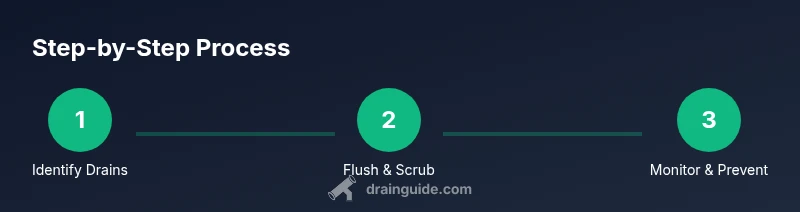
To disrupt the life cycle, start with a thorough cleaning of all suspected drains. Begin by flushing each drain with a kettle of boiling water to kill surface eggs and larvae. Then scrub the inside of the drain with a long-handled bottle brush to remove the organic film. Move on to a biological or enzyme-based cleaner and allow it to sit according to the product instructions for the recommended dwell time. Finally, flush again with hot water. Record the date and the drains you treated to monitor progress. Drain Guide recommends repeating this sequence for several days in a row on at least two drains in the first week.
Safe, Effective Treatments and Why They Work
Enzyme-based drain cleaners are designed to digest the organic matter that fuels drain fly breeding. They are generally safer for homeowners and septic systems than harsh chemical cleaners. Boiling water can be a quick kill for surface eggs, but it must be used with caution on fragile pipes. Mechanical cleaning with a stiff brush helps remove the slippery film that harbors larvae. Do not rely on bleach as a long-term solution; while it may kill adults, it does not address the root cause and can damage pipes over time. If you prefer non-chemical methods, combined with moisture control and traps, you can achieve relief without introducing strong fumes into living spaces.
Moisture Management and Prevention
Drain flies need moisture to survive, so reducing humidity and fixing leaks is essential. Check under sinks for slow drips, ensure traps are filled with water, and repair any cracked seals around drains. Use exhaust fans in bathrooms and kitchens and consider a dehumidifier in damp basements. Regular cleaning of drains to remove biofilm reduces future breeding sites. Keep trash cans sealed and remove standing water from floors and pet water bowls. Drain Guide notes that preventive maintenance is often the difference between a one-time cleanup and a long-term solution. By reducing moisture, you make your home less hospitable to adult flies and their offspring.
Trapping and Monitoring Without Harsh Chemicals
Sticky traps placed near problem drains can help you monitor activity and reduce adult populations without introducing additional chemicals. UV light traps are another option for monitoring; place them away from sleeping areas and use only in rooms with proper ventilation. Traps provide data about ongoing activity and help you decide when to escalate cleaning. Keep traps clean and replace as needed. In homes with persistent infestations, traps can help you gauge whether your cleaning routine is working.
When to Call a Pro and What to Expect
If you continue to see drain fly activity after two weeks of diligent cleaning and moisture control, it’s time to call a professional. A licensed plumber or pest control technician can perform a more thorough drain-line inspection, identify hidden breeding sites, and treat with professional-grade products. They may also help with vent inspections, pipe resealing, or drainage improvements in the plumbing system. The cost will vary by region and the extent of infestation, but early intervention reduces total disruption and expense.
Common Myths About Drain Fly Control
There are several myths that can delay relief. Myth: bleach alone will solve the problem. Reality: bleach may kill adults but does not address larvae or biofilm, so reinfestation is likely. Myth: drain flies come from dirty kitchen trash only. Reality: they breed in any consistently moist drain with organic buildup, including bathrooms and laundry areas. Myth: once you clean, they’re gone forever. Reality: without moisture control and regular maintenance, they can return. Address mud-traps and review ventilation for ongoing control.
Tools & Materials
- Long-handled drain brush(Needed to scrub the inside of vertical drains and traps)
- Boiling water(Do not pour into all plastics; use caution to avoid scalding)
- Enzyme-based drain cleaner(Select a product labeled for septic-safe use)
- Rubber gloves(Protect hands during cleaning)
- Plastic bucket(Catch runoff when flushing or cleaning)
- Old towels or rags(Mop up spills and wipe surfaces)
- Sticky fly traps(Assist monitoring and early detection)
Steps
Estimated time: 14-28 hours
- 1
Identify breeding drains
Inspect all likely drains in kitchens, bathrooms, laundry areas, and basements. Look for slime, foul odor, and areas that stay damp. Note which drains are used most and which are rarely cleaned, as these are prime breeding sites.
Tip: Wear gloves and use a flashlight to inspect inside pipes; keep a simple checklist. - 2
Flush with boiling water
Pour a kettle of boiling water down each identified drain to disrupt eggs and larvae on the surface. Repeat for multiple drains if you have a broad infestation.
Tip: Be cautious with hot water near delicate plastics or metal surfaces; use a stable container. - 3
Scrub the drain interior
Use the long-handled brush to scrub the inner walls of the drain to remove the biofilm that feeds larvae. Focus on the area near the trap and any vertical segments where buildup parks.
Tip: Scrub in small circles and rinse with hot water after each pass. - 4
Apply enzyme-based cleaner
Apply an enzyme-based cleaner according to label directions, ensuring it covers the full length of the drain. Allow the dwell time specified by the product to digest organic matter.
Tip: Do not mix cleaners with bleach; follow the product’s safety notes. - 5
Rinse and test
Flush drains with hot water again after the cleaner’s dwell time. Check for reduced odors and fewer visible larvae or film. Repeat steps 2–5 on the most problematic drains if needed.
Tip: Keep a simple log of dates and which drains were treated. - 6
Set traps and monitor
Place sticky traps near affected drains to monitor fly activity over the next week. Use the data to decide whether to scale up cleaning or add moisture-control measures.
Tip: Place traps away from sleeping areas and fluids; replace when saturated. - 7
Maintain prevention
Commit to ongoing moisture control and periodic cleaning to prevent reinfestation. Schedule a weekly check of traps and drains for at least one month.
Tip: Declutter moist areas, fix leaks promptly, and keep vents running in bathrooms.
Got Questions?
What attracts drain flies?
Drain flies are attracted to moist organic debris found in drains and pipes. Regular cleaning and moisture control reduce their food source.
Drain flies are drawn to moist, organic debris in drains; keeping drains clean and dry helps keep them away.
Are drain flies dangerous to humans?
They can be a nuisance and may indicate unsanitary conditions. They are not typically dangerous, but they can trigger allergies in some people.
They’re mostly a nuisance and a sign of moisture issues; they’re not usually dangerous, but they can trigger allergies.
Can I use bleach to kill drain flies?
Bleach may kill adults, but it does not address larvae or film buildup. Enzyme cleaners plus physical cleaning are a more effective long-term approach.
Bleach can kill some flies, but it won’t solve the problem long-term; enzymes plus cleaning is better.
How long does it take to get rid of drain flies?
Relief is often felt within a week with thorough cleaning and moisture control; full elimination may take two weeks or more in persistent cases.
Usually you’ll see relief in about a week, with full elimination potentially taking two weeks or longer in tough cases.
Do drain flies only come from showers?
No. They breed in any damp drain with organic buildup: kitchen sinks, bathrooms, laundry drains, and floor drains.
They breed in any damp drain, not just showers, so check multiple locations.
What if they come back after cleaning?
Reassess moisture sources and address new leaks or biofilm. Repeat cleaning and consider preventive traps and regular maintenance.
If they return, look for new moisture sources and repeat the cleaning plus traps to keep them away.
Watch Video
The Essentials
- Identify all damp drains to target breeding sites.
- Combine sanitation with moisture control for long-term relief.
- Enzyme cleaners work with dwell time; avoid over-reliance on bleach.
- Moisture reduction is essential to prevent recurrence.
- Monitor progress with traps to know when to escalate.