How to Clean Drain Pipes: A Complete DIY Guide for Homeowners
Learn techniques to safely clean drain pipes, unplug clogs, and maintain pipe health. This Drain Guide tutorial covers tools, step-by-step methods, maintenance routines, and safety tips for residential drains.


Learn safe, step-by-step methods to clean and maintain drain pipes, unplug stubborn clogs, and prevent future buildup. This guide covers essential tools, household routines, and when to escalate to professional help. It walks you through basic DIY techniques, safe cleaners, and best practices to protect pipes and keep your drains flowing smoothly.
Why Regular Drain Cleaning Matters
Blocked or slow drains are more than a nuisance; they signal buildup that can lead to leaks, backups, and foul odors. Hair, soap scum, grease, and mineral deposits gradually cling to the inside of pipes, reducing diameter and increasing pressure on joints. Regular cleaning helps restore flow, prolongs the life of your plumbing, and minimizes costly emergencies. According to Drain Guide, routine maintenance reduces the likelihood of major clogs by addressing buildup before it becomes a problem. In this section, we'll explain how drain pipes work and why proactive care pays off for homeowners. We'll also discuss common myths, such as using hot water alone or relying on store-bought chemical cleaners, and explain why safe, measured approaches are best.
This deeper look helps you identify the signs of trouble early, understand the trade-offs between mechanical methods and chemical cleaners, and plan a simple maintenance routine that fits most homes.
Tools and Safety Essentials
To clean drain pipes safely and effectively, assemble a small toolkit and follow protective practices. Wear rubber gloves and safety glasses to guard against splashes and debris. Have a bucket, old towels, and rags ready to catch water and catch sludge. A plunger (cup or flange), a drain snake or hair auger, and an adjustable wrench will handle most clogs. For safer chemical use, keep baking soda, white vinegar, and boiling water on hand and use enzyme-based cleaners when appropriate. A flashlight helps inspect dark pipes and traps. Finally, have a drain-safe cleaner on standby if you know the pipe materials can tolerate it, and avoid mixing cleaners. The right setup minimizes mess and reduces the risk of damage.
Common Cleaning Scenarios and Solutions
Slow kitchen sinks often stem from grease and food particles catching in the trap or pipe. For bathroom sinks and tubs, hair is a frequent culprit. Showers and tub drains can collect soap scum and mineral buildup, causing odor and slow draining. Start with mechanical methods—remove and clean the P-trap, then use a plunger to restore flow. If water backs up, a drain snake can reach further into the pipe to dislodge the clog. Avoid rushing to caustic or acidic chemical cleaners; they may damage pipes or septic systems. Enzyme-based cleaners offer a gentler, eco-friendly option for regular maintenance. After clearing a clog, flush with hot water to help push remaining debris through the system. Remember, patience is often your best tool, and frequent, small cleanings are more effective than large, infrequent efforts. Drain Guide analysis shows that many clogs are preventable with routine maintenance and careful tool use.
Keeping It Clean: Routine Maintenance and Quick Fixes
A simple monthly routine keeps drains flowing and reduces the risk of major backups. Schedule a 5-minute check to review traps, seals, and visible piping. When a slow drain appears, start with the trap and a mechanical clearing approach before turning to cleaners. For households with hair, consider a drain screen or hair catcher to prevent buildup. For kitchen drains, scrape food scraps into the trash rather than the sink, and run hot water regularly to dissolve grease. If a foul odor persists, scrub the drain surface with baking soda and rinse with hot water, then follow with a vinegar flush. Always start with mechanical methods and reserve chemical cleaners for stubborn cases, and never mix different cleaners. The Drain Guide team recommends documenting your routine and adjusting based on usage patterns, so you can stay ahead of problems rather than reacting to backups.
Tools & Materials
- Drain plunger (cup or flange)(Choose a size suitable for your sink or tub.)
- Drain snake / hair auger(Be prepared to rotate while feeding into the pipe.)
- Adjustable wrench(Used to loosen trap fittings.)
- Bucket(To collect water and debris during trap removal.)
- Gloves (rubber)(Protects hands from dirty water and chemicals.)
- Safety glasses(Protect eyes from splashes.)
- Flashlight(Inspect dark pipes and traps.)
- Baking soda(Mild cleaning booster.)
- White vinegar(Used for safe chemical reaction with baking soda.)
- Boiling water(Flushes loosened debris through the system.)
- Enzyme-based drain cleaner(Gentle option for maintenance.)
- Old towels or rags(Contain spills and drips.)
Steps
Estimated time: 45-75 minutes
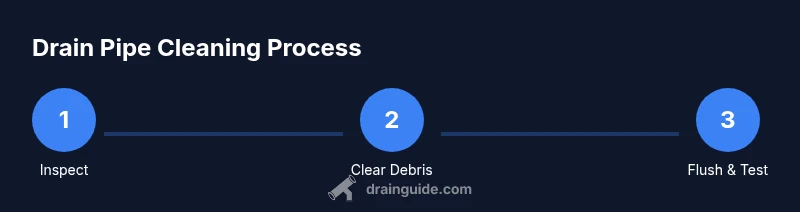
- 1
Assess and prepare
Inspect the affected area to identify the clog type and pipe material. Clear the area under the sink or access panel, place a bucket, and lay towels to catch spills. Gather your tools and safety gear before you begin.
Tip: Put a cloth under the trap to catch residual water and debris. - 2
Clear visible debris from the trap
Place a bucket under the P-trap, loosen the connections, and remove the trap. Clean the trap thoroughly and inspect for cracks or damage.
Tip: Carefully reassemble and ensure a tight seal to prevent leaks. - 3
Plunge to dislodge shallow clogs
Seal the drain with the plunger and push-pull firmly for 15-30 seconds to break up the clog. Re-test by running water.
Tip: Add a small amount of dish soap to improve suction if needed. - 4
Use a drain snake for deeper blockages
Insert the snake into the pipe, rotate while pushing forward until you reach resistance, then withdraw slowly collecting debris.
Tip: Keep steady pressure and don’t force the snake past bends. - 5
Flush with hot water and safe cleaners
Gradually pour boiling water, then a baking soda + vinegar flush or enzymatic cleaner follow steps, and finish with a hot-water rinse.
Tip: Do not mix baking soda and vinegar for sealed systems; use separately. - 6
Test and monitor
Run water through the drain, check for complete clearance, and inspect for leaks. Clear up and store tools.
Tip: Log the outcome and note any recurring issues for future maintenance.
Got Questions?
Can I use baking soda and vinegar to clean drains?
Yes, a mild, periodic combo can help maintain drains, but it may not clear stubborn clogs. Mechanical methods are often required for tough blockages.
Baking soda and vinegar can help with routine maintenance, but for stubborn clogs you’ll likely need a snake or plunger.
Are chemical drain cleaners safe for septic systems?
Most chemical cleaners can disrupt septic systems. Prefer enzyme-based cleaners or mechanical methods and avoid caustic products when possible.
Chemical cleaners can harm septic systems; use enzyme cleaners or mechanical methods instead.
How often should I clean drains?
Aim for a routine check monthly and a deeper clean every 3–6 months, depending on usage and detectible signs of buildup.
Most people benefit from a monthly check and a deeper clean a few times a year.
What should I do if I still have a clog after cleaning?
Try rechecking the trap, use a drain snake for deeper reach, and if unresolved, contact a professional plumber.
If the clog sticks around, it’s time to call a pro.
Is it safe to use a drain snake without professional help?
Yes, with proper technique. Avoid forcing past bends and wear eye protection and gloves.
You can use a drain snake, just follow the instructions and wear protection.
When should I call a professional?
If you cannot clear the clog after a few attempts, notice recurring backups, or have sewage odors, seek professional help.
If the clog returns or you smell sewage, call a pro.
Watch Video
The Essentials
- Inspect drains monthly to catch buildup early.
- Use mechanical methods first before chemicals.
- Avoid caustic cleaners that can damage pipes or septic systems.
- Document and adjust maintenance routines over time.