Can You Flush the Toilet When Power Is Out? A Homeowner's Guide
Learn whether you can flush a toilet during a power outage and how to safely flush without electricity. Step-by-step non-electric methods, safety tips, and backup options for DIY homeowners.


Yes, you can flush during a power outage in most homes with municipal water, but well users may lose supply. The key factor is whether your toilet still has enough water in the tank and whether you can supply water to the bowl without electricity. This guide covers when a flush is possible and how to safely do it using non-electric methods.
Can you flush toilet when power is out? Key factors
The short answer depends on how your home gets water. If your home uses municipal water, a power outage typically does not stop the water supply, and a standard gravity flush from the toilet tank can still occur. If your home relies on a well, the power outage will usually cut the well pump, meaning you may have little or no water to flush. In both cases, you can still manage basic toilet needs by using non-electric methods, which Drain Guide outlines below. The core idea is to avoid creating a backup waste situation and to keep safety gear handy. The main factors are water availability, tank level, and whether you have an alternative water source to pour into the bowl. As Drain Guide analyses in 2026 show, preparedness matters more than fancy equipment. By knowing your water source and having a plan, you reduce the risk of sewage backup and messy cleanups. The guidance here leans on practical, non-technical steps you can take tonight, without special tools.
How a power outage affects your home's water supply
During a blackout, the only thing that changes for most households is the electricity supply. The water line itself is typically unaffected, but your water source may be. If your house is connected to municipal water, you may still have water pressure and supply; the town's pumps run on power, but water lines stay pressurized even when the municipal building grid is down. If you rely on a private well, the well pump is powered by electricity; when the power goes out, the pump stops, and the tank in your home or the well may not be replenished. In either case, it’s helpful to know whether your toilet has enough water in the tank. If the tank is low, you’ll have less flush force, which may fail to clear waste. Drain Guide's 2026 analysis emphasizes planning ahead with non-electric methods to mitigate this issue. Practically, this means knowing your water source and having a plan before an outage hits.
Quick, safe methods to flush without power
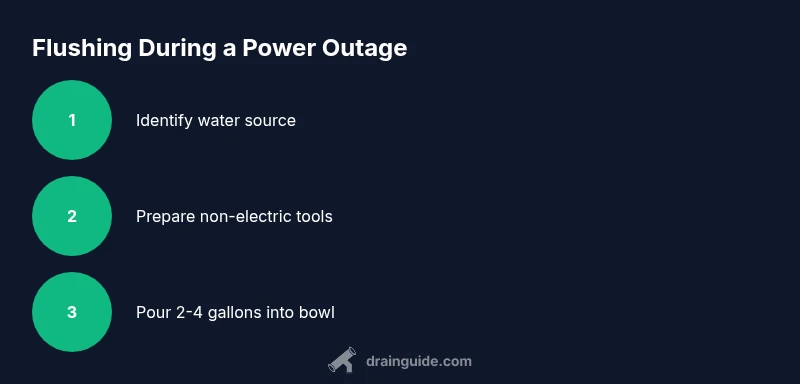
If you have municipal water, your toilet will often flush with the standard tank-fill mechanism once power returns, but during a power outage you can use non-electric techniques to manage without pressing the flush button. The most common approach is the bucket flush: fill a clean bucket with 2-4 gallons of water and pour it quickly into the toilet bowl to generate enough thrust to push waste through the trap. Pour slowly at first to assess how the bowl accepts water, then increase speed. If the bowl does not flush completely, repeat with another bucket. Pour towels or a rag nearby to catch splashes. If you still have a clog, use a plunger in the same way you would with a regular flush. The key is to avoid overfilling and to move water with a strong, steady pour. This method is safe for porcelain toilets and does not require electricity. Drain Guide recommends practicing this method during non-emergency times so you’re prepared.
Alternative strategies if you can't flush
Besides bucket flushing, you can increase the water in the bowl by gradually pouring water to raise the water level and push waste, or you can use a plunger to help dislodge a partial clog after a bucket flush. If you only need to manage waste temporarily, consider using a secondary container (like a large jug) to store gray water out of reach of children and pets. Do not use a chemical drain cleaner in combination with non-electric methods. For ongoing outages, you may opt to place a temporary seat cover or a makeshift container to avoid odors and keep the area sanitary until power is restored.
Safety and hygiene considerations
Power outages can be messy and unsanitary. Wear gloves when handling waste and wash hands thoroughly after any cleanup. Keep pets away from the bathroom. Do not mix cleaning chemicals with detergents, and never pour bleach or ammonia directly into a toilet with standing waste, as it can release dangerous fumes. After you flush using water, rinse the bowl with clean water if possible. If you suspect a sewer backup or you are handling a long outage, contact a licensed plumber for advice. Always check your local guidelines on water use during outages.
Quick troubleshooting and maintenance after outage
Once the power returns, run a normal flush to ensure the system resets and confirm there are no leaks. Check the supply line for leaks near the shut-off valve, and inspect the toilet for cracks or overflows. If you notice a weak flush after the event, check the fill valve and adjust the float. If you used the bucket method, sanitize the bowl and bucket before storing for the next use. If repeated outages are common, consider installing a manual back-up water storage container.
When to call a plumber or consider backups
Call a plumber if you notice persistent weak flush, standing water in the bowl, or a recurring backup. If you expect frequent outages, consider installing a gravity-fed backup tank, or a hand-pump well option, or a battery backup for the well pump. A professional can assess whether your plumbing is at risk of backflow or clogs when power is out and can advise on a backup plan. Having a professional assessment can prevent costly damage and protect your home's plumbing system during extended outages.
Planning for future outages: tips to avoid panic
Create a simple outage kit: a labeled bucket with a lid, a spare jug of water, a flashlight, gloves, a plunger, and a headlamp. Practice the bucket flush method during non-emergency times so family members are prepared. Make a plan with family members about who flushes when the power is out and where to isolate waste to minimize odors. Finally, talk to your water supplier about any local outages or pressure changes and consider a small, reliable backup water source for essential needs.
Tools & Materials
- Bucket (5 gallons or larger)(Used to hold water for a non-electric flush)
- Plunger(Standard flange plunger for toilets)
- Water supply (additional 5 gallons)(Water for bucket flushes; use clean potable water if possible)
- Gloves(Protect hands during handling of waste)
- Flashlight(Ensure visibility in dark outages)
- Towels or rags(Contain spills and protect flooring)
Steps
Estimated time: 30-60 minutes
- 1
Identify water source and outage status
Check whether your home relies on municipal water or a well. If the municipal supply is active, you can usually flush using the tank; if you depend on a well, power loss may cut water to the toilet. Understanding your source prevents wasted effort.
Tip: Test water flow at a faucet to confirm if water is available before attempting a flush. - 2
Assemble your non-electric flushing kit
Gather a bucket, water, gloves, towels, and a plunger. Have the bucket filled and ready to pour. This reduces delays once you start the flush process.
Tip: Place the bucket at a safe height to avoid spills when pouring. - 3
Pour water into the bowl to simulate a flush
Draw 2-4 gallons of water and pour it into the toilet bowl in a single, confident motion to create thrust.
Tip: Pour slowly at first to gauge the bowl's response; ramp up speed to maximize flush force. - 4
Use the plunger if waste remains
If the flush doesn't clear, give the plunger a few firm pumps to break up resistance and help move waste through the trap.
Tip: Ensure a good seal and maintain controlled motion to avoid splashing. - 5
Repeat the flush if needed and monitor for overflow
If waste remains, repeat the bucket flush with another batch of water. Stop if the bowl begins to overflow; take a moment to reassess water supply and the clog before proceeding.
Tip: Maintain towels nearby to catch any overflow and prevent floor damage. - 6
Clean up and sanitize after the flush
Wash hands thoroughly and disinfect any surfaces touched during the process. Rinse the bucket and store it clean for future outages.
Tip: Label your emergency kit so family members can reuse it quickly. - 7
Plan for future outages
Create a simple outage plan that includes backups like a gravity-fed tank or a hand-pump option. Practice the bucket flush method so everyone knows what to do.
Tip: Test your backup plan during non-emergency times so you’re prepared.
Got Questions?
Can I flush during a power outage if I have municipal water?
Yes, usually you can flush because the municipal water system maintains pressure independent of your home’s power. If pressure drops, use the bucket method described in the guide. If power or water service is interrupted, rely on non-electric methods until service is restored.
Yes, if your city water is active you can typically flush. If not, use the bucket method until service returns.
What should I do if the toilet won’t flush after pouring water?
If the toilet doesn’t flush after adding water, re-check the water amount and try a second bucket. If it still doesn’t flush, use the plunger to break up the clog and reseek a flush, then reassess water supply.
If it won’t flush, try more water or use the plunger after you add a second bucket.
Is it safe to pour hot water into the toilet bowl during an outage?
Pouring hot water is not recommended for porcelain toilets as extreme temperatures can crack the bowl. Use cool or room-temperature water for bucket flushes.
Avoid hot water; use cool water to prevent damage.
How long can I go without flushing before sanitation becomes a problem?
Waste buildup can become noticeable within hours, especially with a small water supply. Flush as soon as water is available or follow the bucket-flush method to manage waste during outages.
Waste can become noticeable quickly; flush with any available water.
Should I install a backup power solution for the well or toilet?
If outages are frequent, a backup power option for the well pump or a gravity-fed backup tank can improve reliability. Consult a plumber to evaluate options suitable for your home.
Consider a backup power solution for more reliable flushing.
What are safer alternatives to chemical drain cleaners during outages?
Avoid mixing chemical cleaners with non-electric flushing methods. They can release fumes and damage pipes. Use mechanical methods (bucket flush, plunger) and clean water first.
Don’t mix cleaners with non-electric methods; use mechanical methods instead.
Watch Video
The Essentials
- Prepare a non-electric bucket flush kit
- Know whether your water comes from city mains or a well
- Pour water in the bowl to flush when the power is out
- Use a plunger for partial clogs and monitor overflow
- Plan future outages with backups and practice