How to Tell If Your Drain Field Is Failing: A Practical DIY Guide
Learn how to tell if your drain field is failing with clear signs, quick checks, and step-by-step actions. Drain Guide covers symptoms, causes, diagnostics, safety tips, and prevention to protect your home.


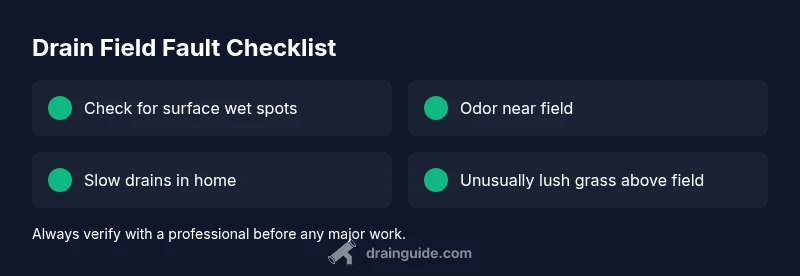
Widespread wastewater backups, soggy patches or a foul odor near the septic area, and unusually green, lush grass above the drain field are the most common signs of drain field failure. Quick checks: observe for slow drains, surface wet areas, and gurgling sounds in plumbing; limit water use and avoid irrigation until a pro inspects. If symptoms persist, contact a licensed specialist promptly.
How to tell if drain field is failing: quick context and what to look for
In this guide on how to tell if drain field is failing, we start with the big-picture basics: your drain field is the final stage of a septic system where used water disperses into the soil. When the field starts to fail, the soil can no longer absorb water efficiently, leading to backups and surface issues. According to Drain Guide, recognizing early warning signs can save you from costly repairs and environmental damage. The goal is to catch symptoms early, confirm they stem from the drain field, and plan a safe, effective response. This section sets the stage for practical checks you can perform as a homeowner without specialized equipment. Remember: every home and soil condition is different, so use signs in combination rather than in isolation.
Common signs that your drain field may be failing
- Slow draining fixtures and backups in toilets or sinks.
- Wet spots or puddles, particularly in the yard over or near the drain area.
- A strong, rotten-egg odor near the drain field, septic tank, or vents.
- Lush, green patches or unusually tall grass over the leach field compared with surrounding areas.
- Gurgling noises in plumbing or a rise in the water level in the septic tank.
- Increased frequency of pumping or short intervals between pumping might also indicate field stress.
These signs often indicate the soil can no longer absorb wastewater quickly enough, which may point to a failing drain field. Use a multi-factor approach: pair ground symptoms with house-side indicators. If you notice several of these together, plan an inspection soon.
Why drain fields fail: the main culprits and contributing factors
Drain field failure is usually caused by a combination of physical damage, aging, and environmental stress. Common culprits include soil compaction from heavy equipment or heavy foot traffic over the field, tree roots invading pipes, poor septic maintenance, and prolonged saturation from rainfall or irrigation. Other contributors are excessive water use, especially during the first year after installation, and fatty or inappropriate waste entering the system. Understanding these causes helps homeowners target prevention and plan fixes. Drain Guide analysis emphasizes that prevention is more cost-effective than reactive replacement, and proactive maintenance dramatically extends field life when feasible.
How to differentiate drain field problems from other septic system issues
Not every septic symptom means the drain field is failing. A slow drain can come from a clogged pipe, a full septic tank, or a blocked distribution box. To separate issues, start with the septic tank: if pumping is overdue or the tank is showing high solids, address that first. If the tank is clean and the house still backs up, the problem likely lies with the drain field or its distribution network. Environmental signs (wet ground with odor, persistent lushness) strongly suggest the field itself, especially when combined with house-side symptoms. A professional assessment is advised to confirm the diagnosis and to design a safe remediation plan.
Step-by-step diagnostic workflow you can follow (symptom → diagnosis → solutions)
- Document symptoms: time, location, and recent rainfall; 2) Check for backups in fixtures and sewage odors inside the home; 3) Inspect the outdoor drain field area for wet spots, odors, or lush vegetation; 4) Check the septic tank and risers for access and pumping history; 5) If the tank is recently pumped and symptoms persist, suspect the field; 6) Engage a licensed septic professional for testing (including soil percolation tests and pressure tests) and to determine if repair or replacement is needed. These steps help you build a case for the next actions and protect your home and the environment.
Immediate actions you should take if you suspect drain field failure
- Minimize water use across the home to reduce load on the field until assessed. Do not spray lawns or irrigation over the drain field area. Avoid driving or heavy foot traffic on or near the leach area.
- Do not attempt to dig or excavate near the septic components unless you are certain of the location and safety; expose yourself to sewage exposure and soil contamination risks.
- If there is sewage backup indoors, shut off the main sewer line if safe and contact a licensed professional immediately. Documentation of recent pumping or maintenance helps the pro diagnose the issue faster.
Long-term fixes and prevention: planning for the future
If the drain field has degraded, a licensed professional will determine whether repair is feasible or replacement is required. Common repairs include repairing damaged pipes, re-compaction of soil, or relocating lines to a healthier area of soil with better permeability. Prevention strategies focus on reducing nutrient and fat load to the system, installing proper landscaping to avoid root intrusion, and ensuring proper septic pumping intervals. Routine inspections, careful water management, and mindful disposal of waste reduce the risk of future failures. Drain Guide recommends keeping maintenance logs and scheduling regular professional inspections as a core preventive measure.
When replacement becomes necessary and how to plan for it
Replacement is usually considered when the drain field has failed beyond repair or the soil can no longer support a functional leach field. Costs vary by size, soil conditions, and local labor, so discuss options with a licensed contractor who can provide a detailed estimate. In some cases, a new drainage solution (such as a mound system or alternative absorption field) might be more suitable for your site. Planning should include a realistic budget, permit considerations, and a contingency plan for disruption during installation. Drain Guide suggests getting multiple quotes and verifying each contractor’s licensing and past project references.
Steps
Estimated time: 60-120 minutes
- 1
Assess safety and shut off nonessential water use
Before you start, turn off irrigation and avoid running appliances too aggressively. This reduces load on the field while you inspect. If you smell strong sewage, leave the area and seek professional help.
Tip: Document current symptoms and any odor for your pro. - 2
Check for surface signs in the drain field area
Walk the area around the suspected field. Look for wet, spongy soil, lush vegetation, or standing water. Take photos and note time after rainfall to see if conditions worsen with weather changes.
Tip: Note the exact locations of wet spots to guide professionals. - 3
Inspect indoor indicators of a field problem
Run a few faucets briefly to observe slow drainage patterns. If multiple fixtures are slow, but the septic tank is functioning normally, the field is more likely involved.
Tip: Check the septic tank access ports for recent pumping history. - 4
Confirm with a professional assessment
Schedule a licensed septic system contractor to perform soil percolation tests, a dye test, and pressure tests on lines and distribution components. They may recommend trench repairs or a field replacement depending on results.
Tip: Ask for a detailed written plan and warranty terms. - 5
Implement immediate remediation steps
Follow professional recommendations, which may include pumping, repairing lines, or adjusting landscaping. Do not DIY major repairs or trench work.
Tip: Maintain a maintenance log and set reminders for future inspections. - 6
Develop a long-term maintenance plan
Establish regular pumping intervals, avoid flushing non-degradables, and monitor the system post-repair. Invest in root-control strategies and soil-friendly landscaping to protect the field.
Tip: Keep a spare filter and cleaning kit to avoid accidental contamination.
Diagnosis: Household wastewater backups and yard wet spots near drain field
Possible Causes
- highSoil saturation or poor soil permeability
- mediumSeptic tank overloading or failure to pump
- lowPhysical damage or root intrusion in the drain lines
Fixes
- easyLimit water use and avoid irrigation or heavy loads until inspected
- easySchedule professional septic pumping and field assessment
- hardRepair or replace damaged lines or install a new field if required
Got Questions?
What are the early signs of drain field failure?
Early signs include persistent wet soil near the drain field, odors, slow drains inside the home, and unusually lush vegetation above the field. If several signs appear together, it’s time to call a professional for a formal assessment.
Look for wet soil near the drain field, foul smells, and slow drains. If several signs appear, get a professional assessment.
How long does a drain field typically last?
A drain field’s lifespan varies by soil, usage, and maintenance, but many fields last 20 to 30 years with proper care. Ongoing maintenance and avoiding overloading the system can extend life.
Drain fields often last a couple of decades with good maintenance, though soil and usage matter a lot.
Can you fix a failing drain field without replacement?
Sometimes a failing field can be repaired by repairing damaged pipes, improving soil conditions, or relocating lines. In many cases, replacement is required when the field has degraded beyond repair.
Sometimes repairs are possible, but often replacement is needed when the field has deteriorated.
How much does drain field replacement cost?
Costs vary widely based on site conditions, soil, and local rates. Expect a professional estimate after assessment; you’ll typically see ranges rather than exact prices until a plan is finalized.
Costs depend on site conditions and local rates. Get a detailed estimate after assessment.
Is it safe to use the septic system during suspected failure?
It’s best to minimize usage and avoid heavy loads while waiting for assessment. If backups occur, stop using fixtures and contact a professional immediately to prevent contamination.
Minimize use and avoid backups; call a pro if backups occur.
What maintenance prevents drain field failure?
Regular pumping according to local recommendations, careful disposal of fats and chemicals, and routine inspections are key. Keep trees away from the field and monitor soil moisture levels after rainfall or irrigation.
Keep up with pumping, avoid flushing inappropriate materials, and inspect regularly.
Watch Video
The Essentials
- Look for multiple symptoms before assuming field failure.
- Differentiate field problems from tank issues with a professional assessment.
- Limit water use early to avoid aggravating the field condition.
- Plan for replacement only after a thorough professional evaluation.