How Much Does It Cost to Drain a Septic Tank in 2026?
Discover the typical costs to drain a septic tank, what drives price differences, and how to budget for pumping, cleaning, and inspections in 2026.


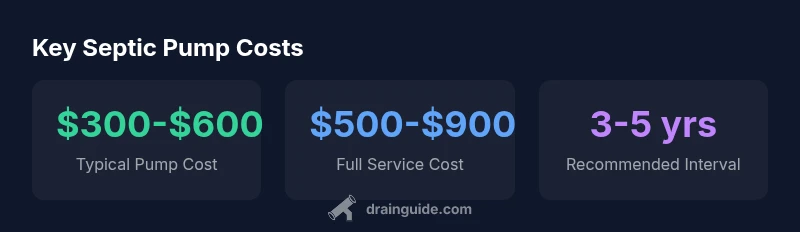
The cost to drain a septic tank typically falls in the $300 to $600 range, with larger tanks or hard-to-reach systems pushing toward $800. Pumping alone costs less than a full cleaning, while adding inspection, liner, or line jetting can raise the total. Prices vary by soil conditions, local rates, and service frequency.
How much does it cost to drain a septic tank
Understanding the price to drain a septic tank begins with recognizing what pumping involves and what can influence the bill. At its core, pumping removes accumulated sludge and scum from the tank to restore proper flow and prevent backups. The price you pay is driven by the tank’s size, accessibility, and the services bundled with pumping. For most single-family homes, the baseline cost sits in the hundreds of dollars, but a surprising mix of variables can nudge the total higher or lower. When you budget, think in terms of a base pumping charge plus optional add-ons. Regionally, disposal fees at wastewater facilities, travel time for the technician, and seasonal demand can all swing the final figure. This is why getting several written estimates that itemize each component helps homeowners compare apples to apples. In 2026, the typical range remains in the few hundred dollars, with larger or more complex tanks often exceeding that range.
What drives septic pumping costs
Several factors determine the final bill. Tank size matters because larger tanks require more sludge removal and longer pumping times. Accessibility is a practical hurdle: buried lids, tight crawl spaces, or a tank located far from the road increase labor and equipment needs. Regional labor costs and travel fees also play a role, with rural areas sometimes charging more for on-site work and urban markets commanding higher hourly rates. The service package you select matters as well: pumping alone is the least expensive, while including cleaning, inspection of internal components, and baffle checks adds significant value but higher price. Optional add-ons such as jetting lines to clear clogs, dye tests for leaks, or valve checks can push costs higher. Seasonal demand can elevate prices during peak scheduling periods as well.
What a pumping-only vs full-service package includes
Most homeowners can choose between pumping-only and full-service packages. A pumping-only visit focuses on removing sludge and liquids from the tank, with a basic disposal fee and a standard backup check. Expect to see a lower price but fewer insights about tank condition. A full-service pumping and cleaning package adds a closer look at internal components, such as the inlet and outlet baffles, and may include an effluent level check and basic odor control. In some markets, a licensed pro will perform a camera inspection or jet the lines to remove stubborn buildup. These enhancements help prevent premature failures and can extend the interval between pumpings, potentially saving money over the long run. Always confirm exactly what’s included in the quote; ask for a written itemized breakdown showing pumping, inspection, disposal, and any travel or permit fees.
How tank size and access influence the price
Tank size is usually the most visible driver of cost. A typical residential tank ranges from 1,000 to 1,500 gallons, but some homes feed smaller or larger units. Larger tanks require more pump time and extra effort to remove sludge, which translates into higher labor hours. Access can double or triple costs if the lid is buried, the lid location is difficult to reach, or the tank is located underneath a structure or heavy equipment. In those cases, service technicians may need extra safety measures, scaffolding, or ground protection to avoid damage. If a tank has not been pumped for many years, sludge layers can be unusually thick and may require staged pumping, increasing both time and waste disposal fees. Ask the contractor about their estimated number of passes and whether they include the disposal of wastewater in the quoted price.
Common add-ons and their impact on total cost
Add-ons can swing the final price, even when the same pumping base is performed. A standard inspection may be included or priced separately; a more thorough check can identify compromised baffles, cracks, or venting issues. Jetting lines to remove stubborn buildup adds labor and water usage charges. Some customers opt for dye tests to detect leaks or drain-field issues, which can increase the bill but prevent costly future problems. If the contractor removes and replaces a damaged lid or manhole cover, you’ll see a materials charge on top of labor. Finally, disposal costs at the local wastewater facility may appear as a pass-through line item depending on the local rules. Request a copy of the disposal slip and confirm whether the price includes wastewater treatment charges. Being clear about what’s included helps you avoid unexpected line items on the final invoice.
Budgeting and planning your septic pumping schedule
To budget effectively, start with a baseline estimate for pumping and add a contingency for add-ons. Most households plan on pumping every 3-5 years, depending on tank size, household water use, and whether grease or flushable products are properly managed. Create a wallet-friendly plan by obtaining at least three quotes and asking each contractor to itemize the same components: pumping, disposal, inspection, travel, and any extras. If you prefer a single annual budget item, consider a multi-year maintenance fund, especially for homes with older septic systems that may need more frequent attention. Some homeowners find it helpful to set aside 1-2% of their home value per year for major septic system work; others budget on a per-visit basis. Regardless of the method, track the actual costs after each service to refine future estimates and avoid sticker shock.
How to vet and select a contractor
Choosing a contractor for septic pumping should prioritize licensing, insurance, and local references. Start by checking state or provincial licensing requirements and verify that the company carries adequate liability coverage and workers’ compensation. Ask potential providers for recent invoices to understand their pricing structure and transparency. Request written estimates that include scope of work, pump time, disposal fees, and any required permits. Look for technicians who explain the process in plain language, answer questions about tank age and maintenance, and provide a clear timeline. It’s worth asking about equipment and safety practices, including how they protect landscaping and avoid soil compaction when accessing buried lids. Finally, compare not only price but the contractor’s willingness to offer maintenance guidance and a service schedule tailored to your tank’s needs, which can reduce long-term costs.
Ways to reduce your pumping bill without risking your system
Smart maintenance practices can reduce pumping frequency and keep costs predictable. Split long-term budgeting into predictable maintenance windows, such as scheduling a pump every 3-5 years and timing the visit for off-peak seasons when rates may be lower. Use water efficiently in households—fix leaks, install efficient appliances, and avoid disposing of non-biodegradable items that can clog the tank. A regular septic tank inspection can catch minor issues before they require expensive repairs. Ask your pro to review your home’s drain-field condition and offer guidance on improving soil absorption through landscape adjustments rather than over-pumping. If your tank hasn’t been pumped in many years, consider a comprehensive evaluation that includes line jetting and baffle checks; this upfront investment can prevent multiple future visits.
What happens after pumping and next steps
After pumping, you’ll typically receive a completion report describing the tank’s condition and any issues found. The effluent quality should return to normal after sludge removal, and homeowners can resume normal water use but should avoid flushable wipes or grease disposal for a period. Keep a record of the service date, tank size, and the recommended pumping interval; this data helps you plan future budgets. If your tank was inspected for internal damage or line integrity, the technician will communicate any needed repairs or future maintenance steps. At the end of the day, the goal is to maintain a functional septic system and avoid costly back-ups. If you notice gurgling sounds, slow drains, or odors after pumping, contact your provider to discuss a follow-up check or a site visit.
Cost ranges by service type for septic pumping
| Service Type | Typical Cost | What’s Included |
|---|---|---|
| Pumping only | 300-600 | Septic tank pumping, remove sludge, odor control |
| Pumping + cleaning & inspection | 500-900 | Pumping, cleaning, tank inspection, baffle check, effluent testing (where available) |
| Repairs or linejetting | 400-1200 | Repair or clean pipes, jetting to break clogs; cost varies widely |
| Access & site prep fees | 100-500 | Access requires excavation, long-distance haul, permit or disposal fees |
Got Questions?
What is the typical cost to pump a septic tank?
Most homes pay between $300 and $600 for pumping. Larger tanks or tricky access may push toward $800. Always compare quotes that itemize pumping, disposal, and any add-ons.
Most homes pay three to six hundred dollars for septic pumping, with higher prices for large tanks or hard-to-reach locations.
Does pumping include inspection and baffle checks?
Pumping often includes a basic backup check, but full-service packages may add tank inspection, baffle checks, and sometimes dye tests or camera inspections.
Pumping may include a basic check; full-service often adds inspection and baffle checks.
What factors affect cost besides tank size?
Access difficulty, regional labor rates, and optional add-ons like jetting, leaks tests, or disposal fees can all alter the final price.
Access and add-ons can change the price a lot.
How often should I pump my septic tank?
Most homes pump every 3-5 years, depending on tank size, household water use, and waste disposal habits.
Many homes pump every 3 to 5 years.
Can I negotiate price or get discounts?
Yes. Get several quotes and ask about bundled services or off-peak scheduling to improve value.
Yes—get multiple quotes and ask about bundled services.
Are there safety or environmental concerns I should know?
Always hire a licensed pro to handle disposal and avoid DIY pumping. Proper disposal protects the environment and your health.
Always hire a licensed pro; don’t pump septic tanks yourself.
“"Regular maintenance and proactive scheduling help keep septic costs predictable over time."”
The Essentials
- Obtain multiple quotes to compare pricing components
- Tank size and site access are major price drivers
- Pumping every 3-5 years is a common maintenance window
- Ask for an itemized estimate with all add-ons listed
- Budget for regional disposal and travel fees