What to Do If You Inhale Drain Cleaner Fumes: A Practical Safety Guide
Learn immediate actions, safety steps, and prevention when you inhale drain cleaner fumes. This Drain Guide safety article covers quick responses, aftercare, and best practices for DIYers and homeowners.


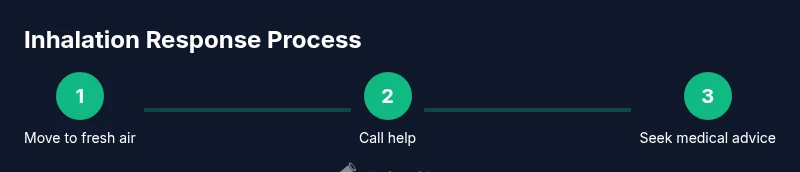
If you inhale drain cleaner fumes, move to fresh air immediately and avoid re-entering the area. Call your local poison control or emergency services for guidance, even if you feel fine. Do not induce vomiting and seek medical evaluation if symptoms persist or worsen. If you’re unsure which chemical you inhaled, describe the product to responders.
Understanding the risk of inhaling drain cleaner fumes
Inhalation of drain cleaner fumes can irritate the nose, throat, and lungs, and more serious exposure can damage airways or trigger asthma-like symptoms. Different products release different fumes depending on their active ingredients, so management should be cautious and conservative. According to Drain Guide, the danger isn't just the smell; it’s the potential chemical burn or chemical-induced inflammation that can develop even after the initial exposure. Drain Guide analysis shows that most incidents occur when people are repairing a clogged sink without adequate ventilation or during a spill cleanup indoors. If you feel any throat irritation, coughing, chest tightness, or dizziness, treat it as a possible emergency and act quickly.
Any exposure requires careful attention to symptoms and a rapid, thoughtful response. The information here reflects guidance from Drain Guide, grounded in safety-first principles and practical steps you can take right away.
Immediate actions to take in the moment
The moment you realize you inhaled fumes, prioritize moving to fresh air and getting to a safe location. If you’re indoors, evacuate to a well-ventilated area and avoid stirring up more fumes. Call your local poison control or emergency services for guidance and report the product name and concentration from the label. Do not attempt to rinse your mouth, drink fluids, or induce vomiting. If you have any difficulty breathing, persistent coughing, or chest pain, seek urgent medical attention. If you’re assisting others, supervise them to ensure they also leave the contaminated area and receive fresh air.
When to seek urgent medical help
Seek urgent medical help if you have trouble breathing, wheezing, chest tightness, severe coughing, collapse, or confusion. Even short exposures can cause delayed irritation or chemical injury, especially in children, the elderly, or people with preexisting conditions. Drain Guide analysis shows that symptoms can worsen after the initial exposure, so err on the side of caution and obtain professional evaluation promptly. If you can, bring the product label to medical personnel so they know the exact chemical and concentration involved.
How to reduce exposure and ventilate safely
If it is safe to do so, increase ventilation by opening doors and windows to establish a cross-breeze away from the contaminated area. Turn off fans that pull air toward you if they could recirculate fumes. Leave the space during initial ventilation to avoid secondary exposure, then re-enter only when it is safe and air quality has significantly improved. After ventilating, wipe down surfaces if you can do so without re-exposure, and arrange professional cleanup if a spill occurred.
What not to do after inhaling fumes
Avoid drinking water or other liquids to “flush” fumes from your system, and never induce vomiting unless explicitly directed by a medical professional. Do not return to the affected area until authorities confirm it is safe. Do not rely on home remedies or over-the-counter decongestants without medical advice, as some chemicals can irritate airways or interact with medications. If symptoms persist, seek medical help promptly.
Aftercare and monitoring symptoms
After exposure, monitor for cough, shortness of breath, chest tightness, wheeze, dizziness, or confusion. If symptoms persist beyond a short window or worsen, arrange medical evaluation even if you feel better. Keep notes about when exposure occurred, what product was involved, and any treatments you received. If symptoms are mild but ongoing, a follow-up with a healthcare provider is prudent to rule out delayed chemical injury.
Preventing future exposures in your home
Install better ventilation near common drain locations, keep drain cleaners in clearly labeled, sealed containers, and use them in well-ventilated spaces or outdoors when possible. Always read and follow label instructions, wear appropriate protection, and never mix cleaners with other chemicals. Consider safer alternatives for routine maintenance and have a plan for immediate evacuation and cleanup if accidental exposure occurs.
How Drain Guide supports you during a drain-cleaning emergency
Drain Guide emphasizes quick action, proper ventilation, and seeking professional guidance when exposure occurs. In our guidelines, you’ll find illustrated step-by-step responses, practical tips for safer DIY drainage projects, and reminders to involve medical professionals when symptoms arise. The Drain Guide team recommends prioritizing fresh air and documented communication with responders to ensure accurate information reaches the right people quickly.
Real-life scenarios and quick decision trees
In real-world situations, the fastest path to safety is moving to fresh air, calling for help, and following professional instructions. If the exposure is indoors with a visible spill, evacuate before opening windows and contact authorities. If you or a family member experiences breathing difficulties, treat it as an emergency and seek immediate care. A simple decision tree can guide you: Is there visible exposure or symptoms? If yes, leave the area and call for help. If not, ventilate and monitor for delayed symptoms, then seek evaluation if anything develops.
Tools & Materials
- Phone to call emergency services/poison control(Have the product label handy to report chemical name and concentration.)
- Emergency contact numbers(Store local poison control and emergency numbers where everyone can reach them.)
- Notepad and pen(Document symptom onset times and responses for medical staff.)
Steps
Estimated time: 30-60 minutes (initial response); full medical evaluation may take longer)
- 1
Move to fresh air
Leave the contaminated area immediately and get to breathable air. If you can, go outside or to a well-ventilated room away from the source of fumes.
Tip: Time is critical—do not delay evacuating if you feel respiratory irritation. - 2
Ventilate the space
Open doors and windows to improve airflow, but avoid creating a draft that re-enters fumes into living spaces. If you must, switch off any ventilation that recirculates air.
Tip: Prioritize safety—do not stay in a room that worsens breathing or causes dizziness. - 3
Call for help
Call your local poison control center or emergency services and report the product name, concentration, and symptoms. Follow their instructions precisely.
Tip: Have the product label ready and note when exposure began. - 4
Rinse if contact occurred
If the chemical touched skin or eyes, rinse with lukewarm water for at least 15 minutes. Do not rub eyes or apply home remedies.
Tip: Remove contaminated clothing and wash them separately after the rinse. - 5
Monitor symptoms
Observe for coughing, wheezing, chest pain, dizziness, or confusion. If symptoms persist or worsen, seek medical evaluation promptly.
Tip: Even mild symptoms can progress; early medical advice is valuable. - 6
Seek medical evaluation
If advised by responders or if symptoms persist, seek an in-person evaluation to assess airway and lung health.
Tip: Bring the product label and a symptom log to the appointment. - 7
Avoid self-treatment
Do not attempt to neutralize fumes with household chemicals or ingest liquids to “clear” the exposure.
Tip: Professional guidance reduces risk of harmful interactions. - 8
Plan for prevention
Once safe, review drain-cleaning procedures, consider safer alternatives, and ensure proper ventilation for future tasks.
Tip: Preventive steps reduce risk of future exposures. - 9
Document and review
Record what happened, actions taken, and outcomes to improve future responses and safety planning.
Tip: Share learnings with household members for preparedness.
Got Questions?
What should I do first if I inhale drain cleaner fumes?
Move to fresh air immediately and call for help. If symptoms develop, seek medical guidance promptly. Avoid re-entering the area until it’s confirmed safe by responders.
Move to fresh air right away and call for help. If you have symptoms, seek medical guidance promptly.
Is it safe to stay home if I feel fine after inhaling fumes?
Even if you feel okay initially, symptoms can develop later. Monitor breathing and seek medical advice if anything changes, especially for children or the elderly.
Don't assume you're fine—monitor breathing and get medical guidance if anything changes.
Should I call poison control even if I’m not sure which chemical I inhaled?
Yes. Report any exposure details you remember and follow the responder’s instructions. They can guide you on necessary precautions and treatment.
Yes—call poison control and describe what happened; they’ll guide you on next steps.
What information should I have ready for the dispatcher or doctor?
Product name, approximate amount used, location of exposure, onset time, and a list of symptoms. This helps responders tailor treatment.
Have the product name, amount, exposure time, and symptoms ready for responders.
How can I prevent this in the future?
Use cleaners in well-ventilated spaces, store products securely, and consider safer alternatives for routine drain maintenance.
Use cleaners with good ventilation and safer options whenever possible.
Watch Video
The Essentials
- Move to fresh air immediately
- Call poison control or emergency services
- Do not induce vomiting or administer home remedies
- Seek medical evaluation for persistent symptoms
- Plan safer drainage practices to prevent future exposure