Drain Fly Trap: A Practical DIY Guide for Homeowners
Learn how to trap drain flies and prevent re-infestation with proven traps, correct placement, and simple maintenance for kitchen and bathroom drains.


This guide shows you how to stop drain flies by using proven traps, proper placement, and maintenance routines. You’ll learn how to choose and set up bait traps and sticky traps, position them near the drain without blockages, refresh attractants, and verify reductions safely—so you can reclaim a cleaner, pest-free kitchen and bathroom.
What drain flies are and how traps work
Drain flies, often called sewer gnats, are small moth-like insects with fuzzy bodies that breed in the organic film inside drains. They thrive in warm, damp environments with decaying matter such as hair, soap scum, and food debris. The eggs hatch into larvae that feed on this film, producing a rapid population if the drain is undisturbed. A trap works by either luring adults with an attractant or by physically catching them as they emerge from breeding sites. According to Drain Guide, prevention is as important as trapping: traps work best when used as part of a broader sanitation plan. By combining traps with routine drain cleaning, you interrupt the life cycle and reduce visible swarms. When you set up a trap, place it near the drain opening or downstream along the pipe where adults move. Sticky traps catch adults who are drawn to the moist surface, while bait traps lure adults with fermenting liquids. For DIY homeowners, understanding the biology of drain flies helps you choose the right trap type and timing.
Trap types and when to use them
There are several trap types that work well for drain flies, and choosing the right one depends on your situation. Sticky traps are inexpensive, easy to deploy, and ideal for monitoring activity around the drain opening. Bait or fermenting-liquid traps attract adults that hover near moist surfaces; they’re most effective when you can replenish attractants every few days. UV-light traps exist, but many experts find them less effective for indoor drain fly control because the light draws a broad range of insects, not just drain flies. A combined approach often yields the best results: place sticky traps near the drain to capture emerging adults, and use bait traps to attract and trap others that venture nearby. Drain Guide analyses suggest integrating traps with consistent sanitation for best outcomes. Remember, traps alone won’t solve a breeding site problem; you must remove organic accumulation in the drain itself.
Placement strategies and best practices
Placement is critical for trap effectiveness. Position sticky traps right at the drain lip or just inside the drain opening where the flies emerge. For downstream bait traps, locate them along the pipe run or in the bathroom/kitchen vicinity where moisture and debris accumulate. If you have multiple drains (kitchen sink, bathroom sink, floor drain), set up at least one monitor trap per drain and two bait traps per high-traffic area. Keep traps away from heat sources and direct sunlight, which can reduce adhesive performance. Label traps or use a color-coded system to track which drains are most active. Consistency matters: replace attractants and sticky traps as recommended by the product instructions, and maintain a routine cleaning schedule to minimize breeding sites. Drain Guide’s field guidance emphasizes that traps work best when paired with ongoing sanitation.
Cleaning, sanitation, and prevention to reduce re-infestation
Preventing re-infestation requires more than trapping. Start with thorough cleaning: remove hair, soap scum, and organic gunk from the drain and trap area using a stiff brush and hot water. Rinse with boiling water or a drain-safe enzymatic cleaner to break down organic films that harbor larvae. Address moisture sources—fix leaks, improve ventilation, and reduce standing water. Periodically inspect traps and the drain area for signs of new activity and reapply attractants as needed. Consider a routine monthly maintenance plan that includes flushing drains with hot water and running disposal-safe cleaners down kitchen drains. Drain Guide’s conclusions highlight that a combined approach—traps plus sanitation—delivers lasting relief.
Troubleshooting and when to escalate
If you continue to see live drain flies after several weeks of trapping and cleaning, you may have a persistent breeding site or multiple entry points. Check for hidden build-up in drain traps, P-traps, or sewer lines, and consider using a enzymatic cleaner to digest stubborn organic debris. If infestation persists after a thorough home treatment, it may be time to consult a licensed plumber who can assess plumbing vents, cracked pipes, or broader sewer line issues. Always follow safety guidelines when using any chemical cleaners and keep children and pets away from treated areas. Drain Guide recommends documenting infestations with photos and noting dates you deployed traps to help professionals diagnose the problem faster.
Tools & Materials
- Sticky traps or trap cards(Place near drain openings; choose unscented if possible)
- Bait attractants (yeast-sugar solution or vinegar-based mix)(Refresh every 3-5 days during active periods)
- Small jars or containers for bait traps(Clear containers help monitor activity)
- Gloves(Disposable or reusable, for hygiene)
- Scrub brush and hot water(For manual drain cleaning)
- Enzymatic drain cleaner (optional)(Use per label; avoid combining with caustic cleaners)
- Flashlight(Inspect hard-to-see areas under sinks)
- Mask or eye protection(Optional, when applying cleaners)
Steps
Estimated time: 45-60 minutes
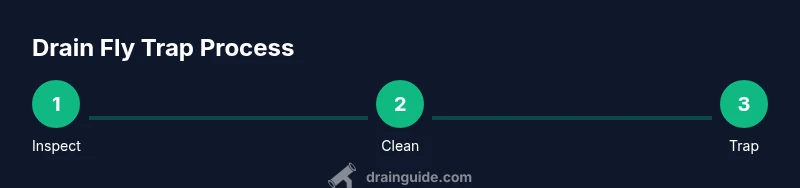
- 1
Inspect drains and identify hotspots
Begin with a visual inspection of all drain sites: kitchen, bathroom, utility sinks, and floor drains. Look for slime, gunk, or visible larvae, and note any unusual odors. Understanding where flies congregate helps tailor the trap setup.
Tip: Mark each drain with a color sticker to track activity over time. - 2
Clean the drains thoroughly
Put on gloves and scrub the drain openings with a stiff brush, using hot water to dislodge film and hair. If available, flush with an enzymatic cleaner or boiling water to dissolve organic matter.
Tip: Run hot water for 30-60 seconds after cleaning to clear residual debris. - 3
Set sticky traps at the drain lips
Place sticky traps right at the drain opening or inside the first inch of the pipe to capture emerging adults. Ensure the traps lie flat against the surface for maximum contact.
Tip: Keep traps away from the spray zone of cleaners to maintain adhesive effectiveness. - 4
Prepare and deploy bait traps
Mix a simple attractant (sugar with warm water or apple cider vinegar with a pinch of sugar) in a small container. Run a small hole in the lid to let flies access the bait, and place downstream of the main trap area.
Tip: Use multiple containers if you have several drains; rotate positions every 2-3 days. - 5
Monitor and refresh attractants
Check traps daily during peak activity. Replace bait every 3-5 days and refresh sticky traps as their adhesive degrades.
Tip: Label each trap with date of placement to track effectiveness. - 6
Evaluate results and adjust
After 2-3 weeks, review trap captures and sanitation results. If activity remains high, extend cleaning, check for hidden breeding sites, and consider professional assessment.
Tip: Keep a small log of numbers captured to gauge progress over time.
Got Questions?
What attracts drain flies to my home, and how do traps help?
Drain flies are drawn to moist organic matter; traps capture or lure adults, reducing population while sanitation stops breeding. Traps are most effective when used alongside regular drain cleaning.
Drain flies are attracted to moist film in drains. Traps capture adults and, with cleaning, prevent more from breeding.
How long before I see results after setting traps?
Results typically appear within days to a couple of weeks, but persistent breeding sites can extend this timeline. Combine traps with cleaning to speed up progress.
You should start noticing fewer flies within a week or two if you clean drains and maintain traps.
Can drain flies be controlled without chemicals?
Yes. Regular cleaning, proper trapping, and moisture control can significantly reduce populations without harsh chemicals. Enzymatic cleaners can help remove organic films.
Yes, with good cleaning and traps you can reduce them without strong chemicals.
Are homemade traps effective long-term?
Homemade traps can work for initial control and monitoring but may be less consistent than commercial traps. Use them as a supplement to sanitary practices.
They can help at first, but for steady results, pair them with proper sanitation.
How often should traps be replaced?
Sticky traps should be replaced when they lose adhesive; bait traps should be refreshed every few days during high activity. Keep a log to track effectiveness.
Replace sticky traps when they lose stickiness; refresh bait every few days during peak activity.
When is it time to contact a professional?
If infestation persists after several weeks of thorough cleaning and trapping, or if you suspect sewer line issues, professional assessment is advised.
If you still see flies after weeks of trapping and cleaning, call a plumber for a deeper check.
Watch Video
The Essentials
- Identify breeding sites and act quickly.
- Combine traps with regular drain cleaning for best results.
- Monitor progress and adjust placement as needed.
- Sanitation prevents re-infestation and reduces maintenance.
- Escalate to a professional if drains remain infested.