Is It Drain Flies or Gnats? A Practical Comparison for Homeowners
Meta description: Compare drain flies and gnats to identify issues, understand habitats, and apply targeted DIY prevention and control strategies for a cleaner home.


If you’re asking is it drain flies or gnats, the culprit often hinges on where you see them and how they behave. Drain flies are small, moth-like insects frequently found near sinks, drains, and sewer lines, with hairy wings and a resting posture that mimics tiny moths. Gnats are a broader category of tiny, slender flies that typically originate from damp soil in houseplants or overripe fruit. In most homes, a drain- or moisture-centered issue points to drain flies, while plant-based moisture issues point to gnats. Drain Guide emphasizes starting with the likely breeding source and treating that site first for faster, lasting relief.
Is it Drain Flies or Gnats? Understanding the Basics
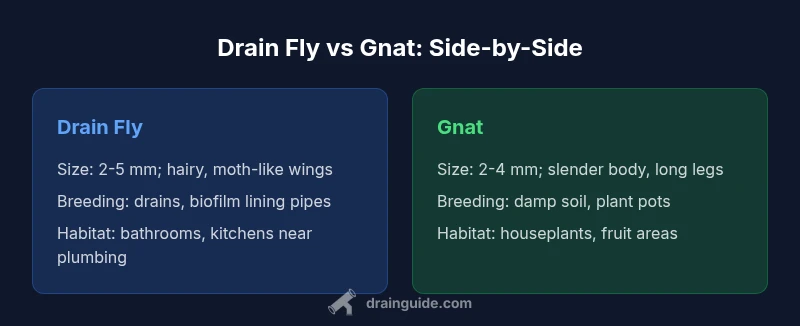
The question is often summarized as a practical riddle: is it drain flies or gnats? The most reliable starting point is to distinguish their typical habitats and appearance. Drain flies, commonly called moth flies, belong to the Psychodidae family. They are tiny, about 2-5 mm, with furry, moth-like wings that they hold tent-like over their bodies when at rest. Gnats, by contrast, are a broad group of very small flies (about 2-4 mm) with slender bodies and longer legs. They include fungus gnats, fruit flies, and some shore-dwelling gnats. The Drain Guide team notes that identification matters because misidentifying pests can lead to ineffective control methods and wasted time. If you trace the problem to a sink, drain, or sewer line, you’re more likely dealing with drain flies; if the issue centers on damp soil or plant pots, it’s more likely gnats. As you start diagnosing, keep a simple question in mind: where is the breeding source located?
Visual Clues: How to Tell Them Apart
When you need to answer is it drain flies or gnats, the visual evidence is your strongest guide. Drain flies typically rest with their wings held roof-like over their bodies, appearing fuzzy or moth-like under light. They are often found hovering near drains, bathrooms, or kitchen piping. Gnats have slender bodies, clear or dark wings, and a more darting flight pattern; they tend to swarm around potted plants, fruit bowls, or composting areas. Behavior also helps: drain flies linger near moist, organic film in drains, while gnats are drawn to moist soil and decaying fruit. Capturing a photo for quick comparison can help you verify the species later with a simple reference guide. In short, is it drain flies or gnats? Start with where the insects congregate and how their wings look at rest.
Biology, Life Cycle, and Brief Behavior
Understanding biology helps answer is it drain flies or gnats more precisely. Drain flies reproduce in the organic buildup that lines drains, pipes, and sewer lines. Their life cycle can complete in a couple of weeks under optimal conditions, leading to rapid population growth if the breeding site isn’t addressed. Gnats reproduce in moisture-rich soils, damp potting mix, and decaying organic material. Fungus gnats, in particular, thrive in overwatered houseplants, where the larvae feed on fungal growth. Because their life stages are tied to moisture, a simple moisture audit of your home—especially in kitchens, bathrooms, and plant areas—can reveal the most likely offender. When you ask is it drain flies or gnats, remember: drains point to drain flies; plants to gnats. Drain Guide emphasizes inspecting the most humid spots first and logging where you observe larvae or eggs.
Habitats and Breeding Sites: Drains, Soil, Plants
To resolve the question is it drain flies or gnats, map each candidate breeding site. Drain flies breed in organic slime within drain traps, catch basins, and sewer lines. They prefer dim, damp environments where a film accumulates and food particles remain. Fungus gnats breed in the damp soil of potted plants and in moist organic material like compost near indoor plantings. Fruit flies, another common gnat, thrive near ripe fruit and residues. A quick field check: if you find a lot of small moth-like insects around the sink, you may be dealing with drain flies; if the insects cluster around plant pots or fruit bowls, gnats are more likely the culprit. Drain Guide recommends a two-pronged approach: sanitize drains and adjust plant care—watering practices—to break the life cycle.
Seasonal Patterns and When You See Them Most
Seasonality can help answer is it drain flies or gnats. Drain flies often peak in warmer months when indoor moisture is highest, and when plumbing lines contain organic deposits that warm water can mobilize. Gnats, especially fungus gnats, tend to surge during periods of plant growth or after periods of heavy watering. Fruit fly fluctuations generally align with fruit availability and kitchen waste management. Keeping an eye on moisture levels and food residues throughout the year helps you predict when is it drain flies or gnats more likely to appear and tailor preventative steps accordingly. Drain Guide notes that proactive sanitation reduces hatch rates more effectively than reactive treatments.
Quick Identification Checklist You Can Use Today
If you want to answer is it drain flies or gnats quickly, use this at-home checklist. First, examine the wings: moth-like, hairy wings suggest drain flies; slender, clear wings point to gnats. Second, trace the breeding site: is there a persistent film in the drain or pipe areas? If so, drain flies are likely. Third, observe the flight: do they hover near drains or crash into plants? Fourth, consider the plant environment: damp soil and moss around pots suggest gnats. Fifth, look for larvae: pale maggots in standing water or in damp plant soil indicate different life stages and species. With these steps, you’ll be closer to answering is it drain flies or gnats and can target your control efforts more effectively.
Distinguishing Between Drains and Plants: A Practical Approach
A practical approach to determine is it drain flies or gnats starts with a controlled trial. Isolate plant areas by allowing soil to dry for several days while maintaining normal sanitation around drains. Monitor the insects’ movements; drain flies tend to be attracted to moisture near drains, while gnats gather around plant habitats with moist soil. Use enzymatic drain cleaners to break down organic buildups in pipes, and adjust plant watering to reduce soil moisture. For plants, consider yellow sticky traps near infested pots to quantify gnat activity. If insects persist near plumbing despite plant adjustments, you likely have drain flies and should escalate to cleaning the drain trap, checking the trap seal, and re-inspecting for hidden leaks.
Control Strategies: Quick Fixes vs Long-Term Solutions
Addressing is it drain flies or gnats requires a blend of immediate relief and long-term prevention. Quick fixes for drain flies include flushing drains with hot water, scrubbing the drain trap, and using enzymatic cleaners to reduce the biofilm that supports larvae. For gnats, focus on soil management: let the soil dry between waterings, inspect and replace overwatered pots, and consider using sand or perlite in the top layer to discourage egg-laying. Long-term success hinges on eliminating the breeding sources: fix plumbing leaks, improve ventilation, and maintain routine cleaning. A combined approach targeting both drains and plants minimizes cross-contamination and reduces recurring infestations. Drain Guide recommends documenting moisture sources and setting a quarterly maintenance plan to sustain results.
Cleaning, Maintenance, and Safe DIY Methods
Practical is it drain flies or gnats hinges on sound cleaning and maintenance. For drains, use a combination of mechanical cleaning (brushes and pipe snakes) and enzymatic cleaners to degrade organic films that support larvae. Ensure all sink traps are clean and vertical sections of drains are accessible for inspection. For plants, implement a consistent watering schedule, use sterile potting mix, and consider soil covers to deter egg-laying. Household-safe repellents and traps can provide immediate relief, but lasting control depends on root causes: persistent moisture and accessible breeding sites. Drain Guide emphasizes a routine, family-friendly maintenance ritual that integrates with daily cleaning to curb both pests without relying on harsh chemicals.
When to Hire a Pro and What to Expect
There are scenarios where DIY is not enough to answer is it drain flies or gnats. If you observe a rapid population surge, larvae present in drains or plumbing, recurring infestations after home remedies, or if you suspect larger plumbing problems, it’s time to hire a pest professional. A pro can perform a thorough inspection, access hidden pipes, and apply targeted interventions such as professional-grade drain treatments and integrated pest management (IPM) plans. They can also verify whether the issue involves drainage problems beyond basic cleaning, reduce recurrence, and provide a long-term maintenance plan for both drains and plant areas. Drain Guide notes that professionals can often accelerate resolution when moisture sources are extensive or difficult to manage alone.
Authority Sources and Final Considerations
This section gathers research-backed guidance from university extensions and public health resources to support your decision on is it drain flies or gnats. By drawing from credible sources and combining practical steps, homeowners can implement a robust, resilient plan that minimizes disruption and maximizes results. The aim is not just to remove current pests but to reduce the chance of future outbreaks. Drain Guide advocates a methodical, data-driven approach that prioritizes safety and environmental responsibility while achieving lasting pest control outcomes.
Authoritative Sources
- Authority sources overview: credible public health and university extension guidance can be consulted for deeper understanding and validated steps. See external references for additional context and best practices.
Comparison
| Feature | Drain fly | Gnat |
|---|---|---|
| Size & Appearance | 2-5 mm; moth-like, hairy wings | 2-4 mm; slender body, long legs |
| Wing Shape at Rest | Wings held roof-like over body | Wings flat or slightly curved over body |
| Common Habitats | Near drains, bathrooms, sewer lines | Houseplants, damp soil, fruit areas |
| Breeding Sites | Organic film in drains; trap areas | Moist potting mix; decaying organic matter |
| Behavior | Hover near moist areas; slow to fly away | Swarm around light sources; quick, darting flights |
| Typical Time to See Change | Treating drain sites reduces hatch over weeks | Soil drying and plant care changes show results in days-weeks |
| Effective DIY Tactics | Drain cleaning, enzyme cleaners, traps | Soil drying, soil barriers, traps near plants |
| Best For | Homes with obvious drain-based breeding | Homes with overwatered plants or fruit areas |
Positives
- Clear, source-centered identification improves targeting
- Reduces wasted treatments by focusing on the true breeding site
- Helps homeowners budget for prevention with a structured plan
- Supports long-term maintenance of both drains and plants
Cons
- Overlap in real homes can complicate diagnosis
- DIY methods may not fully eliminate heavy infestations
- Waiting for life cycles to complete can delay rapid relief
Drain flies are often the drain-origin culprits; gnats point to plant-based moisture sources
In most homes, start by inspecting drains for biofilm and moisture. If the issue persists around plants, shift focus to soil moisture and plant care. A combined, source-targeted approach yields faster, longer-lasting relief.
Got Questions?
What are the main signs that I’m dealing with drain flies rather than gnats?
Look for moth-like wings and a persistent presence around drains. Drain flies also tend to hover near plumbing and have a hover-and-rest behavior, while gnats cluster around plants or fruit and show rapid, darting flights. Noting breeding sites is key to distinguishing between them when you ask is it drain flies or gnats.
If you see tiny moth-like flies near your drains, it’s likely drain flies; near plants, it’s probably gnats.
Can drain flies and gnats be controlled with the same methods?
There is overlap in sanitation and moisture control, but the most effective methods differ by source. Drain flies require cleaning and treating drains, while gnats require plant care adjustments, soil changes, and moisture management. A targeted approach based on breeding sites works best.
Some methods overlap, but targeting the right breeding site is essential.
What DIY steps work best for initial control?
Flush drains with hot water, scrub the trap, and use enzymatic cleaners to break down biofilms. For gnats, reduce watering, inspect plant soil, and consider top-dressing with sand to deter egg-laying. Combine both approaches if both sources seem active.
Start with drain cleaning and adjust plant care.
When should I call a professional?
Call a pro if the infestation grows quickly, larvae are found in plumbing, or DIY steps fail to reduce numbers after a reasonable period. A professional can access hidden plumbing, apply IPM strategies, and provide a long-term plan.
If it keeps coming back after DIY steps, get a pro.
Do pesticides help, and are there homeowner-safe options?
Pesticides can be part of a control plan, but they are not a standalone solution and should be used with care. Start with non-chemical methods and use pesticides only as a targeted, last-resort option under safety guidelines. Always read labels and follow local regulations.
Pesticides aren’t a first fix; use them carefully if needed.
How long does it take to see results after implementing changes?
Results vary by source. Drain-fly control often shows improvement within a few weeks after treating drains and eliminating biofilm. Gnat control from plant care changes can be noticeable within days to weeks, depending on the plant environment and moisture levels.
You may see changes in days to weeks depending on the source.
The Essentials
- Identify the breeding source first: drains for drain flies, plants for gnats
- Target sanitation and moisture control to break the life cycle
- Use a two-stage plan: quick relief plus long-term prevention
- Document moisture sources and maintain a quarterly maintenance rhythm
- Seek professional help if infestation intensifies or recurs after DIY steps