Baking Soda and Vinegar Down Drain: A DIY Guide
Learn a safe, low-chemistry approach to clearing minor drains using baking soda and vinegar down drain. Step-by-step instructions, safety tips, tools, and maintenance guidance from Drain Guide.


Learn how to safely clear a minor clog using baking soda and vinegar down drain. This low-chemical method works best for light grease and hair buildup in kitchen or bathroom drains when used with hot water. Follow a simple, media-friendly sequence to avoid mess and protect your pipes. Supervised by Drain Guide, this approach avoids harsh chemicals while teaching you reliable maintenance habits.
Why Baking Soda and Vinegar Down Drain: A Practical DIY Approach
Many homeowners reach for chemical cleaners to chase away a slow kitchen sink or bathroom drain, but avoid harsh ingredients when possible. The combination of baking soda and vinegar down drain creates a natural fizz that can help loosen light buildup. This approach is inexpensive, relatively safe for most pipes, and aligns with many DIY maintenance routines that Drain Guide promotes. The science is simple: baking soda is a mild alkali and vinegar is a mild acid; when they meet, they produce carbon dioxide bubbles that help dislodge minor clogs and move grime along the line. For best results, follow with a flush of hot water. Drain Guide analyzes typical residential clogs and finds that this method can improve drainage when used as part of a regular maintenance routine rather than as a guaranteed fix for stubborn blockages.
While this method won't dissolve a solid object, it can clear soap scum, grease, and hair accumulation near the trap or in the first few feet of pipe. It also avoids the harshness of chemical drain cleaners that can damage pipes or leave residues. According to Drain Guide, this approach works best on slow drips caused by light buildup rather than full stoppages. If copper pipes are corroded or if a strong odor persists, consider professional inspection. Treat it as preventive maintenance to extend the life of your pipes and reduce future clogs.
Safety Considerations: What It Can and Cannot Do
This technique is a gentle, introductory method for minor clogs and routine maintenance. It is not a guaranteed solution for severe blockages, large grease deposits, or objects lodged deep in the plumbing. Never mix baking soda and vinegar with chemical drain cleaners; the resulting reactions can become hazardous and release fumes. If you have a septic system, use this method sparingly and flush with plenty of water to avoid disturbing the bacterial balance. For metal pipes with age, monitor for any unusual noises or leaks after treatment. Drain Guide notes that while the fizzing action is safe for most residential setups, it should be part of a broader maintenance plan rather than the sole remedy for stubborn clogs.
If you notice persistent backups, a foul odor that won’t dissipate, or water backing up in other fixtures, stop and call a licensed plumber. The Drain Guide team recommends combining this technique with routine drain maintenance to keep grease and hair from building up in the trap and first sections of pipe. When used appropriately, baking soda and vinegar down drain can be a safe, cost-effective component of your toolkit.
Tools & Materials You’ll Need
Before you start, gather the essentials. The following list includes items that are typically needed for a safe, effective use of baking soda and vinegar down drain. Keep in mind that some items are optional depending on your scenario. Having gloves, a bucket, and a stopper ready helps keep the process tidy. Drain Guide recommends maintaining a small stock of these supplies so you’re prepared for routine maintenance and minor clogs.
How the Chemistry Works: Baking Soda and Vinegar Down Drain
The fizz you see when baking soda meets vinegar is a physical reaction that helps mechanically loosen grime. Baking soda (sodium bicarbonate) is a mild base, while vinegar is acetic acid. When combined, they release carbon dioxide gas, creating pressure and bubbles that can push loose debris through the pipe. This action is most effective on soap scum, mineral buildup, and hair near the trap or in the first few feet of pipe. This isn’t a chemical solvent that dissolves solid clogs; it’s a mechanical aid that helps dislodge gunk and encourage an easier rinse with water. Drain Guide emphasizes that the technique shines as a preventive or light-clog remedy rather than a cure for stubborn blockages.
Common Mistakes and How to Avoid Them
Common mistakes include using too much vinegar, not allowing enough contact time, and skipping the hot-water flush at the end. Always start with the right proportions: half a cup of baking soda followed by about a cup of vinegar for typical kitchen or bathroom drains. Do not mix with chemical cleaners, which can react unpredictably and damage pipes. Avoid aggressive boiling water on older PVC joints that show signs of wear, and never attempt this method for a drain with a known structural problem. Drain Guide reminds readers that patience and proper sequence yield the best results; rushing the steps can reduce efficacy and increase the chance of overflow.
Maintenance After Using Baking Soda and Vinegar Down Drain
After you complete the process, run several liters of hot water through the drain to wash away loosened debris. Consider implementing a monthly routine that combines this method with a physical clean of the P-trap (when accessible) to remove hair and soap scum buildup. If you rely on a garbage disposal, use the method cautiously; never pour vinegar into a hot disposal drain without running water to avoid splashes. Drain Guide recommends documenting your drain maintenance pattern so you can identify when clogs return and decide whether to call a professional. Regular maintenance keeps this technique effective and protects your plumbing from gradual buildup.
Tools & Materials
- baking soda (sodium bicarbonate)(about 1/2 cup for average clogs)
- white vinegar (5% acidity)(about 1 cup)
- kettle or pot for boiling water(to produce hot/boiling water)
- hot water(for flushing after fizzing)
- rubber gloves(protection against splashes)
- bucket or container(catch drips and for transport)
- measuring spoons/cup(accurate portions)
- drain stopper or damp cloth(to slow fizz and prevent splashback)
- drain snake (optional)(for stubborn clogs beyond the trap)
- old towel or mat(to catch spills)
Steps
Estimated time: 45-60 minutes
- 1
Prep the area and safety gear
Put on rubber gloves, remove the drain cover, and wipe any nearby spills. If there is standing water in the sink, scoop it out so you can work more effectively. Clear the area so you won’t accidentally splash other surfaces during the fizzing reaction.
Tip: Having a bucket handy helps manage overflow and keeps the workspace clean. - 2
Add baking soda to the drain
Carefully pour about 1/2 cup of baking soda directly into the drain. If you have a sink with a vertical drain, you may use a funnel to avoid spills.
Tip: A funnel prevents clumps and ensures the powder goes straight into the drain. - 3
Pour vinegar and cover the drain
Slowly add about 1 cup of white vinegar into the drain. Immediately cover with a damp cloth or stopper to keep the fizz from escaping and to maximize contact with the buildup.
Tip: Covering the drain concentrates the fizz where it’s most needed. - 4
Let it fizz and sit
Allow the mixture to work for 15–30 minutes. The fizzing helps loosen grease and soap scum so the water can flush it away more easily.
Tip: Don’t rush this step; patience improves effectiveness. - 5
Flush with hot water
Boil water and slowly pour it down the drain to flush out the loosened material. Repeat as needed until the water runs clear and drains freely.
Tip: Hot water helps dissolve some residues and carries debris through the pipe. - 6
Assess and repeat if needed
Check the drain performance. If the flow hasn’t improved, you can repeat the baking soda–vinegar sequence once more, but avoid overdoing it.
Tip: Repeated cycles can help, but don’t overdo it and risk a clog moving further. - 7
Optional deeper cleaning
If the clog persists near the trap or in the P-trap region, consider using a drain snake following safety guidelines. This is a mechanical method to clear more stubborn obstruction.
Tip: Carefully insert the snake and rotate to dislodge the blockage. - 8
Cleanup and maintenance
Wipe the area, store supplies properly, and consider scheduling regular drain maintenance to minimize future buildup.
Tip: Document when you perform this routine so you know when the next maintenance is due.
Got Questions?
Can baking soda and vinegar completely unclog a drain?
For minor clogs caused by grease or soap scum, this method can improve drainage. It is not a guaranteed fix for solid objects or deeply obstructed pipes; persistent clogs may require a plumber or mechanical tools.
It helps with light clogs but isn’t a guaranteed fix for serious blockages.
Is it safe for septic systems?
When used in moderation and followed by thorough flushing, baking soda and vinegar are generally safe for many septic systems. Avoid overuse and never use as a substitute for professional septic maintenance.
Generally safe in small amounts, but don’t rely on it as a primary septic solution.
How often can I use this method?
Use it as part of a regular maintenance routine or for occasional minor clogs. If clogs recur often, there may be a bigger issue worth checking with a professional.
Use it occasionally, not as a daily habit.
Will it damage pipes?
When used as directed, the method is gentle on most residential pipes. Avoid repeated, forceful applications and never mix with harsh chemical cleaners that can corrode pipes.
Generally safe if done correctly, but avoid overdoing it.
Should I use hot or boiling water?
Hot water is recommended to help flush loosened debris. Boiling water is acceptable for most metal and PVC pipes, but avoid very high heat on older PVC joints if you notice wear.
Hot or boiling water helps push debris through, but beware aged pipes.
Can I use this method in all drains?
Kitchen and bathroom drains with light buildup respond well. Do not rely on it for drains with deep blockages, moldy odors, or seeping leaks. In those cases, professional assessment is recommended.
Works for light clogs; seek help for deeper issues.
Watch Video
The Essentials
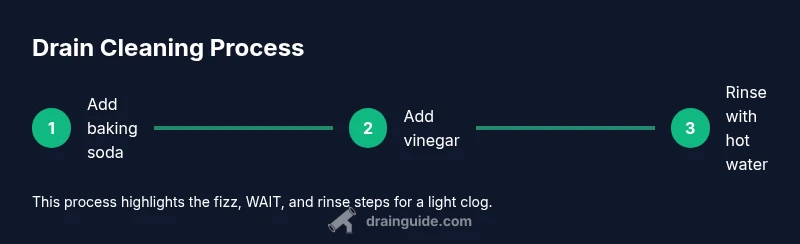
- Start with baking soda, then vinegar, and finish with hot water.
- This method works best for light grease and hair buildup near the trap.
- Never mix with chemical cleaners; avoid using on serious clogs.
- Regular maintenance reduces future clogs and keeps drains flowing.
- If unresolved, switch to mechanical tools or consult a plumber.