Best Way to Unclog Drain of Hair: DIY Guide
Learn the best way to unclog drain of hair with a safe, step-by-step approach for homeowners. This guide covers mechanical removal, safe cleaners, maintenance, and when to call a pro.


Learn the best way to unclog drain of hair with a safe, step-by-step approach. This guide emphasizes mechanical removal first, followed by safe enzymatic options and preventive maintenance. You’ll need common tools like a plunger, a drain snake, gloves, and a bucket. By following these steps, you can restore flow without damaging pipes.
Why Hair Clogs Happen and Why It Matters
Hair clogs are one of the most common bathroom plumbing nuisances. The best way to unclog drain of hair starts with understanding where hair accumulates, how it binds with soap scum, and how pipe geometry shapes flow. In most homes, a combination of long, loose strands and daily washing creates a hair bridge that traps gunk and slows drainage. As you investigate, consider the type of drain (sink, shower, or tub) and the trap configuration. PVC pipes tend to be forgiving, but older metal pipes can form stubborn hair nests that resist simple rinsing. By identifying the location and nature of the clog, you choose safer, more effective tools and avoid unnecessary damage. Drain Guide recommends starting with non-destructive methods and escalating only if the flow remains impaired.
Key insight: most clogs are a mix of hair and soap scum with mineral buildup that tightens over time. A systematic approach saves time, reduces mess, and protects pipes. This article walks you through practical steps you can perform with common household tools.
Quick Overview: What Works (And What Doesn’t)
There are three broad categories of methods: mechanical methods (plungers, snaking), chemical options (acidic or enzymatic cleaners), and preventive maintenance. Mechanical methods are usually the fastest and safest first step in residential drains. Chemical cleaners may dissolve hair more effectively but carry risks for pipes and resin traps. Enzymatic cleaners are the gentlest option and work best after hair has loosened. In most homes, a simple sequence—mechanical removal, then a rinse, then a preventive routine—offers reliable results. For kitchen sinks and bathroom drains, hair is a frequent contributor to slow drainage; the approach remains the same, but adapt to the quieter flow of bathroom lines and the stiffer flow of kitchen lines.
Tools, Safety Gear, and Prep
Before you dive in, lay out your tools and protective gear. Hair clogs can spray when displaced, so gloves and eye protection are essential. Place a towel or small bucket under the drain to catch debris and water. Turn off the fixture if the flow is aggressive, and clear the surrounding area of items that could fall in. Gather the following tools: rubber gloves, a drain cover removal tool or a small screwdriver, a bucket, a plunger, a drain snake (auger), and an optional enzymatic drain cleaner for post-clean rinse. Having the right equipment ready makes the process smoother and safer, especially if you need to switch between mechanical and chemical methods.
Mechanical Removal: Step-by-Step (Hair Snakes and Plungers)
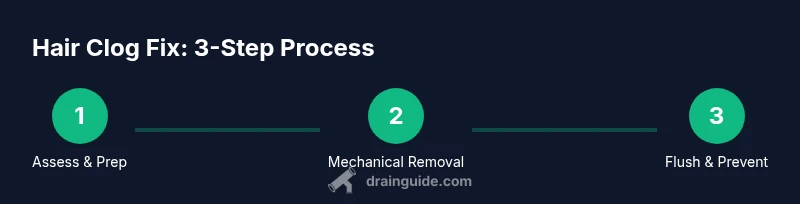
Mechanical removal relies on direct contact with the clog to pull hair out or break it up. Start with a simple plunger to create suction and loosen the mass. If access allows, remove the drain cover and reach into the trap to physically lift out hair. For deeper clogs, insert a drain snake and rotate slowly while feeding it forward. After each attempt, run hot water to flush loose debris. Repeat as needed until water drains freely. Refer to the Step-by-Step section below for precise actions and timing. This method minimizes chemical exposure and reduces risk to pipes.
Chemical and Enzymatic Alternatives: When and How
Chemical drain cleaners can dissolve hair clogs, but they carry risks. Harsh formulas may corrode older pipes or damage rubber seals, and they can react violently with other cleaners. If you choose chemicals, opt for products labeled Safe for pipes and use only as directed. Enzymatic cleaners offer a gentler approach; they work over several hours to digest organic material, so plan accordingly and avoid mixing with other cleaners. Use enzymatic cleaners only after you have mechanically loosened the clog, so you don’t trap hair deeper in the pipe. Always flush with plenty of water after treatment and ventilate the area.
Natural Methods Backed by Science: Boiling Water, Baking Soda, and More
Natural methods can help maintain a clear drain without introducing harsh chemicals. Start with hot water flushes: pour a kettle of near-boiling water into the drain in stages, allowing time between pours to let hair loosen. For additional surge, combine 1/2 cup baking soda with 1 cup white vinegar, but never mix vinegar with bleach. Allow the fizzing action to work for 15-30 minutes, then flush with hot water. Keep in mind that baking soda and vinegar are most effective for minor buildup and should supplement, not replace, mechanical clearing.
Common Pitfalls and How to Avoid Them
Pitfalls include overreliance on chemical cleaners, which can damage pipes; neglecting the trap when hair accumulates; and delaying action when water flow slows. Avoid forcing a snake beyond the trap into older, brittle pipes. Do not use excessive force on metal pipes, and never mix cleaners. Document your clog history to monitor recurring issues; if hair clogs recur monthly, a more thorough inspection may be needed.
Maintenance Habits to Prevent Hair Clogs
Adopt simple routines to keep drains flowing smoothly. Use a fine mesh screen to catch hair, and clean it weekly. Rinse with hot water after washing hair down the drain, and periodically flush the system with a mild enzymatic cleaner to reduce buildup. If your shower has a long drain line, consider installing a hair catcher in the trap for extra protection. Finally, avoid pouring greasy substances down the drain, which can combine with hair to form stubborn blockages. These habits reduce the chance of future clogs and extend the life of your plumbing.
When to Call a Pro: Red Flags and Next Steps
If you cannot access the trap, if the clog returns despite multiple attempts, or if you notice gurgling sounds and standing water that won’t drain, it’s time to call a plumber. Chronic clogs may indicate deeper problems such as a broken pipe, a collapsed line, or sewer line issues. Drain Guide suggests documenting the issue, the steps you’ve tried, and any symptoms to share with the professional for faster diagnosis. A professional assessment can prevent water damage and ensure that restoration work is done safely.
Authority Sources
- https://www.osha.gov
- https://extension.psu.edu
- https://www.epa.gov
Tools & Materials
- Rubber gloves(Protect hands; choose at least size medium)
- Drain cover removal tool or screwdriver(For lifting grille or cap)
- Bucket(Catch hair and water)
- Plunger (cup or flange)(Initial suction; keep seal)
- Drain snake / auger(3-6 ft for sinks; 6-8 ft for showers)
- Tongs or hair removal tool(Grip and remove stubborn hair)
- Enzymatic drain cleaner(Safe post-clean option)
- Hot water kettle(For rinsing after treatment)
Steps
Estimated time: 30-60 minutes
- 1
Turn off water and prep area
Turn off the fixture if the flow is aggressive. Put on gloves and eye protection, and spread a towel to catch splashes. Clear nearby items that could fall into the drain and place a bucket ready to receive water.
Tip: Have a bucket ready and work slowly to avoid splash. - 2
Remove drain cover and inspect trap
Unscrew or lift the drain cover to access the trap (P-trap) if present. Look for visible hair and loosen debris by hand or with needle-nose pliers. Do not force the trap apart; bend or breakage will require professional help.
Tip: Take a quick photo before disassembly for reference. - 3
Remove visible hair from drain
Put on gloves and pull out hair you can reach. Use tongs or pliers to lift clumps; drop debris into the bucket or bag. Clean the area around the trap opening as you go to prevent re-entry of debris.
Tip: Work in small sections to avoid tearing hair and scattering fibers. - 4
Insert drain snake and clear deeper hair
Insert the snake into the drain and rotate the handle clockwise while feeding it forward. When you feel resistance, pull back slightly and rotate again to bring hair with the coil. Withdraw slowly and wipe off hair before reusing.
Tip: Do not force the snake; respect resistance to avoid pipe damage. - 5
Flush with hot water or enzymatic cleaner
Pour hot water in stages to flush loosened debris down the line. If using enzymatic cleaner, follow label directions and allow time for digestion before flushing again. Recheck for flow improvement.
Tip: Avoid boiling water if you have PVC pipes that might deform under heat. - 6
Reassemble and test flow
Reinstall the trap and drain cover. Run water for several minutes to confirm a clear flow and to check for leaks at the joints. Clean up the workspace and dispose of debris properly.
Tip: If flow remains slow, repeat the mechanical step or consider professional help.
Got Questions?
Can I use chemical drain cleaners to remove hair clogs?
Chemical drain cleaners can dissolve hair but often fail on dense clogs and may corrode pipes or seals. They should be used sparingly and as a last resort, especially on older plumbing.
Chemical cleaners can help, but they’re not a cure-all and can damage pipes. Consider mechanical methods first.
Will boiling water damage PVC pipes?
Boiling water can help in some cases, but rapid temperature changes may stress PVC joints. If in doubt, use hot water in stages rather than a full boil.
Boiling water can help, but pour in stages to protect PVC pipes.
How long should enzymatic cleaners work?
Enzymatic cleaners typically require several hours to digest organic material. Plan to run water after treatment and avoid mixing with other cleaners.
Enzymatic cleaners take time; follow the label and rinse after.
Is a plunger effective on a shower drain?
Yes, a plunger can be effective on a shower drain if there’s enough water to form a seal. Create a tight seal and plunge steadily.
Plungers can work on showers with enough water for a seal.
When should I call a plumber?
Call a plumber if the clog recurs after multiple attempts, you cannot access the trap, or you hear gurgling and see standing water. Persistent issues may indicate deeper problems.
If clogs keep returning or you can't access the trap, call a plumber.
What’s the best tool for hair clogs?
A drain snake or hair-specific auger is typically the most effective. Use it after removing the drain cover to reach deeper hair, then flush thoroughly.
A hair-specific auger is usually the best tool for hair clogs.
Watch Video
The Essentials
- Inspect traps for hair buildup and clean.
- Use mechanical methods first to avoid chemical damage.
- Wear gloves and eye protection.
- Flush with water after each method.
- Prevent future clogs with screens and routine maintenance.