Can You Flush a Toilet If Pipes Are Frozen? A Safe Troubleshooting Guide
Learn safe, practical steps for frozen pipes around a toilet, including whether you can flush, how to thaw safely, and prevention tips from Drain Guide.


If your pipes are frozen, do not flush the toilet. Freezing can cause pressure surges and damage. Turn off water at the shutoff, thaw the pipe safely, and use a bucket to flush manually if needed. If thawing isn’t quick, call a plumber for help.
Why Frozen Pipes Affect Toilets
According to Drain Guide, can you flush toilet if pipes are frozen? The correct approach is to avoid flushing until you confirm the pipes are thawed. Freezing can affect the toilet’s supply line and the waste line, creating pressure that may cause cracking or bursts. In many homes, the cold snaps cause supply lines feeding the toilet to freeze first, followed by nearby fixtures. The result is a dramatic drop in water pressure, a risk of blockages in the trap, and potential damage when thawing begins. You’ll want to minimize pressure build-up and avoid forcing water through a blocked system. Drain Guide emphasizes a deliberate, step-by-step approach rather than improvising. Understanding bathroom plumbing helps you spot the frozen point faster and decide whether it’s safe to attempt a flush.
The immediate concern is to prevent a burst or sewer backup. If you suspect a freeze, plan your next moves: shut off water, thaw safely, and use controlled methods for any flushing. Remember, the article aims to protect both you and your home by avoiding hasty, risky actions that can lead to expensive repairs.
Immediate Safety Steps You Should Take
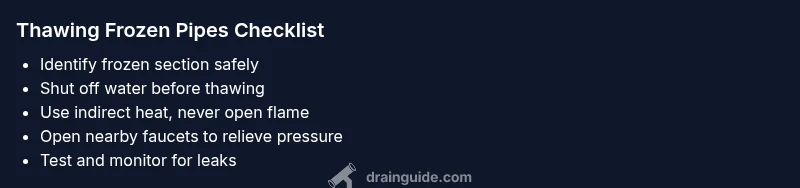
Before touching anything, prioritize safety. Turn off the toilet’s shutoff valve and, if needed, the main water supply to prevent further water from entering frozen lines. Open nearby faucets to relieve built-up pressure and improve the chance of a controlled thaw. Keep the bathroom door open to vent cold air and heat sources, such as a space heater or hair dryer, away from flammable materials. Do not use open flames or torches—the risk of fire and pipe damage is too high. If you notice any pipe bursts, shut off the main valve immediately and call a plumber. Drain Guide recommends documenting any signs of frost or bulges and avoiding attempts to force water through a blocked line. Safety first, then thaw and assess.
Diagnosing Frozen Pipes Near the Toilet
A frozen pipe nearby often shows as numb cold fittings, frost on copper lines, or a pipe that remains cold to touch even when the rest of the house is warm. Check the toilet’s supply line from the wall valve to the fill valve; if that line is compressed or stiff and cold, it’s likely frozen. Inspect the area behind the toilet for cold spots in exposed copper or PVC joints. If the main shutoff or other fixtures feel unusually cold, the freeze may extend beyond the bathroom. Take care not to apply heat to plastic pipes directly, as that can soften the material or cause leaks. Confirm that your home’s exterior vents and drafts aren’t cooling the space excessively. Drain Guide suggests a cautious approach: verify a frozen section before attempting thawing, and never force water through a suspected blockage.
Safe Thawing Techniques and Temporary Flushing Options
Once you’ve confirmed a frozen section, use safe thawing methods. Apply heat indirectly with a hair dryer or a space heater kept at a safe distance, moving along the pipe in slow, steady passes. Do not use open flames, torches, or boiling water. For a temporary flush, you can pour water into the bowl directly from a bucket to create a gravity flush, but only after the pipe has thawed enough to avoid forcing ice blocks further into the line. Keep towels handy to absorb condensation and protect flooring. Drain Guide stresses pacing: steady heat, constant supervision, and stopping if you see any signs of leaking or cracking. If the pipe remains stubbornly frozen or you hear hissing or see frost, stop and call a professional.
Prevention Tips to Avoid Future Freezes
After thawing, prevent future freezes with simple steps: insulate exposed pipes with foam sleeves, seal cracks that let cold air in, and maintain interior temperatures above freezing in unheated spaces. Consider adding pipe heating tape on vulnerable runs and keeping cabinet doors open to allow warm air to reach plumbing, especially in kitchens and bathrooms. Let faucets drip slightly during severe cold to prevent pressure buildup. Drain Guide recommends proactive maintenance and seasonal checks to minimize the risk of repeat freezes.
When to Call a Pro and What to Expect
If you see bulging pipes, hear cracking sounds, or cannot locate the frozen section, it’s time to call a licensed plumber. A pro can safely thaw pipes with professional-grade equipment, assess potential damage, and install insulation or heat sources to protect vulnerable areas. Expect a professional to perform a pressure test, inspect joints, and verify that the main supply isn’t compromised. Drain Guide notes that early professional intervention can save money by preventing complete pipe failure and sewer backups.
Steps
Estimated time: 60-120 minutes
- 1
Shut off water and secure area
Locate and close the toilet shutoff valve; if the main valve is nearby and you suspect a wider freeze, close it too to prevent more water from entering frozen lines. This minimizes flood risk when thawing begins.
Tip: Keep a flashlight handy and wear eye protection when checking for leaks. - 2
Identify the frozen section
Trace the supply line from the wall shutoff to the toilet tank. Look for frost, condensation, or visibly cold sections. If you can’t locate the frozen pipe, don’t force the issue—call a pro.
Tip: Mark the suspected area with painter’s tape for easy reference. - 3
Prepare a safe thaw setup
Position a heat source to warm the frozen area indirectly. Use a hair dryer or space heater on low, moving slowly along the pipe. Never use an open flame.
Tip: Maintain at least a 3-foot clearance from flammable materials. - 4
Thaw the pipe gradually
Continue the gentle heat until the pipe is noticeably warm to the touch. Periodically check for warmth along the length of the pipe and listen for any signs of leaking.
Tip: Stop if you notice cracks or hiss sounds. - 5
Reserve a manual flush option
If the pipe is thawed but the main supply is still off, you can flush by pouring 1-2 gallons of water quickly into the toilet bowl to mimic a flush. Do not force water through a partially frozen line.
Tip: Have a bucket ready and avoid splashing. - 6
Restore water and test
Slowly reopen the main valve, then the toilet shutoff. Let the system stabilize, and test a normal flush. Watch for leaks or unusual noises and be prepared to shut off again if needed.
Tip: Inspect the area for damp or icy patches after restoration.
Diagnosis: Toilet won’t flush and nearby pipes feel cold or show frost near the bathroom
Possible Causes
- highFrozen or blocked supply line feeding the toilet
- mediumFrozen main service line affecting multiple fixtures
- lowTemporary valve failure or airlock due to freezing
Fixes
- easyShut off toilet shutoff valve and, if needed, the main supply; do not use fixtures until thawed
- easySafely thaw pipes using indirect heat (hair dryer/space heater) and avoid open flames
- easyOpen nearby taps to relieve pressure and prepare for thawing; keep a bucket ready for manual flush
- easyIf thawing fails or a pipe bursts, call a licensed plumber immediately
Got Questions?
Is it safe to flush a toilet if pipes are frozen?
No. Wait for thawing and use manual flushing only if necessary and safe. Forcing water through a frozen line can crack pipes or cause sewer backups.
No. Do not flush until thawed. If you must, use a manual flush after thawing and avoid forcing water through frozen pipes.
What should I do first when I discover frozen pipes near a toilet?
Shut off the water supply at the toilet shutoff and, if needed, the main. Open nearby faucets to relieve pressure and start a safe thaw. Contact a plumber if you suspect extensive freezing.
Turn off the water first, then begin safe thawing and open nearby taps.
Can I thaw pipes myself, or should I call a pro?
You can perform safe thawing with indirect heat, but if you’re unsure or if any pipe bursts occur, call a licensed plumber. Professionals have equipment to prevent further damage.
You can try safe thawing, but call a pro if you’re unsure or if damage happens.
How can I prevent pipes from freezing in the future?
Insulate exposed pipes, seal drafts, keep heat on in cold rooms, and consider installing pipe heating tape for vulnerable runs.
Prevent freezes by insulating pipes and keeping spaces warm.
What if a pipe bursts while thawing?
Shut off the main water supply immediately, avoid electrical hazards, and call a plumber right away. Do not attempt to repair a burst pipe yourself.
If a pipe bursts, shut off water and call a plumber quickly.
Watch Video
The Essentials
- Shut off water before thawing to prevent bursts
- Thaw pipes safely with indirect heat and monitor for leaks
- Use manual flushing only after thawing to avoid blockages
- Call a pro if you see bursts or cannot locate the frozen section