Does Giga Drain Make Contact? A Safety Guide for Homeowners
Explore whether does giga drain make contact, how contact hazards arise with drain cleaners, and practical safety steps for homeowners. Learn PPE, handling tips, storage, and safe alternatives from Drain Guide for 2026.


Does giga drain make contact? In plumbing terminology, 'Giga Drain' is not a standard industry term, so contact risk depends on the product’s formulation. Most caustic or oxidizing cleaners can irritate skin and eyes on contact, so always wear gloves and avoid direct contact. For safety, follow the label instructions and consider non-chemical methods first.
What Does 'Does Giga Drain Make Contact' Mean in Real Life Drain Safety?
For homeowners, the phrase does giga drain make contact often triggers questions about whether a specific product labeled with a high-impact branding term like 'Giga' is more hazardous than standard drain cleaners. In practice, contact risk is driven by the chemical nature of the cleaner (caustic, acidic, or oxidizing), the surface it touches, and the duration of exposure. This section helps unpack that idea with a practical lens, emphasizing safety and best practices. In Drain Guide's experience, the core takeaway is that any chemical cleaner – branded or not – can cause irritation if it touches skin or eyes. The risk is not inherently higher or lower simply because the label carries a bold name; the formulation and user handling determine the outcome. To reduce risk, treat every cleaner as potentially hazardous until proven otherwise, and always start with non-chemical options when possible.
How Contact Hazard Depends on Formulation
The term does giga drain make contact becomes most meaningful when you compare formulations. Some drain cleaners use caustic bases (like sodium hydroxide) or oxidizers (like sodium hypochlorite). Others rely on enzyme biology to break down organic matter. The contact hazard differs accordingly:
- Caustics can cause chemical burns on skin or corneal injury if splashed into the eyes.
- Oxidizers can irritate mucous membranes and skin with prolonged exposure.
- Enzymatic cleaners tend to be milder but may still irritate if mishandled or if concentrated.
Always read the Safety Data Sheet (SDS) and label warnings because even cleaners marketed with consumer-friendly branding can present real contact risks if misused. Within this landscape, the brand name is less important than the hazard profile and your protective practices.
Common Ingredients and Their Contact Hazards
To answer does giga drain make contact from a chemistry standpoint, review typical ingredients and their risks. While exact formulations vary by brand, you’ll often encounter:
- Caustic cleaners: strong alkalis that can cause deep skin burns and eye damage on contact.
- Chlorinated cleaners: potent oxidizers with irritants that can irritate airways and eyes.
- Enzymatic cleaners: generally gentler, but high concentrations can still irritate skin.
- Fragrance and dye additives: may cause irritation in sensitive individuals.
Practical takeaway: never mix cleaners, never apply concentrated products to skin, and always use PPE—gloves, eye protection, and adequate ventilation.
PPE and Safe Handling Practices
Protective equipment is your first line of defense against contact hazards. Essential items include:
- Chemical-resistant gloves (nitrile or neoprene, depending on the product)
- Safety goggles or face shield
- Long sleeves and pants, closed-toe shoes
- Ventilation and, if indoors, a fan or extractor to reduce fume buildup
Handling tips:
- Read the label and SDS before use.
- Never mix products, even if the label seems compatible.
- Keep containers closed when not in use and store away from children and pets.
Combining PPE with proper technique dramatically reduces the chance that does giga drain make contact becomes a serious issue in typical home settings.
Surface Interactions: Metals, Plastics, and Seals
Different surfaces react differently to chemical cleaners. Some plastics may dent or scratch with harsh solvents, while metal pipes can corrode under prolonged exposure. Seals and gaskets may soften or degrade if exposed to concentrated cleaners. When a product label warns about contact, assess both the cleaning action and the surface you’re treating. For example:
- Porous materials can absorb cleaner and prolong exposure.
- Sealed systems (like a trap or valve) may experience seal degradation if exposed to aggressive chemicals.
In most home scenarios, mechanical methods (plungers, augers, or heat) can reduce the need for aggressive cleaners on sensitive surfaces. This is a practical approach to minimize potential contact hazards while maintaining drain function.
Alternatives to Chemical Cleaners: Mechanical Methods
For many homeowners, mechanical approaches can reduce or eliminate the need to reach for a caustic or oxidizing cleaner. Consider:
- Plungers and toilet augers for clogs without chemicals
- Boiling water followed by careful rinsing for light organic buildup
- Enzyme-based cleaners as a milder option when appropriate
- Regular maintenance (flush with water after use) to prevent buildup
Does giga drain make contact still matter if you choose an alternative method? Not if you avoid contact hazards altogether by leaning on mechanical means whenever feasible. Drain Guide recommends evaluating the clog type and trying non-chemical methods first, especially when kids or pets are present in the home.
Responding to Accidents: First Aid and When to Seek Help
If contact occurs, act quickly:
- Rinse skin with plenty of water for 15 minutes.
- Remove contaminated clothing carefully.
- Seek medical attention for persistent irritation, burns, or eye exposure.
- Do not attempt neutralization with other chemicals unless advised by a professional.
If exposure involves eyes, flush with clean water for at least 15 minutes and obtain medical evaluation promptly. When in doubt, contact your local poison control center for guidance. These steps lower the risk of lasting damage should does giga drain make contact occur in a household setting.
Drain Guide’s Practical Verdict and Final Tips
The bottom line is that the risk associated with any drain cleaner, including a hypothetical product branded as Giga Drain, hinges on formulation and safe handling. Treat every product with respect and follow the label’s recommendations. Maintain good housekeeping: store products securely, label clearly, and keep a reachable first aid kit on hand.
Key tips:
- Always wear PPE and ensure good ventilation.
- Do not mix products; never combine cleaners with household ammonia or bleach.
- Use the least aggressive option that can clear the drain and re-evaluate if needed.
- Consider non-chemical strategies first for common clogs and routine maintenance.
Drain Guide’s approach to does giga drain make contact emphasizes prevention, preparation, and prompt action if exposure occurs. By embedding these habits, homeowners can reduce risk while keeping drains clear and functional.
Storage, Disposal, and Maintenance to Minimize Contact Hazards
Proper storage and disposal are critical to minimizing contact hazards. Store cleaners upright, tightly closed, away from heat and sunlight. Keep them in their original containers to avoid confusion, and ensure childproofing where possible. When disposing of unused product, follow local regulations and the label’s guidance; some cleaners have special take-back programs or household hazardous waste days. Regular inspection of containers for leaks or corrosion helps prevent accidental contact or spills.
Drain Guide emphasizes that proactive maintenance — including periodic purging, neutralizing, and careful disposal — reduces overall contact hazards and prolongs the life of your plumbing system.
Key contact safety considerations for drain cleaners
| Aspect | Contact risk | Safe Practices |
|---|---|---|
| Contact hazard level | Low to moderate depending on formulation | Wear PPE; follow label; avoid mixing |
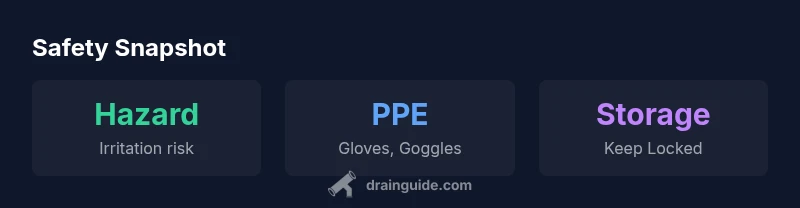
| PPE recommendations | Gloves, goggles, ventilation | Inspect PPE; replace damaged gear |
| Storage & disposal | Store away from children; proper disposal | Seal containers; follow local regulations |
Got Questions?
Is it safe to mix Giga Drain with other cleaners?
No. Mixing drain cleaners with other cleaners or household chemicals can release hazardous gases or create highly reactive mixtures. Always use products separately and follow the label instructions.
Never mix any drain cleaner with other cleaners. It can create dangerous reactions; use products one at a time and follow the label.
What should I wear when handling Giga Drain or similar cleaners?
Wear chemical-resistant gloves, goggles, and ensure good ventilation. Keep children and pets away during use and store products securely.
Put on gloves and safety goggles, ventilate the area, and keep kids away while you work.
What should I do if contact occurs?
Rinse skin or eyes with plenty of water for at least 15 minutes and seek medical help if burning or irritation persists. Do not delay seeking professional care for severe exposure.
If contact happens, rinse with water for 15 minutes and seek medical help if irritation continues.
Can drain cleaners damage plumbing or seals over time?
Overexposure to harsh cleaners can degrade seals or corrode metal and some plastics. Use the least aggressive method first and rinse thoroughly after use.
Harsh cleaners can hurt seals over time; pick mild options when possible and rinse well.
How should I store drain cleaners safely?
Keep containers closed, upright, and out of reach of children. Store in a cool, dry place away from heat sources and incompatible chemicals.
Store upright, closed, and out of reach of kids, in a cool, dry place.
“Clear handling guidelines and emphasis on PPE dramatically reduce accidental contact with drain cleaners.”
The Essentials
- Always treat drain cleaners as hazardous until proven safe for skin contact.
- Wear proper PPE and ensure good ventilation during use.
- Avoid mixing products; follow label instructions precisely.
- Consider mechanical methods first to minimize chemical exposure.
- Store and dispose of cleaners with care to prevent accidents.