Drain Water: A DIY Guide for Home Drainage
Learn to drain water safely and effectively at home. This step-by-step guide covers diagnosis, tool selection, safety, troubleshooting, and maintenance to keep your drains flowing smoothly.


Understanding Drain Water and Why It Matters
Drain water isn’t just dirty liquid—it’s wastewater that travels through your home’s plumbing. When it backs up, you risk overflows, odors, and potential damage to floors and cabinets. Understanding how water travels from fixtures to the main line helps you pick the right intervention. According to Drain Guide, the first clue is the location of the backup (sink, tub, shower, or appliance). That detail guides which tool to reach for first and how to approach the blockage without causing a bigger mess. This section outlines the basics of flow paths, common domestic blockages, and how small clogs can become larger problems if ignored.
Remember: every drain system shares a few core components—a trap, a horizontal drain, and a cleanout. Knowing these parts helps you predict where a clog may trap water and what you’ll need to clear it. Visualizing the path from fixture to sewer line keeps you focused on the most effective method rather than trying every remedy at once.
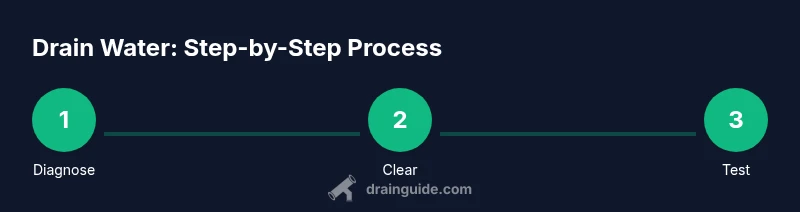
The goal is to restore steady drainage without introducing messes or hazards. Clear drains protect your home from damage and reduce the chance of lingering odors. This is why a planned approach—identify, prepare, and apply the simplest effective method first—tends to succeed with minimal disruption.
Common Causes of Backups and Slow Drains
Most drain water problems stem from everyday use and routine maintenance gaps. Hair, soap scum, food particles, and mineral buildup can accumulate in traps and pipes, gradually narrowing the passage. In kitchens, grease and food waste are frequent culprits; in bathrooms, hair and personal products dominate. A backup in one fixture can signal a shared blockage in the main line or a poorly pitched pipe. Recognizing these patterns helps you choose the correct remedy—plunging for shallow, surface-level clogs and mechanical tools for deeper obstructions.
Another frequent factor is a damaged or misaligned trap. A loose connection or inverted trap lets air enter the line, causing slow drainage and the familiar gurgling sound. Low-flow systems or venting issues may also contribute to slow draining. When you understand whether the issue sits in a trap, a vertical stack, or a horizontal run, you can narrow your options and avoid unnecessary disassembly.
Finally, be mindful of what goes down the drain. Avoiding chemical cleaners as a first-step remedy reduces the chance of pipe damage and environmental harm. Small, repeated blockages are often easier to clear with mechanical methods than with harsh chemicals, and prevention starts with routine maintenance—flush solids, use strainers, and practice mindful disposal.
Safety First: Personal Protective Equipment and Workspace Prep
Safety is the foundation of every drain maintenance task. Before you begin, put on gloves (nitrile or latex) and eye protection if splashing could occur. Keep a dedicated bucket, towels or rags, and a flashlight handy so you can clearly see what you are doing. Clear the area around the sink or appliance to prevent trips or slips and place a drop cloth or old towels to catch spills.
Ventilation matters if you’re using any cleaners or solvents—open a window or turn on a fan. Remember to unplug perishable appliances if you’ll be working near power sources. Lastly, never mix cleaners or use chemical drain products while you’re still attempting mechanical methods. The safest approach starts with low-risk, non-chemical steps and proceeds only if necessary.