Drain Without Overflow Hole: DIY Troubleshooting Guide
Learn how to diagnose and fix drainage issues when a system drains without an overflow hole. This step-by-step guide covers causes, safe DIY techniques, essential tools, maintenance, and when to call a professional. Drain Guide provides practical, trusted advice.


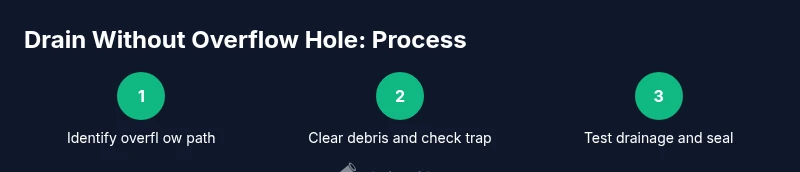
Drain without overflow hole requires locating the overflow opening, inspecting the trap and vent, clearing debris, and testing flow after reassembly. For a complete, step-by-step walkthrough with safety tips, click through to the full guide.
Understanding the Concept: Drain Without Overflow Hole
According to Drain Guide, modern drainage systems rely on a properly sized overflow path to prevent water from rising above the sink rim or tub edge. A drain without a functional overflow hole can still evacuate water, but it increases the risk of sudden backups, overflows, and hidden leaks. In this section we’ll unpack what it means when your fixture appears to drain normally yet lacks a visible overflow route, and why that matters for daily use and long-term plumbing health. You’ll learn how the overflow path interacts with the trap, vent stack, and the rest of the drainage system, and what to check first without assuming doom. With a clear understanding of the mechanics, DIY fixes become safer and more effective rather than guesswork.
Why Overflow Holes Matter for Drain Performance
Overflow holes provide a controlled pathway for excess water, especially in sinks and bathtubs with shallow basins or high water temperatures that can cause rapid rise. When an overflow path is blocked or absent, the primary drain must absorb the load, which can lead to pressure buildup in the drain line, increased siphoning on traps, and a higher chance of gurgling or slow draining. Drain Guide emphasizes that even a seemingly small obstruction in the overflow route can cascade into bigger problems—backups, sewer odors, and potential water damage. Regular inspection helps you spot misalignment, corrosion, or debris before it compounds.
Common Scenarios Where Drainage Happens Without an Obvious Overflow Hole
In some installations, the overflow exists but is hidden behind cabinetry or integrated into a vertical venting system; others may have an overflow that has been removed or sealed due to remodeling. A third group encounters a clogged but functioning overflow, making the problem harder to detect. In all cases, you’ll want to look beyond the surface: inspect the visible drain opening, check for a blocked vent, and confirm that the trap is properly vented and sealed. Drain Guide’s guidance encourages homeowners to map the path from the sink or tub to the main drain so you can prioritize which segment to troubleshoot first.
Diagnosing the Overflow Path: Overflow, Trap, and Vent
A working drain system relies on three critical components: the overflow path, the P-trap, and the vent stack. If water backs up without an obvious overflow hole, start by checking the overflow access (if present), then inspect the P-trap for clogs or scale buildup, and finally test the vent for blockages with a smoke test or a professional vent cleaner. Misalignment or missing seals at the trap can allow air to escape and reduce drainage efficiency, while a blocked vent can cause slow draining and gurgling as air pressure changes. Drain Guide suggests performing a controlled, staged diagnosis to avoid creating a bigger mess.
Safe, DIY Maintenance and Inspection Routine
Before you dive into cleaning, wear gloves and eye protection. Keep a bucket and towels handy to catch water, and work with the water off to prevent unintended splashes. Start by removing any visible debris from the overflow plate and drain opening, then clear the trap area with a brush or small flexible snake. Rinse components with warm water and a mild solution of baking soda and vinegar if preferred (avoid caustic chemicals that can damage seals). Document any worn gaskets or cracked parts so you know what to replace. A simple, repeatable maintenance routine reduces future risks and keeps drainage flowing smoothly.
Practical DIY Steps You Can Take Right Now (Non-Technical)
If you’re comfortable, perform a quick self-check: observe how water flows after a controlled flush, listen for unusual sounds, and watch for any water pooling near the base. This practical approach helps you decide whether the issue is localized to the overflow area or part of a larger drainage problem. Remember: if the piping shows signs of corrosion, persistent leaks, or foul odors, it’s time to call a professional. Drain Guide’s philosophy is to empower you with safe, evidence-based steps and to escalate when specialized tools or expertise are required.
When to Call a Professional vs DIY
Not every problem is a DIY fix, and rushing to disassemble hidden valves or sealed connections can worsen a leak. If you notice recurrent backups after clearing debris, signs of sewage odor, or slow drainage that doesn’t improve after basic cleaning, consult a licensed plumber. In some cases, structural issues or vent system repairs demand specialized equipment and knowledge. Drain Guide recommends weighing the risk of water damage against the benefits of professional service and choosing a plan that preserves both safety and long-term system integrity.
Preventive Maintenance to Avoid Future Overflow Problems
A proactive maintenance plan can reduce the odds of overflow-related issues. Schedule seasonal inspections to check the overflow pathway, trap seals, vent integrity, and drain lines for corrosion or mineral buildup. Use a mesh screen to prevent hair and debris from entering the overflow, and avoid chemical drain cleaners that can degrade seals. By keeping the trap and vent clean and compliant with local plumbing codes, you’ll maintain consistent drainage performance and reduce emergency calls.
Tools & Materials
- Flat-head screwdriver(To remove overflow cover or faceplate if present.)
- Phillips screwdriver(For screws on trap covers and overflow hardware.)
- Adjustable pliers(Grips on overflow grate and trap fittings.)
- Drain snake / auger(Clear deeper clogs up to 3 feet; optional 6-foot version for wider traps.)
- Bucket(Catch water during disassembly to minimize mess.)
- Flashlight(Inspect dark cavities inside overflow channel and trap.)
- Gloves(Protect hands from sharp edges and dirty water.)
- Rags or towels(Mop up spills and wipe surfaces.)
- Vinegar & baking soda(For gentle, non-caustic cleaning that won’t harm seals.)
Steps
Estimated time: 25-40 minutes
- 1
Inspect overflow access and clear debris
Remove the overflow cover if accessible and visually inspect the opening for hair, soap scum, or mineral buildup. Use a flashlight to illuminate the channel, then gently remove loose debris with your fingers or needle-nose pliers. Do not force parts that appear stuck; prying can damage seals.
Tip: Take photos before disassembly to guide reassembly and verify intact seals. - 2
Clear visible debris from overflow opening
With debris removed from the overflow, inspect the downstream path toward the P-trap. Use a small brush or flexible snake to dislodge any materials that might be packing into the opening. Rinse with warm water to flush remnants toward the trap.
Tip: Work slowly to avoid pushing debris further down the line. - 3
Remove and clean the P-trap
Place a bucket under the trap and loosen the slip nuts with adjustable pliers. Detach the trap, clean both the U-bend and the trap arm, and check for cracks or corrosion. Reassemble with new Sealant if worn.
Tip: Inspect the gasket and washers for wear; replace if brittle. - 4
Check the vent path for blockages
Trace the vent line upward from the trap area and inspect for obstructions such as lint or debris. If accessible, remove the vent cap or clean the screen. If the vent is hidden in the wall, a professional may need to run a vent cleaning tool.
Tip: Blocked vents can mimic overflow issues; don’t skip this step. - 5
Test drainage flow
Turn on the water and observe the flow through the drain. Look for steady draining without glugging or backflow. If water backs up, repeat the trap cleaning or consider using a longer snake to clear deeper lines.
Tip: Always test with a controlled water flow, not a full blast. - 6
Reassemble and verify
Reinstall the trap, reattach the overflow cover, and restore the vent components. Run several cycles of draining to ensure consistent flow and no signs of leakage around seals.
Tip: Keep a towel handy during reassembly in case of minor spills.
Got Questions?
What is an overflow hole and why does it matter?
An overflow hole provides a secondary drainage path to prevent spills when a sink or tub fills too high. It helps maintain safety and reduces pressure buildup in the drainage system. If it’s blocked or absent, backups and overflows are more likely.
Overflow holes act as a safety channel to prevent water from spilling over the sink. If it’s blocked or missing, backups can occur and water damage is more likely.
Can I fix overflow hole clog without calling a plumber?
Many overflow clogs can be cleared with basic tools such as a small snake or flexible brush. Start by removing the overflow cover and clearing visible debris, then work your way toward the trap while maintaining caution around seals.
Yes, many overflow clogs can be cleared with simple tools after removing the cover and clearing debris.
How do I know if the vent is blocked?
If you notice slow drainage, gurgling sounds, or bubbles in the sink, the vent may be blocked. A visual check for exterior vents and a basic smoke test (or professional assessment) can confirm the blockage.
Slow draining or gurgling often points to a blocked vent; a professional may perform a smoke test to confirm.
What tools do I need to clear a clogged overflow?
A drain snake, needle-nose pliers, a small brush, a bucket, and protective gloves are typically enough to clear common clogs in overflow paths and traps.
You’ll usually need a snake, pliers, brush, bucket, and gloves.
Is there a risk of water damage if I ignore overflow symptoms?
Yes. Ignoring symptoms can lead to gradual water damage, mold growth, and more extensive plumbing repairs later. It’s best to address issues early with safe DIY steps or professional help.
Ignoring overflow symptoms can lead to water damage and bigger repairs down the line.
When should I replace drain components?
Replace worn gaskets, corroded traps, or cracked overflow plates. If components show signs of leakage or failure after DIY cleaning, replacement is recommended to restore proper drainage.
Replace worn parts if there are leaks or visible damage after cleaning.
Watch Video
The Essentials
- Identify and inspect the overflow path before delving into deeper components
- Clean the overflow opening, trap, and vent system with appropriate tools
- Test water flow after each repair step to confirm effectiveness
- Avoid harsh chemical cleaners and consult a pro for complex vent or structural issues