How to Reduce Energy Drain at Home: A DIY Guide
Learn a step-by-step approach to minimize energy drain at home. From phantom loads to efficient upgrades and weatherization, this guide helps homeowners cut bills with safe, tested tactics.


Energy drain refers to the waste of electricity and heat in your home. This quick answer highlights the essential approach: start with a simple home energy audit, identify phantom loads, upgrade lighting and appliances, and seal drafts. By tackling standby power, temperature gains, and water heating efficiency, you can lower bills and improve comfort without major remodeling.
Understanding energy drain in homes
Energy drain describes the cumulative waste of energy that occurs when systems, devices, and behaviors consume electricity and heat more than necessary. In many homes, standby power from devices left plugged in, poor insulation, and inefficient appliances contribute to wasted energy day after day. The result is higher utility bills and greater environmental impact. By focusing on the root causes—phantom loads, temperature regulation inefficiencies, and aging equipment—you can design targeted improvements. A home energy audit is the compass you need: it identifies where the biggest drains occur and helps you prioritize fixes. In this guide, energy drain will be referenced as the measurable gap between actual energy use and an efficient baseline. You will learn to quantify and reduce energy drain without expensive renovations, using common tools and safe practices.
Major contributors to energy drain
Several factors consistently drive energy drain in homes:
- Phantom loads and standby power from electronics and chargers left plugged in.
- HVAC inefficiencies due to leaks, inadequate insulation, and aging equipment.
- Inefficient lighting and electronics that consume more power than necessary.
- Water heating practices, including high thermostat settings and long wait times for hot water.
- Gaps in air sealing around windows, doors, and ductwork that let conditioned air escape.
Understanding these contributors helps you target the most impactful improvements first, rather than chasing marginal gains.
Start with a home energy audit
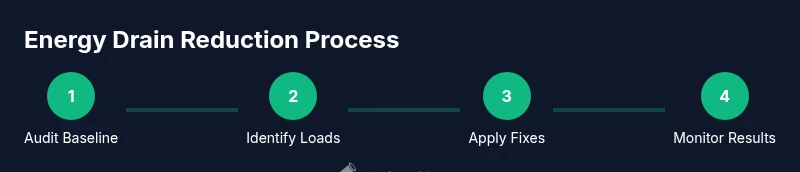
A practical energy audit gives you a map of where energy is wasted. Begin by listing your largest loads (HVAC, water heater, major appliances) and noticing when usage spikes. Use a basic meter to measure standby power draw from common devices and record your findings over a 1–2 week period. This data creates a baseline you can compare against after making changes. The audit should also consider weather-related factors, such as outdoor temperatures and sun exposure, which influence heating and cooling needs. With a clear baseline, you can prioritize upgrades that deliver the most impact for your home.
Tools and measurements to track energy drain
To accurately measure energy drain, you’ll need accessible tools and a plan:
- A home energy monitor with a clamp meter helps track entire-house consumption and specific circuits.
- Smart plugs with energy monitoring reveal phantom loads on individual devices.
- A basic LED upgrade kit improves efficiency with minimal disruption.
- A simple weather strip and caulk can dramatically reduce drafts.
Document readings before and after changes to quantify progress. Keep a running log of what you tested, the setting used, and the resulting energy use.
Practical actions to reduce energy drain
Focus on high-impact, low-cost actions first:
- Unplug idle chargers and use smart strips to cut standby power.
- Replace incandescent bulbs with LED equivalents and adjust lighting usage to match needs.
- Seal air leaks around doors and windows and insulate exposed ducts.
- Set sensible thermostat schedules and maintain HVAC filters for efficient operation.
- Lower water heater temperature to 120°F where appropriate and insulate the tank and pipes.
Each action reduces energy drain and often pays back quickly through lower bills and improved comfort.
Upgrading appliances and lighting for efficiency
When upgrades are needed, prioritize high-use appliances and lighting. Look for Energy Star-rated devices and avoid oversized replacements. Upgrades can yield noticeable gains in energy efficiency without requiring major renovations. If you’re unsure about a purchase, estimate the expected energy savings over a year using online calculators and compare that to a reasonable payback period. Keep in mind that even modest improvements compound over time, steadily shrinking energy drain.
Weatherization and insulation as a drain reducer
Weatherization tackles the root cause of energy drain: heat loss and gain. Start with doors and windows using weather stripping and door sweeps. Add insulation to attics, walls, and basements where practical, and seal gaps around electrical penetrations and plumbing. Well-executed weatherization reduces the workload on heating and cooling equipment, lowering energy drain significantly. For renters or budget-conscious homeowners, prioritize sealant and sealing techniques first before full insulation upgrades.
Creating a DIY energy monitoring plan
A structured plan helps you sustain progress. Develop a monthly routine to review energy data, test one variable at a time (like LED lighting or thermostat settings), and document outcomes. Use charts or a simple spreadsheet to visualize trends and keep goals in sight. A plan also supports ongoing maintenance—like quarterly filter changes and annual inspections—that keeps energy drain from creeping back.
As you implement changes, share results with household members to foster ongoing energy-conscious habits. Consistency matters as energy drain often scales with everyday behaviors.
Maintaining progress and long-term habits
Sustaining gains requires consistent habits. Schedule seasonal check-ins to recalibrate thermostat programs, inspect seals and insulation, and review appliance performance. Keep a small toolkit for quick fixes—weatherstripping, sealant, and LED replacements—so you don’t delay improvements. Document milestones and celebrate reductions in energy drain to reinforce positive behavior and maintain motivation.
Tools & Materials
- Home energy monitor with clamp meter(Select a model that supports whole-house monitoring and per-circuit readings.)
- Smart plugs with energy monitoring(Get at least 4; choose ones with audible alerts if possible.)
- LED light bulbs (various fittings)(Aim for daylight or neutral color temps for living areas.)
- Weatherstripping and weatherproof door sweeps(Choose self-adhesive foam or silicone-based weatherstripping.)
- Caulk gun and silicone sealant(Use for sealing gaps around windows and outlets.)
- Infrared thermometer(Helpful for spotting heat loss around doors/windows. )
- Multimeter (optional)(Useful for voltage and resistance checks on specific circuits.)
- Duct tape and insulation tape(Useful for quick fixes and minor sealing tasks.)
- Power strips with surge protection(Use to manage standby power on clusters of electronics.)
- Thermostat with programmable schedule(Consider upgrading if the current unit is old and inefficient.)
Steps
Estimated time: 4-8 hours
- 1
Set your energy goals
Clarify what you want to achieve in the next 3–6 months (e.g., reduce energy drain by a set percentage or dollar amount). Write the goal down and share it with household members to maintain accountability.
Tip: Anchor goals to observable metrics (e.g., daily usage after 7 PM). - 2
Install a baseline monitor
Connect a home energy monitor on the main feed and set up smart plugs to capture baseline consumption for major devices. Record initial readings to establish a starting point.
Tip: Label devices in your log so you can spot which ones spike usage. - 3
Inventory major loads
Create a list of the biggest energy consumers in your home (HVAC, water heater, refrigerator, dryer). Note their typical usage patterns and times of peak demand.
Tip: Use a notepad or app to track when each load is active. - 4
Test for phantom loads
With the baseline monitor active, unplug nonessential electronics or shut them off at the strip to see how much standby power contributes. Record the difference.
Tip: Focus on chargers, set-top boxes, and gaming consoles first; they often draw power even when off. - 5
Seal drafts and weatherize
Apply weatherstripping and seal gaps around doors/windows; insulate where feasible and seal accessible ductwork. These steps reduce heat loss/gain and ease HVAC load.
Tip: Don’t over-tighten outlets; only seal gaps that allow air leakage. - 6
Upgrade lighting and controls
Switch to LED bulbs in high-use areas and install dimmers or occupancy sensors where appropriate to reduce waste.
Tip: Phase in changes, starting with rooms used most often. - 7
Tune HVAC and water heating
Replace filters, adjust thermostat programming, and consider modest insulation upgrades for ducts. Lower the water heater to 120°F where safe and appropriate.
Tip: Schedule professional maintenance if you notice large efficiency drops. - 8
Re-measure and compare
Wait 1–2 weeks to collect new energy data under the updated setup. Compare against your baseline and refine the plan.
Tip: Update your log with concrete savings and photos of fixes. - 9
Create a maintenance routine
Set quarterly checks for seals, insulation, and HVAC efficiency, plus an annual review of appliance performance and energy spend.
Tip: Automate reminders so maintenance becomes a habit.
Got Questions?
What is energy drain, and why does it matter?
Energy drain is the preventable waste of electricity and heat in a home. Reducing it lowers bills, improves comfort, and reduces environmental impact.
Energy drain is wasted energy in your home. Reducing it saves money and keeps your home comfortable.
How can I measure energy drain without expensive equipment?
Start with a basic energy monitor and smart plugs to identify phantom loads and track overall usage. Use the data to target major efficiency gains.
Use a simple meter and smart plugs to identify where energy is wasted, then target those areas first.
Are standby devices the main source of energy drain?
Standby power from electronics is a common contributor, but HVAC inefficiencies and poor insulation often dominate in many homes.
Standby power is important, but don’t overlook heating, cooling, and insulation as major drains.
What is a reasonable payback period for energy upgrades?
Payback varies by upgrade, usage, and local climate. Focus on upgrades with clear long-term savings and reasonable upfront costs.
Payback depends on use and climate; prioritize upgrades with proven long-term savings.
Can I safely perform energy audits myself?
Yes, many steps are DIY-friendly with basic safety precautions. Avoid working inside panels and consult professionals for complex tasks.
Most steps are safe for DIY, but don't touch live panels and seek professional help for electrical work.
Do smart plugs significantly reduce energy drain?
Smart plugs can cut phantom loads and help you monitor usage, contributing to meaningful energy drain reductions when used consistently.
Smart plugs reduce standby power and help you track consumption for targeted changes.
Does weatherization require a full home renovation?
No—start with cost-effective measures like weatherstripping and sealing leaks. More extensive insulation can be pursued as needed.
Weatherization can start with simple sealing and then expand if needed.
What should I monitor after upgrades?
Continue recording energy use and compare to your baseline. Watch for new patterns and adjust thermostat settings accordingly.
Keep measuring after upgrades to see real results and fine-tune settings.
Watch Video
The Essentials
- Identify the biggest energy drains first.
- Use measurement tools to quantify baseline usage.
- Seal drafts and upgrade lighting for fast wins.
- Track progress with a simple log and adjust as needed.