How to Clean a Drain Snake: A DIY Guide
Learn how to clean a drain snake safely with a practical, step-by-step approach from Drain Guide. Tools, safety tips, and maintenance to keep drains clear without costly services.


Master the process of cleaning a drain snake with this practical how-to. You’ll learn when to use a hand-crank auger, how to feed and rotate the cable, and steps to retrieve debris without injuring pipes. By the end, you can tackle common clogs confidently using basic tools. This guide covers sink, shower, and toilet scenarios.
What is a drain snake and why you need one
A drain snake, also called an auger, is a flexible cable that you manually feed into a clogged drain to break up or hook debris. It’s your first line of defense for hair, soap scum, and mineral buildup that traps water and slows drainage. Knowing how to clean drain snake and use it properly saves you from costly calls and messy chemical solutions. It’s a versatile tool for kitchens, bathrooms, and laundry areas, where clogs often form from organic debris. When you learn how to clean drain snake, you’ll gain a reliable skill that empowers you to handle routine maintenance and minor blockages without professional help.
Before you reach for the snake, confirm the problem is accessible by removing the strainer or trap if needed. Not every clog requires the full rope-and-augur approach; in many cases, a quick snaking of the trap can restore flow. In this guide, Drain Guide explains how to select the right cable, how to feed and rotate with steady pressure, and how to safely clean up after the job. Remember that patience is essential—the more you practice, the faster you’ll diagnose whether your drain is truly clear or if the blockage is further along the line.
How to choose the right type and length
Drain snakes come in several designs: handheld manually-operated augers and larger motorized models. For most residential tasks, a flexible handheld snake with a 3–6 foot cable handles sink and shower clogs; longer lines (15–25 feet) are used for main lines or blocked basement drains. Cable diameter matters: a 1/4 inch cable is standard for small pipes; 3/8 inch or 1/2 inch for thicker pipes or more stubborn clogs. A spinner or crank handle offers better leverage, but even basic models work well with proper technique. When learning how to clean drain snake, consider your comfort level, pipe material, and the type of clog (hair, grease, soap scum, scale). For toilets, use a toilet auger designed specifically for this fixture; it’s shorter and has a curved head to prevent damage.
Also think about the drain configuration: straight runs require different lengths than curved traps. If you’re unsure whether your clog is in a trap, you can start by removing the P-trap under a sink; if water remains backed up, you’ll need a longer snake or a slightly different approach. The right choice reduces frustration and minimizes the risk of pipe damage. Drain Guide’s guidance emphasizes selecting a tool you can control, and practicing safe handling before you face tougher blockages.
Safety and prep before you begin
Safety first: wear gloves and eye protection, and lay down a tarp or old towel to catch splashes. Disconnect power tools if using motorized augers, and never force the cable against joints or seals. Have a bucket ready to catch dirty water and a rag for cleanup. If you’re snake-ing a kitchen or bathroom drain, remove the trap if accessible; this can provide a clearer entry path and prevent gunk from splashing back. Work slowly and maintain a steady pace; rushing increases the chance of tangling the cable or damaging pipes.
Check for leaks around the fixture after reassembly, and test with a small amount of warm water to observe flow. If you encounter a strong odor or sewage backing up, stop and reassess; this can indicate a more serious blockage or a sewer line issue that requires professional help. Drain Guide reminds readers to avoid using chemical drain cleaners in combination with a snake, as harsh chemicals can corrode pipes and create hazardous reactions.
High-level overview of the technique
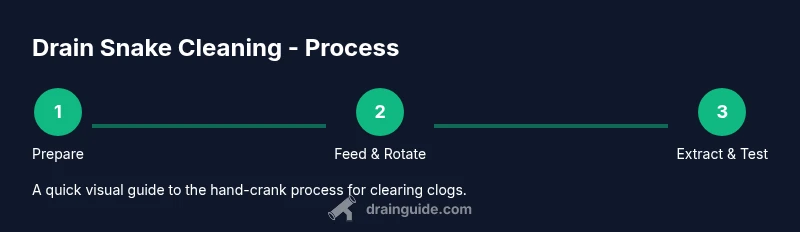
Here is a concise outline of the technique you’ll apply when you learn how to clean drain snake:
- Position the sink or bath over a bucket and remove the cap or access panel as needed.
- Begin with the snake’s tip just inside the drain opening and steadily feed the cable while turning the handle clockwise.
- When you meet resistance, rotate the cable slightly and push forward a little, then pull back to feel for debris.
- Once you’ve hooked or broken free the clog, carefully wind the cable back, keeping the line taut to avoid snagging.
- Clean the cable with a rag and inspect for remaining debris; reinsert if necessary until the water drains freely.
This approach minimizes damage and preserves seals while delivering direct mechanical force to break up the clog. Practice makes perfect, and staying patient is the key to success.
Common mistakes and how to avoid them
Common errors include forcing the cable when it meets resistance, which can bend or kink the cable or scratch the pipe. Using excessive force on stubborn clogs may damage rubber seals or trap threads. Another pitfall is removing the trap without securing the area or forgetting to place a bucket to catch water; this leads to a mess and potential spills. Avoid twisting the cable side-to-side as this can wrap the cable around obstructions rather than addressing them. Finally, avoid rushing: pausing to evaluate progress ensures you don’t overly rely on brute force.
Aftercare and storage to keep drains clear
After you finish, flush the line with warm water to clear any remaining debris. Wipe down the cable with a damp rag and allow it to dry completely before storage to prevent rust or corrosion. Coil the cable loosely and store the snake in a dry place away from direct sunlight. Regular maintenance, such as snaking every few months for heavy-use drains, can prevent buildup. If you notice recurring clogs in the same drain, consider addressing underlying issues like grease buildup or venting problems that may require professional assessment.
When to call a professional
Even with the best technique, some blockages require a professional assessment. Symptoms that warrant a pro include multiple slow drains across the house, sewage odors, persistent backups after snaking, or if you’ve already attempted basic snaking without success. A licensed plumber can perform more powerful investigations such as camera inspection, hydro jetting, or pipe repair. If you’re unsure about your pipe material or the presence of cast iron or lead pipes, seek professional advice before applying any more aggressive methods.
Tools & Materials
- Drain snake (hand-crank auger)(Choose a model with a 3–6 ft cable for sinks; 15–25 ft for main lines; 1/4–1/2 inch diameter depending on pipe size)
- Protective gloves(Nitrile or rubber; grip is important)
- Safety goggles(Protect eyes from splashes and debris)
- Bucket or container(To catch dirty water and debris)
- Channel-lock pliers(For gripping the auger head or pipe fittings if needed)
- Rags or towels(Clean up and wipe the cable after use)
- Dish soap or mild lubricant(For smoother insertion; avoid petroleum-based lubricants on rubber seals)
- Plumber’s tape or pipe dope(Optional for resealing joints after reassembly)
Steps
Estimated time: 30-45 minutes
- 1
Prepare workspace
Clear the area, lay towels, and position a bucket to catch water. Put on gloves and safety glasses. If you’re working under a sink, place the tray beneath to catch any drips and remove the trap if needed.
Tip: Have a helper hold the bucket while you inspect the drain. - 2
Select snake length
Based on the pipe size and location of the clog, choose a 3–6 ft cable for most sinks and showers; use longer lengths for main lines. Attach the appropriate head if your model allows interchangeable tips.
Tip: For beginners, start with a shorter length to gauge resistance and technique. - 3
Insert snake into drain
Insert the tip into the drain opening and begin feeding slowly. Keep the cable aligned with the drain to prevent kinking or scraping the sides of the pipe.
Tip: Use a steady, gentle feed rather than a hard shove to protect seals. - 4
Rotate and advance
Turn the crank clockwise while feeding the cable. When you encounter resistance, rotate a bit more and push forward, then pull back to feel for debris.
Tip: Work in small increments and avoid forcing through a stubborn clog. - 5
Retrieve and inspect
Slowly pull the cable back, wiping off debris as it comes free. If you still feel resistance, reinsert and try a slightly different angle or depth.
Tip: Use pliers to grip the end for removing stuck debris carefully. - 6
Test drain and clean up
Run warm water to test flow. If clear, reassemble the trap and clean the area. Store the snake in a dry place and wipe it down to prevent rust.
Tip: Keep the cable loosely coiled to avoid kinking during storage.
Got Questions?
What is the difference between a handheld drain snake and a motorized auger?
A handheld drain snake is manual and best for minor clogs; motorized augers offer more power for stubborn blockages but require more care to avoid pipe damage.
A handheld snake is for easy clogs, while motorized augers are for tougher blockages but need careful handling.
Can a drain snake damage pipes?
Yes, damage can occur if you force the cable, use excessive leverage, or work on sealed joints without proper caution. Always proceed slowly and inspect seals.
Yes, improper use can damage pipes or seals; proceed slowly and check joints as you go.
Do I need to remove the P-trap first?
Removing or temporarily unplugging the P-trap can improve access, but you can often work through the trap with care. If you’re unsure, start by inspecting the trap and proceed.
You can often work through the trap, but removing it can help access; proceed carefully.
How long should I run the snake during a single pass?
Feed the cable slowly, advance a few inches at a time, and pull back to assess. Don’t force it for long uninterrupted passes.
Feed slowly, move a few inches at a time, and pull back to assess progress.
When should I call a professional?
If multiple drains back up, sewage odors persist, or snaking hasn’t resolved the issue, a licensed plumber should inspect for deeper problems.
Call a professional if many drains are affected or you still have backups after snaking.
Is a drain snake the same as a plumber’s auger?
They are similar terms. A plumber’s auger is the professional version, but both describe cables used to clear clogs; sizes and heads vary.
They’re similar; auger is just the broader term and can imply professional-grade gear.
Watch Video
The Essentials
- Choose the right snake size for your pipe.
- Feed and rotate with steady pressure to break clogs.
- Inspect and clean the tool after each use.
- Test drain flow before finishing.
- Know when to call a professional for stubborn or multiple blockages.