How to Clean Shower Drain Pipe: A Homeowner's Guide
Learn safe, practical steps to clean a shower drain pipe. This guide covers tools, step-by-step actions, safety tips, and maintenance to prevent future clogs in your bathroom.


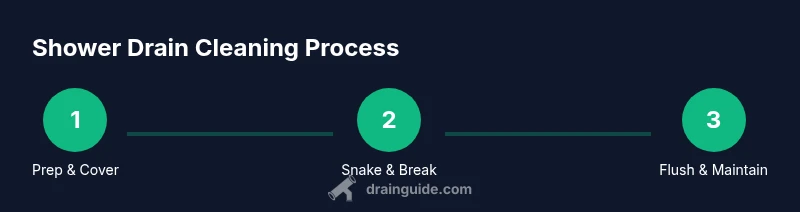
According to Drain Guide, cleaning a shower drain pipe starts by removing the drain cover and clearing hair and soap scum. If a clog remains, insert a drain snake to break it up, then flush with hot water. Afterward, disassemble the trap if accessible and clean it, finish with a baking-soda and boiling-water flush, and establish a regular maintenance routine.
Safety and planning before you start
Cleaning a shower drain pipe is a straightforward DIY task, but it requires care to protect you and your plumbing. Always wear rubber gloves and eye protection. Work in a well-lit area and have a bucket, towels, and a few rags ready. If you plan to use any chemical cleaners, read the label and ensure you ventilate the bathroom; never mix cleaners. If your home uses PVC piping or a metal trap, avoid aggressive tools that could nick or crack the pipe. Quick note: if you see water backing up into the shower or the toilet, stop and call a plumber; a venting issue or sewer line problem may be involved. Drain maintenance is easier when you build a simple routine: clear hair after every shower, keep a strainer in place, and flush with hot water weekly.
Safety first: never bypass protective gear, and work with the water off when disassembling any drain components. This keeps slip hazards down and reduces splash risk.
Understanding your shower drain pipe layout
Most shower drain configurations include a strainer, a trap (P-trap) below the floor, and a trap arm connecting to the wall drainpipe. In some modern homes, access panels or cleanouts allow direct inspection behind the shower wall. Knowing where the trap is and whether you have a cleanout will help you decide whether mechanical cleaning is possible without removing tiles. Hair, soap scum, and mineral buildup create a dense clog over time, especially in hard water areas. If an odor or gurgling sound is present, it’s a sign the trap or vent may be blocked. Before you begin, confirm you have safe access and a working water source to test after cleaning.
Pro tip: identify the trap location and any cleanout access before starting; this saves time and reduces guesswork.
Mechanical cleaning: when and how to use a drain snake
Mechanical cleaning uses a manual drain snake or auger to physically break apart clogs. Start by feeding the snake into the drain slowly, turning the handle to advance the coil and grab hair and debris. When you encounter resistance, pause and twist to work the obstruction free, then pull back slowly to remove debris. Remove and clean the head of the snake after each pass. Use the snake only in the drain and keep the distal portion away from the wall to avoid damaging PVC pipes. After breaking up the clog, reassemble any accessible components and test drainage.
Benefit: a snake can reach past the strainer and into the trap area without tearing out tiles.
Chemical cleaners: when it's appropriate and risks
Chemical cleaners can be effective for slow drains, but they carry risks for pipes, finishes, and septic systems. If you choose to use one, select a product designed for bathroom drains and follow the label precisely. Never mix chemical cleaners with other cleaners or with bleach; the chemical reaction can release dangerous fumes or damage metal components. In many cases, hot water followed by a mechanical flush is safer and just as effective for hair clogs. If you have a septic system, limit chemical use as these products can disrupt beneficial bacteria.
Caution: chemicals can damage PVC seals and may corrode metal parts if used improperly.
Natural methods: baking soda, vinegar, boiling water
An inexpensive, low-toxicity approach combines baking soda and vinegar followed by hot water. Start by pouring a cup of baking soda into the drain, followed by a cup of white vinegar. Let the mixture fizz for 10-15 minutes, then flush with hot (not boiling) water. Repeat if necessary. A final flush with very hot water helps dissolve soap scum and mineral residues. For a stubborn clog, pour boiling water after removing as much buildup as possible, but avoid boiling water on PVC joints if there is a risk of warping. These methods are best used as maintenance rather than primary cleaning for heavy hair clogs.
Pro tip: use these methods regularly to reduce soap scum and mineral buildup between deep cleans.
How to avoid recurring clogs: maintenance routine
Prevention is easier than repeated cleaning. Use a fine-mesh drain strainer to catch hair and larger debris. Clean the strainer after every shower and rinse the drain area with hot water weekly. Periodically flush the drain with a baking soda and boiling water combo. Keep a small stash of baking soda and white vinegar for quick maintenance and consider monthly or quarterly descaling if you live in a hard-water area. A simple routine saves time and reduces the risk of stubborn clogs.
Maintenance mindset: the goal is to minimize buildup so your next cleaning is easier and faster.
Troubleshooting water flow after cleaning
After the cleaning, run water for 30-60 seconds to verify flow. If water still pools or drains slowly, recheck the trap for remaining debris. If you can access a cleanout, remove and clean the plug. Do not force the pipe beyond its intended path; forcing can cause leaks or cracks. If gurgling persists, the issue might be venting or a deeper clog that requires a plumber.
When to call a pro
Consider calling a licensed plumber if you cannot clear the clog with a snake, if the clog recurs within a few weeks, or if you notice sewer gas, foul odors, water backing up into other fixtures, or significant water damage. A professional can inspect venting, check pipe condition, and advise on preventive measures like trap sealing or venting upgrades. Regular maintenance remains the best defense against costly clogs.
Tools & Materials
- Drain snake / auger(Choose a snake long enough to reach the trap; 3-6 ft is typical for showers)
- Rubber gloves(Protect skin from grime and cleaners)
- Goggles or safety glasses(Protect eyes from splashes)
- Bucket(Catch wastewater and debris)
- Old towels or rags(Absorb spills and drips)
- Scissors, small pliers, or locking pliers(Use to grab hair if snagging is difficult)
- Pliers or adjustable wrench(If you need to loosen or remove a trap cover)
- Hammer or screwdriver (for drain cover)(Only if the cover is stubborn)
- Vinegar and baking soda(For maintenance flushes)
- Boiling water(Careful with PVC joints)
Steps
Estimated time: 60-90 minutes
- 1
Remove the drain cover and prepare the area
Clear the area around the drain, place towels and a bucket nearby, and remove the drain cover to access the drain opening. This prepares you for debris removal and tool insertion without creating a mess.
Tip: Have a friend assist by catching water and passing tools to avoid spills. - 2
Put on safety gear and organize tools
Don gloves and eye protection before touching the drain or handling cleaners. Lay out the snake, bucket, rags, and pliers so everything is within easy reach.
Tip: Label containers if you use multiple cleaners to avoid mix-ups. - 3
Expose and inspect the trap area
Check if the trap or cleanout is accessible. If you can reach the trap, inspect for obvious hair clogs or mineral buildup before you snake the line.
Tip: If you see a trap with a plug, loosen it slowly to avoid sudden wastewater release. - 4
Insert the drain snake into the drain
Gently feed the snake into the drain, turning the handle to advance. Stop when you meet resistance, then rotate to break up the clog.
Tip: Maintain steady pressure; forcing too hard can push the clog deeper or damage pipes. - 5
Pull back debris and continue snaking
Retract the snake slowly, cleaning off any hair or gunk that clings to the head. Reinsert and repeat as needed until the clog loosens.
Tip: Wipe the head with a rag between passes to monitor progress. - 6
Flush with hot water and optional maintenance mix
Run hot water through the drain to flush out debris. For maintenance, consider a baking soda and vinegar flush or a hot water rinse.
Tip: Avoid boiling water on PVC joints if the pipe is old or cracked. - 7
Reassemble the trap and cover, then test
Reinstall any trap parts and cover the drain. Run water to confirm steady drainage and listen for any gurgling sounds.
Tip: If drainage is slow, repeat the snake process or check for trapped debris further down the line. - 8
Document maintenance and clean the area
Clean up the workspace, wipe down tools, and note your next maintenance date. A quick log helps you stay on top of future clogs.
Tip: Set a recurring reminder to perform this maintenance monthly or quarterly.
Got Questions?
What causes shower drains to clog most often?
Hair, soap scum, and mineral buildup are the most common culprits, especially in households with multiple showers. Regular maintenance helps minimize buildup that leads to clogs.
Hair and soap scum commonly clog showers; regular maintenance helps prevent it.
Can I use chemical drain cleaners on a shower drain?
Chemical cleaners can work but may damage PVC piping and septic systems if overused. Always follow label directions and avoid mixing with other cleaners.
Chemicals can work but use them cautiously and follow the label.
Should I remove the P-trap to clear a shower drain?
In many showers the P-trap is not easily accessible from the tub area. If you can access it safely, cleaning the trap can remove trapped debris; otherwise, professional help may be required.
Usually not necessary unless you can safely access the trap.
How often should I clean shower drain pipes?
Aim for a maintenance flush every 1-3 months, depending on hair volume, hard water, and usage. A regular routine reduces the likelihood of heavy clogs.
Regular maintenance every few months helps prevent big clogs.
Is it safe to use a drain snake on PVC pipes?
Yes, using a drain snake with gentle, controlled movements is generally safe for PVC. Avoid forcing it and stop if you encounter extreme resistance.
Yes, but don’t force the snake and keep movements controlled.
When should I call a professional?
Call a plumber if the clog persists after multiple snake attempts, if you notice sewer gas, or if you suspect venting problems or pipe damage.
If it won’t clear after several tries, call a professional.
Watch Video
The Essentials
- Remove the drain cover and clear debris first.
- Use a drain snake to break hair clogs, then flush with hot water.
- Maintain a monthly routine to prevent recurring clogs.
- Avoid hazardous chemical mixing and know when to call a pro.
- Test drainage after each cleaning to confirm success.