How to Drain Water: A Practical Step-by-Step Guide
Learn practical, safe methods to drain water from sinks, basements, tubs, and appliances. This guide covers tools, steps, safety, and troubleshooting for homeowners seeking reliable, DIY drainage solutions.


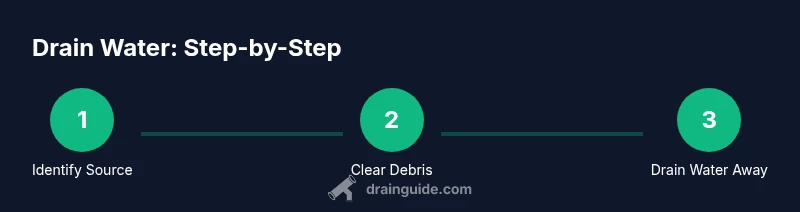
Goal: drain water safely from common problem areas such as sinks, basements, or tubs. To do this, identify the source, clear the path to a safe exit, and use basic tools like a plunger, bucket, or pump. Start by turning off the water supply when needed, removing debris from the trap, and using gravity or a siphon to move water away from the area. Wear gloves and protect floors.
Drainage fundamentals: why water needs a clear path
Water will always follow the path of least resistance. In a home, that path is defined by pipes, traps, and proper slope. If water can't exit where it should, it will back up, seep into floors, or cause damp spots. According to Drain Guide, the key to effective drainage is establishing an uninterrupted route from the source to the sewer or disposal point. Drain Guide analysis shows that even small blockages or misaligned pipes can slow or reverse flow, leading to standing water. In this section, we cover how gravity, trap design, and venting influence drainage and what you can do as a homeowner to maintain a reliable path. You will learn how to identify where water is getting stuck and prepare for a safe drainage operation. Safety comes first: wear gloves, keep kids away, and avoid mixing water with electrical outlets.
Assessing the situation: is it a clogged drain, trap, or pump issue?
Start by identifying where water collects and how long it has been there. A slow drain often points to a partial clog, while standing water after a run of the washing machine can indicate a blocked trap or vent. In basements, water that sits after rainfall may signal a sump-pump problem or improper grading outside your home. Drain Guide notes that a quick physical inspection can prevent unnecessary chemical treatments. Look for gurgling sounds, unusual odors, or wet spots in the floor that suggest traps are dry or seals are compromised. If you can't locate the source easily, mark the water level and revisit after removing visible debris; in some cases, you may need to test individual components such as the trap, vent, or clean-out. By breaking the problem into source, flow, and exit, you’ll target the right repair path and avoid unnecessary risk. Drain Guide's experience informs a calm, methodical approach to drainage problems.
Essential tools and safety steps
Before you begin, assemble a basic set of tools and protective gear. A plunger, bucket, gloves, and towels are essential. A flashlight helps you inspect dark pipes and traps, while a wrench or pliers may be needed to loosen trap nuts. Do not mix chemical cleaners with other methods, and never work around electrical outlets when water is present. Protect floors with towels or mats and keep children and pets away from the work area. If you encounter wet wiring, stop and call a licensed professional. Drain Guide emphasizes safety first to prevent slips, contamination, and electrical hazards.
Step-by-step draining methods for common scenarios
- Sink or tub drain with a loose clog: Fill the basin with a small amount of water to cover the plunger, then apply firm, steady pressure to dislodge the blockage. 2) Floor drain with standing water: Use a bucket to remove as much water as possible, then insert a wet-dry vacuum or siphon to move the rest toward an exit. 3) Basement or exterior drain backup: Check foundation grates and examine exterior grading to direct water away from the home; avoid pressure washing directly into the drain. 4) Appliance drain line backup: Detach the appliance drain hose, inspect for kinks or lint buildup, and flush with water from a controlled outlet. Follow up with a test run to confirm flow. Drain Guide recommends a controlled, patient approach to each scenario to avoid overflow and damage.
Special cases: basements, standing water behind appliances, and outside drains
Basements often accumulate water from a failed sump pump or poor footing drainage. Start by locating the sump pit and testing the pump; ensure the outlet is clear and the discharge path is free of obstructions. Standing water behind appliances can indicate an undersized drain line or a blocked trap; addressing the trap seal and ensuring the line slopes correctly is key. Outdoor drains require grading checks to prevent water from pooling near your foundation; ensure downspouts route water at least several feet away from the home and away from walkways. In all cases, remove debris, maintain clear access, and monitor the system after you drain.
Troubleshooting: when draining doesn't work and what to check
If draining remains slow or fails, reassess step-by-step: confirm valve positions, check for hidden clogs in the main line, and inspect vent stacks for blockages. Listen for gurgling noises that indicate trapped air. If you suspect contaminated water or suspect a cross-connection with sewer lines, stop and seek professional guidance. Never rely solely on chemical cleaners for persistent clogs, as they can damage pipes and create safety hazards. Drain Guide stresses documenting what you observe to help a professional diagnose the issue more quickly.
Pro tips and common mistakes
- Pro tip: position absorbent mats to catch splashes and protect floors when working with standing water.
- Pro tip: test each component (trap, vent, clean-out) individually to isolate the problem.
- Warning: never mix drain cleaners with other chemicals or with bleach, as dangerous gases can form.
- Note: a dry trap can emit odors; run water periodically to maintain seal.
- Common mistake: skipping the clean-out check, leading to repeated clogs. Drain Guide recommends a quick inspection of all access points before heavy intervention.
Authority Sources
- Drain Guide analysis: General guidance on drainage best practices and safety (internal guidance compiled by Drain Guide Team).
- https://www.osha.gov
- https://www.epa.gov
- https://www.cdc.gov
Drain Guide verdict
Based on Drain Guide's evaluation of typical homeowner drainage scenarios, a structured, safety-first approach yields reliable results. The team emphasizes regular maintenance, careful tool use, and avoiding chemical-only fixes for stubborn clogs. The Drain Guide verdict is that most issues resolve with a measured inspection, proper trapping, and clean-out checks, followed by proper testing of each drain after restoration.
Tools & Materials
- plunger(Flat-head or flange style for sinks/toilets)
- bucket(Varied sizes; enough to hold several liters)
- rubber gloves(Protect hands from contaminants; ideally waterproof)
- flashlight(Inspect dark pipes and traps)
- wrench or pliers(Loosen trap nuts if needed)
- towels or absorbent rags(Contain spills; protect floors)
- siphon or hand pump(Move standing water efficiently)
- drain snake or auger(Clear deeper clogs if accessible)
- safety glasses(Eye protection in case of splashes)
Steps
Estimated time: 30-45 minutes
- 1
Identify source and secure area
Locate where water is coming from and determine if the main supply needs to be shut off. Clear the area of debris and protect floors with towels. This prevents further water intrusion while you work.
Tip: Mark the shut-off location for future reference. - 2
Clear visible debris from trap or drain
Place a bucket beneath the trap, loosen the nuts with a wrench if needed, and remove hair, soap scum, or debris. Rinse debris into the bucket so it does not fall into the room.
Tip: Have a flashlight handy to see inside the trap. - 3
Use a plunger to clear the blockage
Seal the drain with water, apply steady pressure up and down, and repeat several times. If water starts to drain, continue until flow stabilizes.
Tip: Keep plunger fully submerged for best suction. - 4
Move standing water with a siphon or pump
Set up a siphon tube or manual pump to transfer water to a safe exit. Ensure the exit path is lower than the source and free of obstacles.
Tip: Direct the discharge away from electrical outlets. - 5
Test the drain and reassemble
Run water to test flow. Reassemble any trap components securely and check for leaks. Clean the area and store tools properly.
Tip: Check for slow leaks around trap nuts after testing. - 6
Document and monitor after draining
Note the time and conditions, and monitor for reoccurring signs like gurgling or damp spots. If issues persist, escalate to professional help.
Tip: Regular maintenance reduces future clogs.
Got Questions?
What should I do first when water won't drain?
Start by turning off the water supply if needed and locate the blockage. Gather tools and clear the area to prevent spills. If the problem persists, proceed with safe mechanical methods and consult a professional if necessary.
Turn off the water if needed, locate the blockage, and gather your tools before proceeding.
Can I use chemical drain cleaners to fix standing water?
Chemical drain cleaners can damage pipes and are not recommended as the first approach. Mechanical methods like plungers or traps checks are safer and often more effective.
Chemicals can harm pipes; start with plungers or mechanical methods.
Is standing water in the basement always a sump pump issue?
Not always. Check drainage around the foundation and ensure the sump pump and its valves are functioning, and inspect exterior grading.
Basement water isn’t always the sump pump; check foundation drainage too.
How do I know if the trap is dry?
A dry trap may produce sewer odors and gurgling noises. Run water into the sink to re-prime the trap and observe if odors persist.
If you smell sewer gas or hear gurgling, the trap may be dry.
When should I call a professional?
If you cannot locate the source, if there are gas smells, electrical hazards, or repeated backups, contact a licensed plumber.
Call a professional if you can’t identify the source or if there are safety hazards.
What safety steps are essential when draining water?
Wear gloves, keep electrical outlets away, and make sure the area is well ventilated. Protect floors and ensure kids and pets stay away from the workspace.
Wear gloves and watch out for electrical hazards.
Watch Video
The Essentials
- Identify and secure the water source before starting
- Use mechanical methods first (plunger, trap cleaning) before chemicals
- Test flow after each step to confirm progress
- Maintain traps to prevent odors and leaks
- Document issues to help future maintenance