How to Get Rid of Drain Worms
Learn safe, practical methods to remove drain worms from your drains and prevent re-infestation with step by step instructions, maintenance tips, and proven techniques for a healthier plumbing system.


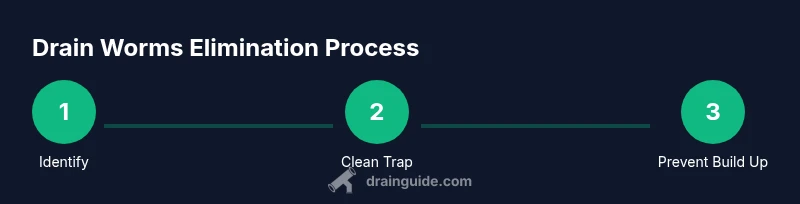
To get rid of drain worms, start with identifying the source of moisture and organic buildup in the drain. Flush with hot water, use enzyme-based cleaners, and physically remove clogs with a drain snake or brush. Maintain a weekly regimen of boiling water or baking soda and vinegar, and reseal traps to prevent future buildup.
What Are Drain Worms and Why They Infest Drains
If you're asking how to get rid of drain worms, the first step is understanding what they are. In most homes, what people call drain worms are either detritus worms that live in damp organic matter or the larvae of drain flies. These organisms are typically harmless themselves, but their presence signals excess organic material in your drain and a damp environment that invites further pests. You may see thin white worms wriggling in the trap or along the drain line, especially after periods of heavy use or after rainfall when sewer lines vent moisture into the system. The most common sites are kitchen sinks, bathrooms, and laundry drains where hair, soap scum, grease, and food particles collect. Addressing the root cause organic buildup and moisture will reduce breeding sites and make it easier to eliminate the nuisance. According to Drain Guide drain worm issues often stem from organic buildup in traps and slow drainage. By combining mechanical cleaning with routine maintenance, you can stop the cycle and keep drains fresh. Drain Guide emphasizes practical, step by step actions homeowners can take to regain control of their plumbing.
Common Causes and How to Verify Infestation
Drain worm presence is typically tied to three conditions persistent moisture slow drainage and organic buildup in pipes. Hair food scraps soap scum and grease accumulate in the trap and trap arm creating a food source for detritus worms or attracting the larvae of drain flies. To verify whether worms are actively breeding, look for a musty odor in the drain area, occasional clusters of small white worms around the trap, and the appearance of tiny black specks or webbing near the drain outlet. If you also notice adult drain flies or gnats circling the area, that’s a strong sign of ongoing activity. A simple hands on check is to remove the P trap and run water through the system to observe the flow; if sludge and debris back up or hang in the pipe, you’ve found a likely source. Drain Guide analysis shows that regular maintenance reduces infestation risk when you drain scrub and flush drains on a schedule rather than letting buildup accumulate.
Immediate Steps You Can Take Today
Take a practical, no guess approach to start improving conditions now. Begin by clearing the area and placing a bucket under the trap. Put on gloves and prepare a clean workspace. Next, remove the P trap, inspect for hair and slime, and set the trap aside for thorough cleaning. Clean the trap with hot water and a brush, rinse all parts, and dry before reassembling. Then flush the drain with boiling water to melt residue, followed by an enzyme based cleaner as directed on the label. Reassemble the trap and run water for several minutes to confirm steady flow and no leaks. If worms persist, repeat the cleaning and consider a more thorough pipe cleaning or professional help. Quick maintenance after today will reduce future visits by pests.
Safe Cleaning Methods That Work
Safe cleaning methods focus on removing buildup without harming pipes and septic systems. Enzyme based cleaners break down organic matter in drains while staying gentle on plumbing. Hot water flushes can help move debris down the line. Baking soda followed by vinegar creates a fizz that dislodges buildup but never mix with bleach or other caustic agents. If you choose peroxide as a supplemental treatment use a small amount and avoid mixing with other cleaners. Always read product labels and use products as directed. Regular maintenance reduces the chance of a new infestation by removing the food source that worms rely on. Drain Guide recommends gentle, proven methods over aggressive chemical cleaners that can damage pipes over time.
How to Inspect and Clean P Traps and Pipes
A thorough inspection starts with isolating the trap area. Place a bucket underneath the trap, loosen the slip nuts, and carefully remove the P trap. Examine the inside of the trap for hair, soap scum, and organic residue. Clean the trap with warm water and a bristled brush. Reinstall the trap making sure all seals are tight to prevent leaks. Inspect the trap arm and the section of pipe just beyond the trap for signs of buildup or standing water. If you notice persistent residue, consider using a flexible drain snake to clear the line further down the pipe. Dry and reassemble, then run water to verify smooth flow. This routine helps prevent future worm growth by keeping habitats clean and dry.
Long-Term Prevention and Maintenance
Prevention is easier than fighting an infestation once worms have settled in. Establish a monthly maintenance routine that includes running hot water down every drain, performing a deep clean of traps, and using enzyme cleaners to break down organic matter. Install hair catchers on sinks and showers to reduce debris reaching the trap. Keep kitchen drains clear of grease by wiping pans and disposing of grease in the trash. If you have a garbage disposal, grind small amounts of citrus peels or ice to help keep the blades clean and reduce odor. For households with consistent wet areas, consider a quarterly professional inspection to identify slow drains or venting issues before they become problems. The Drain Guide team recommends tracking your maintenance schedule and updating it seasonally to address changes in water use.
When to Seek Professional Help
If you continue to see worms after repeated cleaning, or if you notice foul odors, gurgling sounds, or pooling water around the drain, it may indicate a larger issue such as a partial sewer line blockage or venting problem. A licensed plumber can perform camera inspections, assess sewer line integrity, and address root causes beyond surface level cleaning. Do not ignore persistent infestations as they can signal drainage or venting problems that require professional intervention. Timely professional support can prevent further damage and restore proper flow more quickly.
Common Myths and Misconceptions
Some homeowners believe hot water alone cures all drain worm problems or that baking soda alone can dissolve tough clogs. In reality a combination of mechanical cleaning, enzyme treatment, and proper maintenance yields the best results. Chemical drain cleaners can harm pipes and septic systems over time, and they are not a reliable long term solution for worm problems. Another misconception is that drain worms are a sign of a dirty home; in most cases the issue is a drainage route that needs cleaning and ongoing care rather than a reflection of hygiene. Understanding the biology of the organisms helps you choose safer solutions and avoid unnecessary remedies. Drain Guide emphasizes practical strategies based on root causes rather than quick but ineffective fixes.
Tools & Materials
- Boiling water(Have readily available for fast flushes)
- Enzyme-based drain cleaner(Choose products labeled enzyme or bacteria based)
- Drain snake / auger(3-6 ft flexible snake is typical)
- Baking soda(Used with vinegar for gentle clarifying fizz)
- White vinegar(Optional for mild cleaning boost)
- Hydrogen peroxide (3%)(Use sparingly as a supplemental disinfectant)
- Gloves(Protect hands from residue and germs)
- Bucket(Catch water when removing traps)
- Flashlight(Inspect dark corners of pipes)
- Screwdriver or pliers(Loosen trap hardware if tight)
Steps
Estimated time: 60-90 minutes
- 1
Inspect the drain area
Examine the area around the drain for visible buildup and prepare your workspace. Put on gloves and place a bucket under the trap to catch any spills. Confirm you can access the P trap without forcing water back up the line.
Tip: Having a clear area saves time and reduces mess. - 2
Turn off water and remove the P trap
Loosen the slip nuts, carefully detach the trap, and let the water drain into the bucket. Inspect the inside for hair and sludge. Remove any visible debris with a brush or cloth.
Tip: Keep the trap level to prevent spills when removing. - 3
Clean the trap and pipe ends
Scrub the trap with hot water and a brush until it shines. Wipe the interior of the trap arm and the pipe end so no residue remains. Dry thoroughly before reassembly.
Tip: A clean trap prevents immediate recontamination. - 4
Flush with hot water and enzyme cleaner
Reattach the trap loosely and flush with boiling water to move debris. Apply the enzyme cleaner as directed by the label to digest lingering organic matter.
Tip: Enzymes work gradually; avoid rushing the process. - 5
Reassemble and test
Tighten all connections, run water for several minutes, and check for leaks. Observe that the flow is steady and the area dries quickly after flushing.
Tip: A slow leak is easier to fix now than later. - 6
Optional follow up with gentle baking soda treatment
Pour a cup of baking soda followed by hot water down the drain every few weeks to prevent buildup. This helps maintain a barrier against future worm habitats.
Tip: Consistency is more effective than rare heavy cleaning. - 7
Monitor and adjust maintenance schedule
Keep an eye on drain performance and odor. If you notice recurring problems, increase the frequency of maintenance and consider a professional assessment.
Tip: A simple calendar reminder can improve long term results.
Got Questions?
What exactly are drain worms and where do they come from?
Drain worms are usually detritus worms or drain fly larvae that thrive in damp, organic buildup. They indicate there is material in the drain that needs to be cleaned. Regular maintenance can prevent them from returning.
Drain worms are typically detritus worms or larvae found in damp organic buildup. Cleaning and maintenance prevent reinfestation.
Are drain worms dangerous to humans or plumbing?
They are generally not dangerous to people, but they signal unsanitary conditions and potential drainage problems. They can cause odors and slower drains if ignored.
They are usually not dangerous, but they signal a drainage problem that should be addressed.
Will enzyme cleaners kill drain worms?
Enzyme cleaners help break down organic matter that worms feed on and can reduce future infestations. They are part of a long term prevention strategy rather than a quick fix.
Enzymes reduce the food source but may not instantly eliminate existing worms.
How often should I clean drains to prevent reinfestation?
Aim for a regular routine such as monthly hot water flushes and enzyme treatments. Increase frequency if you notice slow drainage or odor.
A monthly routine helps prevent reinfestation.
Can baking soda and vinegar help with drain worms?
Baking soda and vinegar can help dislodge light buildup and freshen drains, but they should be used as part of a broader maintenance plan rather than as a sole solution.
They can aid in maintenance but are not a guaranteed fix.
Should I replace my P trap to stop drainage issues?
If the trap is damaged or cracked, replacing it can improve drainage and prevent leaks. For persistent worm issues, also check pipe alignments and venting.
Damaged traps should be replaced; inspect wider plumbing if problems persist.
Watch Video
The Essentials
- Identify root causes and eliminate organic buildup
- Use safe cleaners and mechanical removal first
- Maintain a regular cleaning schedule to prevent recurrence
- Inspect traps and pipes for signs of ongoing issues
- Seek professional help if problems persist