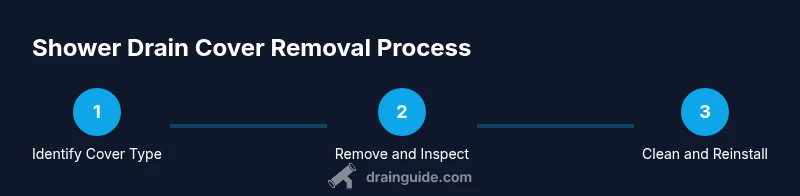
How to Remove Shower Drain Cover: A DIY Guide
Learn how to safely remove a shower drain cover, inspect the trap, clear debris, and reinstall correctly. This Drain Guide tutorial covers tools, safety, step-by-step actions, troubleshooting, and maintenance tips for DIY homeowners.


By the end of this guide you’ll confidently remove a shower drain cover, inspect the drain, clean debris, and reassemble it correctly. You’ll identify common cover types, gather essential tools, follow a clear step-by-step process, and test drainage to prevent future clogs. Drain Guide shares practical, safety-focused instructions for DIY homeowners.
What a shower drain cover does and why you might remove it
A shower drain cover acts as a small screen that catches hair, soap scum, and debris while letting water flow through. It protects the drain and helps prevent clogs, but it also makes routine cleaning harder. If your shower is slow to drain or you notice hair piling up at the grate, removing the cover to inspect the trap is a smart first step. This guide explains how to remove the shower drain cover safely, so you can clear blockages and spot damage early. According to Drain Guide, identifying the cover type and gathering the right tools are key to a smooth removal. With the cover off, you can access the drain throat and trap, where most clogs form, and decide on the best cleaning approach. The goal is a clear flow path and a secure, well seated cover on reassembly.
Brand note: Drain Guide emphasizes a calm, methodical approach to DIY drain work to minimize damage and improve long-term results.
Types of shower drain covers you may encounter
Shower drains come in several designs, and each type requires a slightly different removal approach. The most common are flat metal or plastic grates that rest on top of a ring or frame, screw in with small Phillips or slotted screws, and push in with a snap or clip that holds the cover in place. Some covers have a small access screw hidden under a cap, while others rely on a wedged lip you can lift with a thin tool. Identifying the type helps you choose the right tool and technique. If you are unsure, test the loosening method gently near the edge, watching for any resistance or rattle. Damaged or corroded covers may require special care to avoid scratching the surround.
Safety and prep: what you need to know before starting
Before you touch the drain, put on protective gloves and eye protection. Work on a dry surface or place towels to catch splashes. Clear the area of nonessential items to prevent slips. If your bathroom has a slippery floor, place a non slip mat. Make sure you have adequate lighting to see under the rim and inside the trap. Drain covers may hide sharp edges; proceed gently to avoid cuts. Drain Guide notes that a calm, methodical approach reduces accidents and makes cleanup easier. If your cover is heavily corroded or you smell sewer gas, stop and ventilate the area; long term odor or gas requires professional help.
Make sure you have the right setup before you start
Arranging your workspace makes the removal safer and faster. Lay down a towel or small tray to catch debris, drain away from the bathroom floor, and keep a bucket handy for water from the trap. Have your tools within reach: screwdrivers, pliers, a utility knife, a putty knife, a flashlight, gloves, and eye protection. If you anticipate a stubborn fastener, a small amount of penetrating oil can help after you loosen the first edge. Keep a clean cloth ready for wiping the rim and the inside of the drain. Having a plan for storing the removed cover and any screws prevents misplacing parts.
Step 1 — Remove the cover safely
Gently insert a thin flat tool under the lip of the drain cover and tilt upward to break the suction. If the cover is held by screws, switch to the appropriate screwdriver and remove them first. Do not pry hard or twist violently, which can crack the surround. Work slowly and keep hands away from the moving parts to prevent cuts. Image reference: Step 1 diagram.
Step 2 — Access the trap and identify debris
Once removed, look inside the ring for hair, soap scum, and mineral buildup. Use the flashlight to inspect the trap and bottom of the drain throat. If you see a U shaped trap, remove debris with gloved fingers or a brush, not your bare hands. Keep debris in the bucket. If screws or connections require loosening, use needle nose pliers. Image reference: Step 2 diagram.
Step 3 — Clean the drain and inspect for damage
Scrub the cover and rim with an old toothbrush and a mild cleaning solution. Rinse with warm water and dry. Inspect for cracks, rust, or missing gaskets. If damage is present, replace the cover rather than reinstall. Image reference: Step 3 diagram.
Step 4 — Reinstall the cover and reseal
Return the cover to its original orientation and press firmly to seat. Reinsert any screws and tighten them until snug but not over tight. If a gasket sits under the cover, ensure it sits evenly to avoid leaks. Run a quick test with a shower and observe flow. Image reference: Step 4 diagram.
Troubleshooting where the cover won t budge
If the cover is stubborn, apply a small amount of penetrating oil around the lip and wait a few minutes. Gently tap the edge with a rubber mallet to loosen without damaging the surround. If there is still resistance, stop and seek professional help to avoid cracking or injury. Image reference: Step 5 diagram.
Special cases and how to handle corroded or clip on covers
Some covers are part of a larger assembly and require specialized tools. For corroded screws, use brass or nylon tools to avoid marring chrome finishes. If mineral buildup has fused the cover to the frame, consider professional removal to prevent damage. Replacement gaskets or seals may be needed for a proper reseal. If removal risks damage, stop and contact a plumber.
Maintenance tips to prevent future clogs
Install a hair catcher or screen to reduce hair entering the trap. Clean the cover and rim weekly, and flush the drain with hot water or a mild cleaning solution to prevent soap scum buildup. Avoid mixing harsh cleaners with bleach, which can create fumes; always ventilate the bathroom during maintenance. Regular maintenance saves headaches and keeps water flowing freely.
When to call a professional
If you encounter persistent clogs, severe corrosion, broken components, or sewer gas smells, stop DIY work and call a licensed plumber. A professional can assess venting, verify trap integrity, and replace components safely. Early professional evaluation can prevent bigger, more expensive damage later.
Tools & Materials
- Rubber gloves(to protect hands from debris and chemicals)
- Safety goggles(protect eyes from splashes and debris)
- Flat-head screwdriver(for prying under lip or removing set screws)
- Phillips screwdriver(for screws found on some covers)
- Needle-nose pliers(grip and remove stubborn fasteners)
- Adjustable wrench(loosen nuts or fittings if present)
- Bucket or tray(catch water and debris)
- Old toothbrush or small brush(scrub buildup from grate and rim)
- Flashlight or headlamp(improve visibility under cover)
- Penetrating oil (optional)(aid loosening corroded parts)
- Plastic putty knife or scraper (optional)(gasket removal without damage)
Steps
Estimated time: 20-45 minutes
- 1
Prepare and safety check
Set up workspace, put on PPE, and clear the area. Ensure you have good lighting and a dry surface. This reduces slips and injuries and helps you see hidden edges clearly.
Tip: Wear gloves and goggles; keep children and pets away from the work area. - 2
Identify the cover type
Inspect the top design to determine if it is screw in, snap in, or wedged. Knowing the type guides your tool choice and technique and minimizes damage to the surround.
Tip: Take a quick photo for reference before you start removing fasteners. - 3
Loosen fasteners or edges
If screws are present, use the correct screwdriver to remove them. For screwless designs, gently pry around the edge with a flat tool to break suction.
Tip: Work slowly and keep your pry tool flat against the lip to avoid gouging the surrounding tray. - 4
Remove the cover
Lift the cover away from the drain. If it sticks, tilt slightly to release any suction. Place the cover in a safe spot so it won’t roll away.
Tip: Do not force the cover; excessive prying can crack the grout or surround. - 5
Access the drain trap
Look into the drain throat and the trap with a flashlight. Remove visible hair and debris using gloved fingers or a brush.
Tip: Keep debris in a bucket for disposal and avoid flushing it down the toilet. - 6
Clean the components
Scrub the cover, rim, and trap area with an old toothbrush and mild cleaner. Rinse thoroughly and dry before reinstallation.
Tip: Inspect the gasket or seal for wear and replace if needed. - 7
Inspect for damage
Check for cracks, rust, corrosion, or missing gaskets. Damaged parts can cause leaks or poor drainage after reassembly.
Tip: If uncertain about damage, compare to a spare cover or consult a professional. - 8
Reinstall the cover
Place the cover back in its orientation, press firmly to seat, and replace any screws. Ensure a clean, even seal to prevent leaks.
Tip: Hand-tighten first, then snug with a tool—don’t over tighten. - 9
Test drainage
Run a short shower to confirm water flows freely and there are no leaks around the rim or screws.
Tip: Listen for gurgling sounds which can indicate venting issues or partial blockages. - 10
Finalize and store tools
Wipe down the area, store tools, and dispose of debris properly. Keep a spare gasket and cover nearby for future maintenance.
Tip: Document any wear you found for future reference.
Got Questions?
Do I need to remove the shower drain cover to unclog it?
Not always. You can sometimes use a drain snake or plunger without removing the cover, but removing it often lets you remove hair from the trap and inspect for damage.
You can sometimes unclog without removing the cover, but removing it helps access the trap and identify the cause of the clog.
What tools do I need to remove a shower drain cover?
Essential tools include a flat-head and a Phillips screwdriver, needle-nose pliers, a putty knife or scraper, a flashlight, gloves, and a bucket for debris.
You’ll typically need screwdrivers, pliers, a flashlight, gloves, and a bucket.
What should I do if the cover won’t budge?
Apply a small amount of penetrating oil around the lip and wait a few minutes. Gently tap with a rubber mallet if safe, or seek professional help if it remains stuck.
If it won’t budge, apply oil, wait, and tap gently. If it stays stuck, contact a professional.
How should I clean and inspect after removal?
Scrub the cover and rim, rinse, and dry. Check the drain trap for hair and buildup, and look for cracks or worn seals that need replacement.
Clean the parts, check for wear, and replace if needed.
When should I call a plumber?
If you detect persistent clogs, damaged parts, or sewer gas, stop DIY work and contact a licensed plumber for a safe assessment and repair.
Call a plumber if you have persistent clogs or sewer gas, or if parts look damaged.
The Essentials
- Identify cover type before removal
- Use the right tools to avoid damage
- Inspect the trap for hair and buildup
- Reinstall with a secure, even seal
- Know when to call a professional