How to Remove a Sink Drain Plug: A Practical DIY Guide
Learn to safely remove a sink drain plug in kitchen or bathroom sinks. Identify plug types, gather essential tools, and follow clear, step-by-step methods to inspect, clean, and reassemble without leaks or damage.


You will learn how to safely remove a sink drain plug from a kitchen or bathroom sink. This guide covers detecting plug types, gathering common tools, and step-by-step methods for pop-up, lift-and-turn, and toe-tap plugs. Expect a 15–30 minute task depending on corrosion or clog severity.
Why removing a sink drain plug matters
According to Drain Guide, removing a sink drain plug is a common maintenance task that helps keep drains flowing smoothly. A plugged or partially blocked drain often results from hair, food particles, soap scum, or mineral buildup near the trap. Removing the plug to inspect the area behind the stopper gives you direct access to the rubber gasket, the pivot rod, and the trap itself, making it easier to clean and reassemble without resorting to harsher chemicals. This understanding is crucial for both kitchen sinks and bathroom basins, where different plug mechanisms exist and where improper reassembly can lead to leaks. In this section, we’ll outline why a careful, deliberate removal is preferable to forcing the plug, and how routine checks can extend the life of your drain system. You’ll learn to recognize warning signs—such as persistent slow draining, unusual odors, or water pooling under the cabinet—that indicate it’s time to remove and service the plug. Throughout, the goal is to empower homeowners to inspect, remove, and reassemble with confidence, preserving the seal and preventing water damage.
Types of sink drain plugs explained
Sink drain plugs come in a few common styles, and identifying yours is the first step to successful removal. Pop-up plugs are connected to a lift rod under the sink and are activated by a lever or knob at the faucet. They are designed to seal by raising and lowering a stopper that sits inside the drain. Lift-and-turn plugs rely on a threaded cap or ring you twist to drain; they’re straightforward but can seize with mineral buildup. Toe-tap or push-pull plugs use a small button or cap you tap with your toe to close the drain; these are popular in older homes and are removed by twisting or pulling. Finally, some sinks use removable stoppers that sit loosely in the drain; these can be pulled out with pliers if they’re accessible through the overflow or the vertical opening. Each style has distinct access points and linkage hardware; understanding which one you’re dealing with will guide your tool choice and the disassembly order. If you’re unsure, start with a quick visual check under the sink where the linkage attaches to the stopper.
Safety considerations before you begin
Before you touch the drain, prepare a clean, dry workspace and protect your floor from splashes. Put on gloves to shield your hands from grime and sharp edges, and keep a bucket or pan handy to catch water when you loosen the trap or the plug. If you see corrosion or flaky metal, avoid prying or forcing parts; analog labeling and the correct tool are safer than brute force. If your home has older pipes, be mindful of rust and potential leaks behind the cabinet; a flashlight helps you see joints clearly, and penetrating oil can loosen stubborn fasteners with a 5–10 minute soak. It’s also wise to shut off the water supply to nearby fixtures if you suspect a leak, and never mix cleaning chemicals in a confined space. Finally, consider protecting the countertop and cabinet interior with towels to catch spills. These precautions reduce slip hazards and prevent accidental damage to pipes, gaskets, or the stopper linkage during removal.
How to identify the plug type under the sink
Start by opening the cabinet doors and locating the vertical rod or linkage that connects to the stopper. If you see a metal rod with a clip, you’re likely dealing with a pop-up assembly; the rod moves when you operate the faucet lever to raise or lower the stopper. If there is a threaded ring that you twist to tighten or loosen, you probably have a lift-and-turn plug. Toe-tap plugs often have a small button or cap near the drain rim that you press to seal; you may need to reach up and turn or pull the stopper from above or below. If the stopper sits inside the drain without visible linkage, it could be a removable stopper that you extract with pliers or a hemostat. As you identify the plug type, inspect the gasket and the trap for signs of cracks or wear. Confirm the order of disassembly: first the linkage, then the stopper, then the trap and any washers. The goal is to plan a safe, step-by-step removal that preserves seals and avoids leaks.
Common challenges and quick fixes
A stuck or corroded plug is the most common hurdle. If you can’t lift the stopper with your fingers, use slip-joint pliers or needle-nose pliers, applying steady, even pressure. If threads or gaskets are corroded, consider applying penetrating oil and letting it sit for several minutes before retrying. When the plug is tied to a linkage rod, a loose but accessible nut may be the problem—try loosening it slightly and retightening after you remove the stopper. If you notice a persistent gurgle or slow drain even after removing the plug, the problem may be in the trap or drain line rather than the stopper itself; you may need to clean or replace the P-trap, or use a plumbing snake to clear hair and buildup beyond the trap. Finally, if there is a leak after reassembly, double-check the gasket and ensure the ring or cap sits evenly on the drain flange. By recognizing these obstacles early, you can choose the right tool and avoid unnecessary damage.
Maintenance and prevention after removal
After you remove and inspect the plug, take a few minutes to clean the area behind the stopper and the trap. Remove hair and soap scum with a damp rag, and wipe the gasket surfaces dry before reassembling. Periodically apply a small amount of plumber’s grease to moving parts (but avoid over-lubricating seals). Consider replacing worn gaskets or washers if you notice water seepage around the drain. For kitchen sinks, be mindful of food debris and use a sink strainer to minimize future clogs; for bathroom sinks, use a hair catcher in the overflow area if present. Regular checks every 6–12 months can catch wear early and prevent more costly repairs. Finally, reassemble with care—tighten connections evenly and avoid over-tightening which can crack the plastic or metal parts. When you’re finished, test the drain by running water and observing for leaks around the seal. A properly resealed drain helps avoid slow drainage or water damage in the cabinet.
Tools, workspace, and setup
Your toolkit should include both core and optional items to handle most sink plug removals. Core items: adjustable wrench, needle-nose pliers, screwdrivers, a bucket, towels, gloves, and a flashlight. Optional items: penetrating oil, replacement washers, silicone sealant, and plumber’s putty. Create a clean, dry workspace in front of the sink and place a bucket or pan under the trap to catch water. If you expect to work behind the cabinet, consider laying down a towel or mat to protect the cabinet floor. Take photos during disassembly so you can reassemble accurately. If you encounter a stubborn plug, a small amount of penetrating oil can help loosen rusted parts; let it sit for 5–10 minutes before retrying. Careful preparation reduces the risk of accidental damage and makes the removal process smoother.
When to call a professional and what to expect
If you encounter persistent leaks, corrosion, or you cannot access the plug safely, it’s wise to contact a licensed plumber. A professional can diagnose whether the problem is the stopper assembly, a damaged gasket, a clogged trap, or a deeper drainage issue. They may perform a pressure test to locate leaks, replace worn seals, and clear stubborn blockages. For many households, the decision to hire a pro comes down to time, the age of the plumbing, and the risk of water damage in the cabinet. The Drain Guide team recommends trying the basic removal and inspection steps first, but if there’s any sign of compromised pipes or recurring leaks after reassembly, calling a pro is the prudent choice to protect your home.
Tools & Materials
- Adjustable wrench(Set to fit the widest nut on the plug assembly)
- Pliers (needle-nose preferred)(Grip small parts and loosen tight components)
- Screwdrivers (Phillips and flat-head)(For screws in different plug styles)
- Bucket or pan(Catch water from the trap when disassembling)
- Towels or rags(Keep area dry and collect drips)
- Flashlight(Inspect hard-to-see areas under the sink)
- Penetrating oil(Loosen rusted parts; allow 5–10 minutes of soak time)
- Replacement gaskets or washers(On hand if wear is found during reassembly)
- Gloves(Protect hands from grime and sharp edges)
- Plumber’s putty or silicone sealant(Optional for resealing if needed)
Steps
Estimated time: 15-30 minutes
- 1
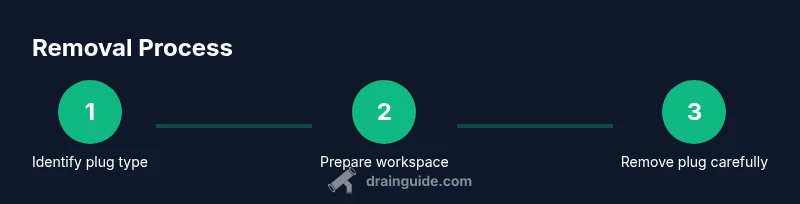
Identify plug type and plan disassembly
Inspect the stopper and linkage under the sink to determine whether you have a pop-up, lift-and-turn, toe-tap, or removable stopper. Document findings with a quick photo before you begin. This helps ensure you use the correct tools and disassembly order.
Tip: Taking a photo now prevents confusion when reassembling. - 2
Clear the workspace and protect the area
Move aside items from under the sink and place a bucket or tray beneath the trap. Lay towels to catch spills and wear gloves to avoid grime. This step reduces mess and protects surrounding surfaces.
Tip: A clean, dry workspace minimizes the risk of losing small parts. - 3
Loosen the linkage or fastener
From under the sink, locate the pivot rod or linkage that connects to the stopper. If there’s a clip, pry it gently to release the rod; if there’s a nut, loosen it enough to free the stopper without dropping parts into the drain.
Tip: Support the stopper from above as you loosen components to prevent it from dropping. - 4
Remove the stopper plug
Carefully pull or unscrew the stopper using the appropriate tool, depending on your plug type. If it’s stubborn, apply penetrating oil and wait a few minutes before retrying.
Tip: Avoid forced pulling; increasing leverage slowly reduces the risk of damage. - 5
Inspect and clean the trap and gasket
With the plug removed, inspect the trap and any gaskets for signs of wear, cracking, or buildup. Remove hair and soap scum and wipe surfaces dry before reassembly.
Tip: A clean gasket ensures a reliable seal and reduces future leaks. - 6
Reassemble and test the drain
Reattach the stopper and linkage in the correct order, ensuring all fasteners are snug but not overtightened. Run water to verify a proper seal and absence of leaks.
Tip: Test both slow and fast water flow to confirm no drips.
Got Questions?
What tools do I need to remove a sink drain plug?
Most removals require basic hand tools: an adjustable wrench, needle-nose pliers, screwdrivers, a bucket, towels, gloves, and a flashlight. For stubborn parts, penetrating oil can help. Gather these before you start to save time.
You’ll want basic pliers, wrenches, screwdrivers, a bucket, towels, gloves, and a flashlight. Penetrating oil can help with stubborn parts.
How do I remove a stuck pop-up plug without damaging the pipe?
Gently work the linkage free with the appropriate tool, applying steady pressure. If the plug doesn’t loosen, apply a small amount of penetrating oil and wait 5–10 minutes before retrying. Do not force the stopper, as that can damage the threads and seals.
Carefully loosen the linkage with the right tool, apply oil and wait a bit if needed, and never force it.
Do I need to remove the entire trap to reach the plug?
In most cases, you can access the stopper without removing the entire trap. If you do need to service the trap, loosen the slip nuts and let the water drain before detaching.
Usually not—the stopper can be accessed without taking out the whole trap, but if needed, loosen the trap nuts first.
Can I reuse old washers after removing the plug?
If the washer or gasket shows wear or damage, replace it. A worn seal can cause leaks even after you reassemble the plug correctly.
Check the washer; replace if worn to prevent leaks.
What if water continues to drain slowly after removal?
Slow drainage after removal can indicate a deeper clog in the P-trap or drain line. Use a snake or call a professional if you cannot clear the blockage.
If slow drainage persists, the clog may be deeper; consider using a snake or getting professional help.
Watch Video
The Essentials
- Identify plug type before disassembly
- Prepare workspace to prevent spills
- Inspect gaskets and trap for wear
- Test for leaks after reassembly
- Keep notes/photos for accurate reassembly