How to Unscrew the Bathtub Drain: A Step-by-Step Guide
Learn how to unscrew the bathtub drain safely with a clear, step-by-step approach. This Drain Guide tutorial covers identifying drain types, essential tools, troubleshooting stuck drains, and maintenance tips to prevent future clogs and leaks.


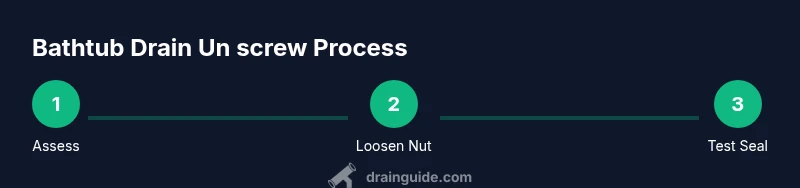
To unscrew the bathtub drain, turn the drain nut counterclockwise and use a basin wrench or pliers if it’s stubborn. Protect the finish with a rag and apply penetrating oil if corrosion is present. According to Drain Guide, most tub drains rely on a threaded flange and slip-nut, and you’ll complete the job with a clean seal and tested stopper.
Preparation and Safety
Preparing for a drain unscrew project reduces mess and damage. Start by removing all bath mats and towels, and place a towel or small bucket under the drain to catch water. Put on gloves and eye protection, and consider a rubber plug to seal the overflow if water is still present. According to Drain Guide, taking these precautions helps prevent skin irritation from cleaners and minimizes water splashes that could damage nearby finishes. If you’re unsure about electrical fixtures nearby, power off at the breaker and keep water away from outlets. A dry work area makes it easier to identify the drain type and reduces the chance of dropping tools into the tub. After you set up, you’re ready to identify the drain style and plan your approach.
Identification and planning
Inspect the area for corrosion and wear
Safety-first checklist
Tool familiarity and workspace layout
Establish a backup plan if the drain won't budge
Tools & Materials
- Rubber gloves(Protect hands and grip better when wet)
- Goggles or protective glasses(Prevent splashes from reaching eyes)
- Bucket or towel to catch water(Manage spills during removal)
- Penetrating oil (e.g., WD-40 or similar)(Loosen corrosion on metal parts)
- Basin wrench or adjustable pliers(Grip and turn stubborn nuts without damaging chrome)
- Screwdriver (flathead and Phillips)(Remove stopper screws or faceplate if present)
- Putty knife or scraper(Loosen old sealant around drain flange)
- Replacement washer/gasket and plumber’s tape(Seal the drain after reassembly)
- Old towel or rag for finish protection(Protect the chrome and finish from scratches)
Steps
Estimated time: 45-60 minutes
- 1
Assess and prepare the workspace
Clear the area, unplug electrical items nearby, and place a bucket under the drain. Check for standing water and remove the stopper if accessible. This initial assessment helps you determine whether you’re dealing with a simple slip-nut drain or a more complex assembly.
Tip: Take a quick photo of the drain setup before disassembly for reference. - 2
Protect the finish and cover the overflow
Wrap a rag around the drain flange to protect chrome and use painter’s tape if needed. If your tub has an overflow plate, consider removing it or covering it to keep water from dripping behind walls. This protects finishes and keeps debris out of the overflow cavity.
Tip: If you must remove the overflow plate, note how the screws come out to avoid misplacement. - 3
Loosen the stopper mechanism
If your tub uses a stopper, locate its linkage under the stopper and back it away from the drain. In many cases, loosening the stopper will free the internal mechanism so you can access the drain nut more easily.
Tip: Apply a small amount of penetrating oil to the linkage joints and allow it to penetrate. - 4
Loosen the drain nut or retaining ring
Using a basin wrench or adjustable pliers, grip the drain nut and turn counterclockwise. If the nut is recessed or corroded, apply more penetrating oil and pause briefly between attempts to avoid stripping.
Tip: Work in short increments and wipe away residue to monitor progress. - 5
Address rust and corrosion
For stubborn corrosion, reapply penetrating oil and gently tap the nut with a rubber mallet to loosen without damaging threads. If the flange is heavily corroded, do not force it—consider replacing the drain assembly.
Tip: Avoid using metal hammers directly on chrome to prevent dents. - 6
Remove the drain flange and gasket
Once the nut is loose, lift out the drain flange. Inspect the gasket or washer for wear and replace if necessary. Keep a bucket underneath to catch any residual water and debris.
Tip: Keep track of the order of parts so reassembly is straightforward. - 7
Clean and inspect threads
Wipe threads clean with a rag; remove rust using a non-abrasive pad if needed. If threads are damaged, you may need professional replacement of the drain body or flange.
Tip: Avoid metal brushes on chrome or plastic threads; choose a gentle pad instead. - 8
Reassembly and test
Reinstall the drain flange with a new gasket, reattach the stopper linkage, and tighten the nut by hand before finishing with the basin wrench. Refill the tub, run water, and check for leaks around the flange and stopper.
Tip: Hold the flange steady while you tighten to ensure a uniform seal.
Got Questions?
Why is my bathtub drain stuck and won't unscrew?
Most drains get stuck due to corrosion or overtightening. Apply penetrating oil, let it soak, and use a basin wrench carefully. If it won’t budge after several attempts, avoid forcing and consider replacement.
A stuck drain is usually corrosion or overtightening. Apply penetrating oil and use a basin wrench gently; if it still won’t budge, consider replacement.
Can I unscrew the drain without removing the overflow plate?
Often you can access the drain nut from above, but some tubs require removing the overflow cover. If the overflow plate blocks access, remove it following manufacturers’ screws and reassemble carefully.
Usually yes, but some setups need the overflow plate removed for access.
What should I do if the threads are damaged?
Damaged threads usually mean replacing the drain assembly is the safest option to prevent leaks. Attempting to thread a damaged nut may lead to further damage.
If threads are damaged, replacement is the safer route.
Is penetrating oil safe on plastic drains?
Yes, when used sparingly and followed by wiping away excess. Choose a product compatible with plastic parts and avoid lingering residue.
Penetrating oil is generally safe on plastic if used sparingly and wiped clean afterward.
Do I need plumber’s tape or silicone after reassembly?
Applying plumber’s tape to threaded connections or silicone around the edge can help seal joints and prevent leaks. Follow the drain manufacturer’s recommendations for best results.
Yes, use tape on threads or silicone where appropriate to seal joints.
Watch Video
The Essentials
- Identify drain type before attempting removal.
- Protect finishes and use penetrating oil on stuck parts.
- Replace worn washers to prevent leaks after reassembly.
- Test thoroughly for leaks and proper stopper operation.
- If corrosion or damage is severe, consider replacement instead of forcing a repair.