Install Drain Channel: A Practical Step-by-Step Guide
Learn how to install a drain channel safely and effectively, from planning and design to bedding, mounting, testing, and maintenance. Drain Guide provides a clear, DIY-friendly approach for homeowners.


By the end of this guide, you will be able to install a durable drain channel from planning through testing. You’ll assess site conditions, choose a suitable design, prepare a stable base, lay sections, connect to the drainage system, and install a grate with a watertight seal. Expect to handle basic carpentry and plumbing tasks safely.
Planning the Drain Channel Installation
Installing a drain channel starts with solid planning. Determine the purpose (surface runoff, driveway edging, or shower drainage), assess water volume, and map the path from inlet to outlet. This pre-work helps you choose the right channel type, material, and grate rating. Drain Channel installations should align with local codes and existing drainage rules. According to Drain Guide, thorough planning reduces the chance of ground settlement and future leaks when installing a drain channel. A clear plan also helps you estimate the base bedding depth and trench width, which prevents over-excavation or under-supported channels. In 2026, homeowners increasingly prefer trench-style channels for long runs because they offer consistent slope and better load dispersion, especially in outdoor settings. Use a simple sketch or digital layout to visualize the run and to confirm utilities are clear before digging.
Choosing the Right Drain Channel Design
Channel design choices depend on location, load, and exposure. For patios and driveways, consider a trench drain with a grated cover to tolerate vehicle traffic. For interior showers or utility rooms, a low-profile channel with a sealed joint reduces tripping risk and improves hygiene. Materials range from concrete and steel to high-density polyethylene (HDPE) and PVC. Each material has its pros: concrete is durable but heavy; HDPE is lightweight and flexible; PVC is easy to work with and resistant to chemicals. When choosing, evaluate the surface slope, expected lifespan, and maintenance needs. Drain Guide’s team notes that selecting the right design up front minimizes later adjustments, patchwork, and premature replacement. Always verify that the chosen design meets local drainage requirements and frost considerations if you’re in colder climates.
Tools, Materials, and Safety Essentials
Before you dig, gather tools and materials in a dedicated kit. You’ll need a measuring tape, level, string line, shovel, trowel, and cutting tools for channels. Prepare the drain channel segments (HDPE or concrete) and base bedding material (gravel or crushed rock). Bonding agents, adapters, and a grate or cover are essential for a complete install. Safety should be your priority: wear gloves, eye protection, sturdy boots, and hearing protection if you’re cutting or breaking concrete. Drain Channel installations can carry significant weight and involve trench work, so plan for a stable work environment, good lighting, and clear drainage during testing. Drain Guide emphasizes keeping the workspace organized to avoid misplacement of parts and ensure clean joints.
Planning Sub-base and Installation Layout
The sub-base sets the foundation for the channel and determines long-term performance. Excavate to a depth that accommodates the channel height plus bedding. Create a compacted base using gravel or crushed stone, then compact firmly to provide a stable, level plane. Use a string line and level to confirm a uniform slope that runs from inlet toward the outlet. Align channel sections end-to-end using proper connectors, ensuring joints are clean and dry before bonding. If you’re working in cold weather, protect the trench from freezing soil that could shift the base and create misalignment. Drain Guide highlights that a well-bedded base prevents future gaps and settlement, preserving channel integrity over time.
Step-by-Step Overview and Context
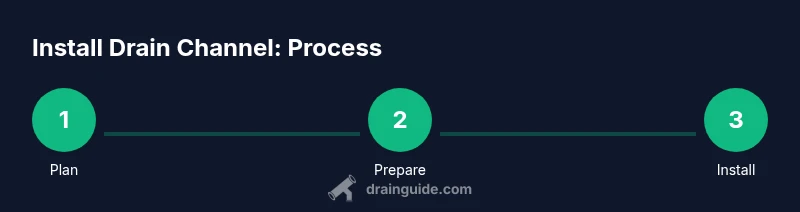
A successful install blends planning, precise trench work, and careful assembly. The steps below guide you through site preparation, base bedding, channel placement, joint sealing, grate installation, and testing. While this block expands on the process, your main step-by-step section (below) provides actionable actions with explicit time estimates and safety cues. The goal is a continuous, unobstructed flow path with a secure grate and a watertight seal. Drain Guide’s research underlines that methodical execution reduces rework and prolongs channel life, making the project more satisfying for DIY homeowners.
Maintenance, Testing, and Initial Fill
Once the drain channel is installed, you must test for leaks and ensure full drainage. Run water through the inlet and observe the channel and joints for any seepage. If you notice leaks, reseat joints or add sealant per the manufacturer’s instructions. Backfill the trench carefully, tamping in stages to avoid shifting the base. After backfilling, conduct a final water test to confirm steady flow and check for surface pooling around the grate. Regular maintenance—removing debris, flushing the line, and inspecting joints—will extend the life of the channel and maintain performance. Drain Guide recommends routine checks to prevent clogs and ensure the system continues to function as designed.
Permits, Codes, and Professional Help
Local permits and codes vary by jurisdiction, so consult your building department before starting. Exterior drainage installations may require inspections or approvals, especially for long runs or connections to public mains. If your site involves heavy loads, complex grading, or proximity to utilities, consider hiring a licensed plumber or drainage contractor. An expert can confirm trench depth, bedding, joint sealing, and drainage outlet compatibility with your property. Drain Guide suggests that homeowners weigh safety, code compliance, and long-term performance when deciding whether to DIY or hire a pro.
AUTHORITY SOURCES
- U.S. Environmental Protection Agency (EPA): https://www.epa.gov/green-infrastructure
- University extension resources: https://extension.illinois.edu/
- Occupational Safety and Health Administration (OSHA): https://www.osha.gov
Tools & Materials
- Measuring tape(At least 2 meters long)
- Shovel or trenching tool(For trench digging and base work)
- String line and level(To establish slope and alignment)
- Drain channel segments (HDPE or concrete)(Sized to run length; check joints)
- Gravel or sub-base material(For base bedding and compaction)
- PVC cement and adapters(For reliable joints)
- Grate or inlet cover(Load-rated as required by location)
- Safety gear (gloves, eye protection, boots)
- Silicone sealant or gasket (optional)(Extra sealing for certain joints)
- Water or dye test supplies(For leak testing)
Steps
Estimated time: 90-150 minutes
- 1
Assess site and design
Evaluate the drainage needs, surface area, and flow. Sketch the route from inlet to outlet and decide on channel type and grate rating. Confirm utilities and set a clear plan for trench width and depth.
Tip: Use a string line and level to mark the intended slope; plan for a slight downward grade toward the outlet. - 2
Mark and excavate the trench
Dig the trench to the required depth and width, leaving extra space for bedding. Remove soil in manageable piles and avoid over-digging. Check for any underground utilities before proceeding.
Tip: Dig slightly wider than the channel to allow for base bedding and adjustments. - 3
Prepare the base bedding
Spread a compactable gravel base to create a stable, level platform. Use a tamper or plate compactor to achieve a solid, even surface that supports the channel over time.
Tip: Aim for a uniform thickness and level surface to prevent channel misalignment. - 4
Dry-fit channel sections
Layout the channel pieces along the trench without bonding to check fit, alignment, and slope. Trim as needed before bonding.
Tip: Dry-fit first to avoid rework when bonding is difficult. - 5
Bond and seal joints
Apply solvent cement or adhesives per manufacturer instructions. Clean joints before bonding and ensure an airtight seal to prevent leaks.
Tip: Follow cure times exactly; rushing can weaken joints. - 6
Install grate and secure
Position the grate flush with the surrounding surface and fasten according to the product design. Check for smooth edges to minimize tripping risk.
Tip: Test gravity flow after installing the grate before backfilling. - 7
Test drainage and seal leaks
Fill the channel with water from the inlet and inspect all joints for leaks. If leaks appear, reseat joints or apply additional sealant as needed.
Tip: Use a dye test to easily spot small leaks in joints. - 8
Backfill, finalize, and clean up
Backfill the trench in stages, compacting as you go. Level the surface and ensure the grate remains flush. Clean the area and dispose of any excess material responsibly.
Tip: Keep the area tidy to avoid debris in the channel during first rains.
Got Questions?
Do I need a permit to install a drain channel?
Permit requirements vary by jurisdiction. Check with your local building department before starting any exterior drainage work, especially for long runs or connections to public mains.
Check with your local building department before starting.
What slope should drain channels have for proper drainage?
Maintain a consistent downward slope from inlet to outlet and follow local code requirements to ensure effective drainage.
Keep a steady downward slope along the channel.
Can I install a drain channel in an existing lawn?
Yes, but you’ll need to excavate, create a stable base, and rework edges to prevent root damage and erosion.
Yes, but plan for a stable base and proper edging.
What tools are essential for this task?
Basic hand tools plus cutting and bonding equipment; always wear safety gear.
Have the basics and safety gear ready.
How do I test for leaks after installation?
Fill the channel with water, observe joints for seepage, and monitor for leaks over a short period.
Fill and watch for leaks across joints.
What maintenance is required after installation?
Regular inspections and periodic cleaning to prevent clogs and material buildup.
Inspect and clean regularly to prevent clogs.
Watch Video
The Essentials
- Plan before you dig to map the drainage path
- Choose a channel design that suits load and exposure
- A well-compacted base and proper slope prevent future problems
- Test all joints and seals after installation