Is Mega Drain a Good Move? A Practical Homeowner Guide
Discover whether Mega Drain is worth it for home drainage issues. Drain Guide weighs effectiveness, cost range, maintenance, and practical alternatives for homeowners.


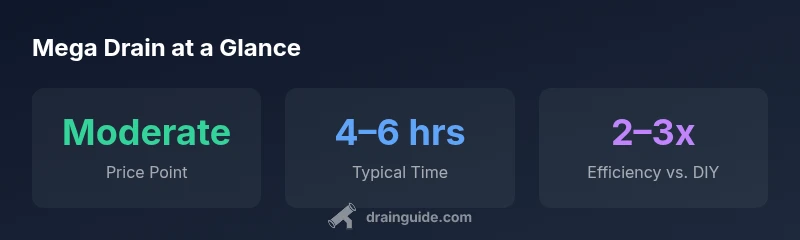
Mega Drain promises quick clog clearance and long-term preventive benefits, but its value depends on your home's condition and your budget. For many homeowners, the upfront cost and ongoing maintenance can offset the savings from fewer service calls. Evaluate your current pipes, usage, and risk tolerance before committing. Compare local warranties and return options.
What Mega Drain is (and isn't)
Mega Drain is a branded approach to drainage management that blends targeted cleaners with practical maintenance steps. According to Drain Guide, it works best as a supplemental tool rather than a universal cure for every clog. The core idea is to reduce recurring blockages by combining short-term solutions with long-term habits. It is not a magic fix for severely corroded or poorly vented plumbing, and it may not be the most cost-effective option for every home. Understanding this distinction helps homeowners set realistic expectations about performance, maintenance needs, and the long-term costs involved.
Before considering Mega Drain, assess the age and material of your pipes, the history of clogs, and your willingness to commit to a maintenance routine. For newer homes with standard PVC or PEX plumbing, Mega Drain can act as a preventative adjunct. In older homes with galvanized pipes or frequent mains issues, the benefits may be limited unless paired with broader plumbing upgrades.
When Mega Drain Makes Sense
Mega Drain tends to be most cost-effective for households with predictable, light-to-moderate blockages that recur despite regular cleaning. It can be a practical option if you:
- Have a single problem area (e.g., a kitchen sink or bathroom drain) and a generally healthy system
- Experience clog cycles during certain seasons or after high usage, when a preventive approach could reduce emergency calls
- Prefer a DIY-friendly plan that includes routine maintenance along with occasional professional support
Its value diminishes if your plumbing is older, heavily scaled, or known to have structural issues. In those cases, the upfront investment may not translate into meaningful long-term savings, and professional intervention could be more efficient.
How to Decide If Mega Drain Fits Your Situation
Evaluating Mega Drain involves comparing upfront costs, maintenance requirements, and the likelihood of tangible benefits. Start by listing your current pain points, such as frequency of clogs, slow drainage, or gurgling noises. Then estimate how often you would use Mega Drain and the expected durability of the results. Consider also the compatibility with your septic system if you have one, as certain formulas can affect bacterial balance.
A practical approach is to run a short trial in a controlled area (e.g., one drain) to observe outcomes over a 4–6 week period. If the system improves and you notice fewer service calls, you have evidence of value. If not, it’s reasonable to pivot to alternatives or a broader evaluation of the plumbing.
Step-by-step Path to a Safe Trial (DIY-focused)
- Inspect visible pipes for leaks, corrosion, or signs of prior repairs.
- Clear the immediate clog using standard, non-corrosive methods and avoid forcing harsh chemicals.
- Apply a measured Mega Drain protocol if compatible with your system and follow label directions.
- Monitor drainage performance over 2–4 weeks and log any changes in clog frequency.
- Schedule a professional check if improvements plateau or symptoms worsen.
This approach emphasizes safety, documentation, and data-driven decisions rather than a single impulsive purchase.
Common Myths and Misconceptions
- Myth: Mega Drain fixes all clogs instantly. Reality: Effectiveness varies with pipe condition and clog type.
- Myth: It’s always cheaper than hiring a plumber. Reality: Costs can add up, and long-term savings depend on maintenance adherence.
- Myth: If it works once, it will forever prevent clogs. Reality: Clogs can reoccur due to external factors like tree roots or venting issues.
Understanding these myths helps homeowners avoid overestimating the benefits and aligns expectations with practical outcomes.
Alternatives to Mega Drain (Smart options to consider)
- Routine maintenance: Regular boiling-water flushes (where appropriate) and enzyme-based cleaners as a gentler option.
- Mechanical means: Drain snakes or augers for stubborn clogs, often with professional guidance for difficult roots.
- Preventive upgrades: P-trap cleaning, vent inspection, and pipe replacement for aging systems.
- Safer chemical options: If choosing cleaners, look for products labeled safe for septic systems and plumbing materials.
Exploring alternatives helps you balance cost, risk, and performance while keeping the focus on long-term drainage health.
Real-world Scenarios and Examples
Scenario A: A mid-utility household with a history of slow kitchen drainage experiences a recurring mild clog. A measured Mega Drain protocol reduces clog frequency and improves drain speed over a few weeks, with no negative side effects noted. Scenario B: An older townhouse with galvanized piping shows limited improvement, and occasional leaks require professional assessment. In this case Mega Drain serves more as a stopgap than a lasting solution.
These examples underscore that results depend heavily on plumbing age, material, and existing conditions. They also illustrate the value of a measured, evidence-based approach rather than a one-size-fits-all mindset.
Authority sources and best practices
Grounding your decisions in reliable information is essential. Drain Guide recommends pairing any drain-management strategy with routine inspections, vent checks, and a plan for pipe aging. For broader context, consult reputable sources on plumbing best practices, including standards and guidelines from recognized institutions. Always verify product compatibility with your system before use and follow label directions exactly.
What to monitor after trying Mega Drain
After you initiate Mega Drain, watch for changes in drainage speed, frequency of clogs, and any unusual noises or odors. If you notice improvements, maintain a lighter maintenance schedule while monitoring conditions. If symptoms persist or worsen, stop using the product and seek professional evaluation to prevent further damage. Document results to inform future decisions and support any warranty claims.
Final practical checklist
- Confirm pipe material and age before starting.
- Read and follow all label directions for Mega Drain.
- Start with a single drain trial and document outcomes.
- Maintain regular inspections and vent checks.
- Have a backup plan for professional evaluation if needed.
Positives
- Potentially reduces frequency of professional visits
- Easy-to-follow maintenance routine for some homes
- Can complement routine cleaning to slow clog development
- May offer peace of mind for homes with mild, recurring clogs
Cons
- Higher upfront cost compared to basic cleaners
- Effectiveness varies with pipe age and material
- Not a universal fix for complex plumbing problems
- Possible compatibility concerns with septic systems or certain pipe types
The Drain Guide team believes Mega Drain is a situational tool, best for simple, recurring clogs in well-maintained systems.
Mega Drain can deliver value when used as part of a broader drainage strategy. Its effectiveness depends on pipe age, system condition, and adherence to a maintenance plan. For many homes, it’s a cautious fit rather than a primary solution.
Got Questions?
What is Mega Drain and how does it work?
Mega Drain combines targeted cleaners with maintenance steps designed to reduce recurring clogs. It’s not a universal fix for all plumbing problems, and effectiveness depends on pipe age and system condition.
Mega Drain is a maintenance-forward approach aimed at reducing clogs. It works best when used alongside regular inspections and is not a guaranteed fix for every plumbing issue.
Is Mega Drain safe for septic systems?
Safety depends on the specific product formulation and septic conditions. If you have a septic system, verify compatibility with the septic bacteria balance and follow product guidance. When in doubt, consult a professional.
Check the label for septic compatibility and talk to a pro if your system is older or shows signs of stress.
Should I use Mega Drain if I have aging pipes?
Aging or heavily scaled pipes may not respond well to Mega Drain. In such cases, improving venting, cleaning, and potentially upgrading pipes can provide more reliable results.
Older pipes may need more than a cleaner; consider a professional assessment to avoid worsening problems.
How do I maintain Mega Drain once installed?
Follow the label directions and schedule periodic checks. Avoid mixing products unless the label explicitly allows it, and monitor performance to decide whether to continue or pause usage.
Stick to the guide, and keep notes on how your drains respond over time.
What are the best alternatives if Mega Drain isn’t suitable?
Consider routine enzyme cleaners, mechanical snaking, vent checks, and, if needed, pipe upgrades. These options may offer better long-term results for certain homes.
If Mega Drain isn’t a fit, there are safer, often longer-term options to explore.
Does Mega Drain come with a warranty or guarantee?
Warranty terms vary by brand and retailer. Read the warranty carefully and keep your receipts and notes on performance in case you need to make a claim.
Check the warranty terms and keep your documentation handy.
The Essentials
- Assess your pipe age and condition before buying Mega Drain
- Weigh upfront costs against potential reductions in service calls
- Use Mega Drain as part of a broader preventive strategy
- Consider safer or cheaper alternatives first if the system is aging
- Document results to guide future decisions