Is Pus Drainage a Good Sign? A Home Drain Troubleshooting Guide
Learn what pus-like drainage could mean for home drains and septic systems, when to act, and how to safely diagnose backflow or septic issues with expert guidance from Drain Guide.


Is pus drainage a good sign? Not typically. In home plumbing, pus-like discharge usually signals a blockage, backflow, or bacterial growth in a septic or sewer line and should be treated as an urgent warning. Safety first, stop using affected fixtures, and call a professional if signs persist or odors are strong.
Is pus drainage a good sign? What homeowners should know
Is pus drainage a good sign? In medical contexts, pus indicates an infection that needs care. For residential drains and septic systems, pus-like discharge is unusual and typically signals a plumbing problem rather than healing. According to Drain Guide, the prudent response is to treat any unusual discharge as a warning and begin a careful inspection rather than assuming it will resolve on its own. This section clarifies what pus drainage could mean in a home setting, why it happens, and how to respond safely. You will learn how to distinguish backflow from harmless air pockets, and why acting quickly can prevent damage, health risks, and costly repairs.
From a homeowner perspective, the phrase is alarming but fixable when addressed promptly. Remember that backing up wastewater can spread contaminants and create health hazards, so do not ignore it or delay inquiries to a licensed plumber or septic professional. The aim is to move from worry to a practical, safety-first action plan that you can follow with confidence.
brandMentionsTextInlineForIntroOnlyForComplianceOnce
wordCountDetectedForIntroBlockPlaceholder1ForGuidelines
Steps
Estimated time: 1-2 hours
- 1
Stop using the affected fixtures
Immediately stop running water through the suspect drain and keep others from using it to prevent further backflow. If you have a noticeable odor, avoid inhaling fumes and ventilate the area safely.
Tip: Turn off the main water supply only if you notice widespread backflow or a strong sewage odor. - 2
Wear proper protective gear
Put on gloves (nitrile or latex) and eye protection before handling any wastewater. A mask can help reduce inhalation of fumes if the area is poorly ventilated.
Tip: Never touch contaminated water with bare hands; treat all wastewater as potentially hazardous. - 3
Inspect the trap and visible piping
Place a bucket underneath the trap, disconnect it, and check for solids, hair, or grease buildup. Clean the trap thoroughly and inspect for cracks or leaks.
Tip: Even a small leak can indicate a larger issue that requires professional attention. - 4
Flush the line and check for flow
Reassemble the trap and slowly run water to observe whether flow improves. If drainage remains sluggish or backflow continues, there may be a downstream blockage.
Tip: Avoid chemical drain cleaners as they can damage septic systems and pipes when misused. - 5
Inspect venting and connections
Check the roof vent for blockages (bird nests, leaves, or debris) and ensure connections are secure. Poor venting can exacerbate backflow symptoms.
Tip: If you’re uncomfortable on the roof, skip this step and call a professional. - 6
Decide on next steps
If symptoms disappear after these steps, monitor the drain and schedule regular maintenance. If not, contact a licensed plumber or septic service promptly.
Tip: Document symptoms (odor, timing, and what fixtures are affected) to aid diagnosis.
Diagnosis: Pus-like drainage observed from a home drain or septic outlet
Possible Causes
- highBackflow due to a partial blockage in the main line or a clogged trap/vent
- mediumSeptic system issues such as a full tank or failing drain field
- mediumContamination or buildup of organic material in a grease trap or laundry drain
- lowChemical reaction or discoloration from cleaners with metals in the pipes
Fixes
- easyCease using the affected fixture and isolate the area to prevent spread or contact with wastewater
- easyInspect the trap and clean out any visible debris, then flush the line with water in stages to test for flow
- easyCheck for other signs of sewer backflow (low fixtures, strong odor, gurgling) and inspect the vent stack for blockages
- mediumIfBackflow persists or you smell foul sewage, stop DIY and call a licensed plumber or sewer specialist
Got Questions?
What does pus-like drainage from a drain actually indicate?
Pus-like drainage from a drain is typically a sign of backflow or contamination, rather than healing. It can indicate blockages, septic issues, or sewer line problems requiring inspection by a professional.
Pus-like drainage usually means backflow or contamination and should be checked by a plumber or septic expert.
Should I use chemical drain cleaners?
Chemical drain cleaners can damage pipes, septic systems, and cause hazardous fumes. They should be avoided when you suspect backflow or septic issues; opt for mechanical cleaning or call a pro.
Avoid chemical drain cleaners if you suspect backflow or septic problems; call a professional instead.
Can I fix this myself or is a plumber needed?
Simple checks like removing a trap and cleaning debris are doable for a homeowner. Persistent symptoms, backflow, or sewer odors require a licensed plumber or septic specialist.
You can do basic checks, but for backflow or persistent issues, a professional is needed.
How long does it take to diagnose and fix backflow issues?
Time varies with the issue. Minor clogs may be resolved in a few hours, while septic or main sewer problems can take longer and require scheduling with a pro.
Diagnosis times vary; minor clogs may be resolved quickly, but septic or sewer issues take longer with a pro involved.
What safety steps should I follow immediately?
Avoid touching contaminated water, wear protective gear, ventilate the area, and shut off water to the affected area if backflow is extensive. Call a professional if unsure.
Wear protective gear and ventilate the area; shut off water to the affected area if backflow is extensive, and call a pro.
Watch Video
The Essentials
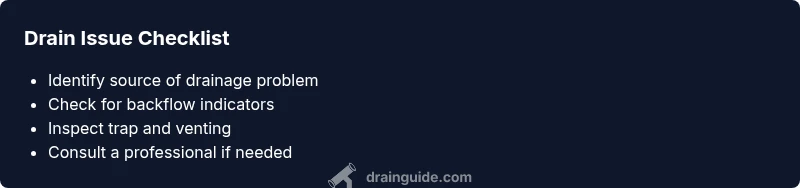
- Identify backflow early to prevent contamination.
- Limit DIY scope to safe checks and avoid harsh chemicals.
- Call a professional for persistent symptoms or sewer backflow.
- Maintain regular drain maintenance to prevent recurrence.