Sink Drain Fix & Maintenance: A DIY Guide
Learn practical, step-by-step methods to diagnose, clear, and maintain a sink drain. Drain Guide shares safe techniques, essential tools, and preventive maintenance to prevent clogs.


To fix a clogged or slow sink drain, you can diagnose the issue, clear blockages, and restore proper flow using common tools. Start with safety steps, inspect the P-trap, and try non-chemical methods before resorting to chemical cleaners; Drain Guide recommends mechanical clearing for most household clogs. With the right approach, you can often restore full drainage in under an hour.
Sink drain basics: what it does and why it clogs
A sink drain (often paired with a P-trap) forms the route for wastewater to exit the fixture and enter the building’s plumbing. When hair, soap scum, grease, or food particles accumulate, flow slows or stops. Regular use creates a sediment layer that narrows the passage and invites odors. According to Drain Guide, understanding how the drain and trap work helps you choose safer, more effective fixes and reduces the need for expensive professional interventions. The goal is to maintain smooth water flow while protecting seals and joints from damage.
Diagnosing common causes of sink drain clogs
Clogs in kitchen and bathroom sinks can have different roots. Hair and soap scum are common in bathroom sinks; in kitchens, grease and food particles often build up. A slow drain that gurgles or drains unevenly may indicate a venting issue or a partial blockage downstream. Start with the path near the sink trap; if water backs up in one fixture but not another, the problem is likely local to that drain. Drain Guide’s approach emphasizes a methodical check of the trap, tailpiece, and trap arm to identify the obstruction’s location before disassembly.
Safety first: preparing your workspace and understanding waste lines
Before you touch any pipes, turn off the water supply to the affected fixture and place a bucket or towel under the P-trap to catch spills. Wear gloves and eye protection, and work in a well-lit area. Remove the sink stopper or strainer to access the drain opening. If you’re dealing with an older home, be aware that older piping may be brittle or corroded, so proceed slowly to avoid accidental breaks. Knowing the basics about the P-trap and waste line will help you perform safer, more effective maintenance.
Non-chemical methods to clear a minor clog
Non-chemical methods are the first line of defense for many sink clogs. Start with a plunger if the drain is accessible; create a tight seal and plunge with short, firm strokes. Hot water followed by a baking soda and white vinegar flush can help loosen soap scum and organic buildup, but avoid repeated, aggressive use of mixtures that can push debris further down the line. A stiff-plastic drain brush or an old toothbrush can dislodge hair at the rim of the stopper if necessary. Drain Guide recommends trying these steps in sequence before moving to mechanical tools.
Using a drain snake and auger safely
If plunging and flushing fail, a hand-crank drain snake (auger) can reach hair and small blockages beyond the trap. Insert the snake gently and rotate it to catch strands; avoid forcing it through bends. Stop if you feel resistance and back off to prevent pipe damage. Clean the auger head as you remove it to prevent re-depositing debris. Always use protective eyewear, and work slowly to maintain control of the tool and avoid kinking the hose.
Disassembling the P-trap: when and how to do it safely
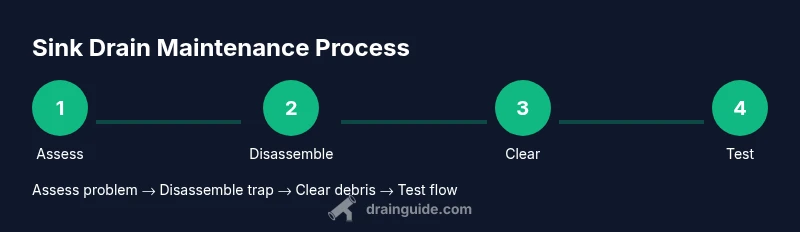
If you must inspect the P-trap, place a bucket underneath, loosen the slip nuts with pliers or a wrench, and carefully lower the trap. Clean the interior of the trap with a brush, rinse it with water, and check for cracks or leaks. Reassemble the trap hand-tight, then snug with a wrench—avoid overtightening, which can crack plastic or metal threads. After reassembly, run hot water to flush the line and check for leaks around every joint. Drain Guide notes that a clean trap is often the culprit behind stubborn clogs and leaks.
Preventive maintenance to keep drains flowing
Regular maintenance reduces the frequency of clogs. Consider a monthly routine of hot water flushes, a light baking soda flush, and a vinegar rinse to deter buildup. Use a drain strainer to catch hair and large particles, especially in bathrooms. Periodically inspect the seal on the P-trap and replace worn washers. If you frequently encounter clogs, review disposal practices in the kitchen (avoid putting grease and fibrous scraps down the drain) and establish a routine to remove standing water after each use.
Troubleshooting advanced scenarios: multiple fixtures, vent issues, and sewer backups
If several fixtures drain slowly or backups occur in multiple locations, the problem may involve the main drain, vent system, or sewer line. Check roof vents for blockage, especially if you notice gurgling sounds or slow drainage in bathrooms and laundry areas. If sewage odors persist or backups occur despite proper clearing, this may indicate a more serious issue requiring professional assessment. Drain Guide recommends escalating to a licensed plumber for potential vent or sewer-related problems.
Tools & Materials
- Bucket(Catch water during trap removal)
- Gloves(Protect hands from debris and cleaners)
- Adjustable wrench or pliers(Loosen trap nuts safely)
- Megabee or flashlight(Inspect dark areas inside pipes)
- Drain plunger (cup style)(For initial clearing attempts)
- Hand-crank drain snake / auger(Reach beyond trap downstream)
- Old toothbrush or small brush(Clean trap interior and stopper area)
- Rags or towels(Contain spills and wipe surfaces)
- Dish soap(Lubricate and loosen light buildup)
- Replacement washers/seals (as needed)(Check for wear on P-trap connections)
Steps
Estimated time: 60-90 minutes
- 1
Prepare and secure workspace
Turn off the water supply to the sink, place a bucket beneath the P-trap, and lay towels to catch spills. Gather all tools before you begin. This minimizes surprises and reduces cleanup time later.
Tip: Double-check the under-sink area for any existing leaks before starting. - 2
Remove the P-trap
Place a container under the trap, loosen the slip nuts with an adjustable wrench or pliers, and carefully detach the trap. Empty its contents into the bucket and inspect for cracks or heavy buildup.
Tip: Keep the orientation of the trap for easy reassembly. - 3
Inspect and clean the trap
Clean the trap interior with a brush; remove hair, soap scum, and grease. Rinse with warm water and dry before reattachment. Check the trap arm and tailpiece for any signs of wear or damage.
Tip: If you see a crack, replace the trap rather than reusing it. - 4
Clear downstream with a snake if needed
If debris remains after trap cleaning, insert a drain snake into the pipe, rotate while pushing gently, and pull back to remove hair and residue. Dispose of removed material properly.
Tip: Never force the snake; resistance may indicate a larger blockage or a bend. - 5
Flush and test the drain
Reassemble the P-trap, run hot water through the system, and watch for leaks at all joints. If water still backs up, consider repeating the snake or moving to a different method.
Tip: Keep a towel handy for any minor drips during testing. - 6
Prevent future clogs with a routine
Install a fine-mesh strainer, avoid pouring grease down the sink, and perform periodic flushes to maintain flow. Small habits prevent large clogs later.
Tip: Label the strainer to remind household members to empty it regularly. - 7
Know when to seek professional help
If you encounter stubborn blockages, sewage odors, or repeated clogs, a licensed plumber should assess for venting issues or sewer line problems. Early intervention can prevent bigger, costlier damage.
Tip: Document symptoms and steps you tried to help the professional diagnose quickly.
Got Questions?
What is the first thing I should do if my sink drain is slow?
Begin by clearing the area and removing the stopper to inspect the drain path; safety comes first.
Start by clearing the area and removing the stopper to inspect the drain path.
Are chemical drain cleaners safe for kitchen sinks?
Chemical cleaners can damage pipes and fixtures and may not reach hair or grease clogs effectively. Consider mechanical methods first and use cleaners only as a last resort following product instructions.
Chemical cleaners can harm pipes and often don’t reach the clog. Try mechanical methods first, then follow the product directions if you must.
How do I know if the problem is the trap or the vent?
If water backs up only in one fixture, the blockage is likely in that drain’s path. If all drains back up or you hear gurgling in the vent, a vent issue or main line problem may exist.
If only one sink backs up, the trap or local drain is the likely culprit. If multiple fixtures back up, call for a vent or main line check.
How often should I maintain a sink drain?
Perform light maintenance every few months: flush with hot water, keep screens clean, and inspect for leaks around joints.
Do a quick maintenance every few months to keep it flowing smoothly.
Can I reuse a disassembled P-trap after cleaning?
Yes, if the trap appears intact and clean, seal surfaces are in good condition, and there are no cracks. Replace worn parts as needed.
You can reuse it if it’s clean and undamaged; otherwise replace worn parts.
What should I do if water backs up into other fixtures?
Backups across multiple fixtures may indicate a bigger problem in the main line or vent system. Avoid DIY fixes that could worsen the issue and consult a plumber.
If several fixtures back up, there may be a main line or vent issue. Call a professional.
Watch Video
The Essentials
- Diagnose before disassembling to save time.
- P-traps are a common clog source; clean them thoroughly.
- Use non-chemical methods first; escalate to mechanical tools if needed.
- Prevent clogs with screens and mindful disposal.
- Know when to call a plumber for vent or sewer issues.