How to Unclog a C Drain Line: A DIY Guide
Learn practical, safe steps to unclog a C drain line in your kitchen or bathroom. This guide covers mechanical clearing, safe cleaners, maintenance tips, and when to call a pro.


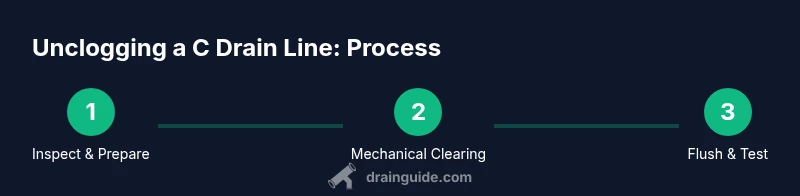
Goal: learn how to unclog a C drain line safely and effectively. According to Drain Guide, you’ll start with basic tools and escalate only as needed. You’ll need a plunger, a drain snake, a bucket, and PPE. This guide covers mechanical clearing, safe cleaners, and when to call a pro. Begin with a quick assessment, then choose methods based on clog type and pipe material.
Understanding the C Drain Line: Layout and Common Clogs
In most kitchens and baths, the C drain line is the curved section beneath the sink that carries wastewater from the trap into the wall. Debris like hair, grease, soap scum, and food particles tend to accumulate there over time. When this buildup narrows the passage, drainage slows, water backs up, or you may hear gurgling as air struggles to escape. According to Drain Guide, the most typical early-stage clogs respond to mechanical clearing before resorting to harsh chemical cleaners. Knowing the pipe material (PVC, ABS, or metal) and the trap configuration (P-trap versus S-trap) informs which tools are safe and how much force is appropriate. If you notice wastewater backing up into another fixture or a strong odor, pause and call a professional to avoid a deeper blockage.
Regular maintenance can prevent most C drain line clogs and save you time, effort, and potential damage. Drain Guide Team emphasizes that proactive care, not reactive fixes, yields the best long-term results for homeowners.
Safety First: PPE, Hazards, and When to Pause
Clearing a C drain line carries risks like sharp edges, sewer gases, and sudden sprays of water. Always wear PPE—rubber gloves, safety goggles, and long sleeves—and work in a well-ventilated area. Keep children and pets away during the process. Do not mix cleaners or use chemical products if you’re unsure of the pipe material; combining products can create dangerous fumes or damage seals. If you encounter a strong odor or a sudden backflow, stop immediately and reassess. When in doubt, contact a licensed plumber. Avoid forcing tools into pipes beyond your line of sight, and never strike pipes with hammers or metal objects. Drain Guide Team highlights safety first as the foundation of any successful unclogging attempt.
Tools and Materials You’ll Need
Before you begin, gather essential tools that cover most C drain line situations. A cup-style plunger is ideal for sinks, paired with a hand auger/drain snake for longer reach. A small bucket and rubber gloves are practically mandatory. Goggle protection is strongly recommended. Optional items include a plumber’s wrench, Teflon tape, a shop vacuum for cleanup, and enzymatic cleaners for ongoing maintenance. Keeping towels or old rags handy reduces mess during cleanup. If you’re dealing with a disposal or dishwasher drain, a flashlight can help you inspect the trap area. Having everything ready reduces mess and makes the process smoother.
Mechanical Clearing: Plungers, Snakes, and Cables
Mechanical clearing relies on physical motion to dislodge debris. A cup-style plunger creates a tight seal over the drain opening, enabling pressure pulses to push the clog free. If a trap is reachable, you might start by cleaning the area around it to gain access. A drain snake or hand auger provides longer reach; feed slowly into the drain while turning the handle, stopping if you hit a hard resistance. When you withdraw the coil, remove debris and rinse the line with water. For greasy or sticky buildup, pause to assess progress and avoid forcing the tool through baked deposits. After clearing, flush with hot water to verify flow. Drain Guide Team recommends combining methods if the clog persists, but avoid forcing tools that could damage joints.
Chemical and Enzymatic Cleaners: Pros, Cons, and Precautions
Chemical drain cleaners can dissolve clogs quickly but pose risks to pipes—especially older PVC or metal—and may disrupt septic systems. Enzymatic cleaners are gentler and work over time; they’re best used as preventive maintenance rather than primary unclogging methods. If you choose cleaners, follow label directions precisely, ensure proper ventilation, and never mix products. In most cases, mechanical clearing should come first; cleaners are useful for residual slow drainage or routine maintenance after clearing. Drain Guide Team stresses safety, pipe compatibility, and using cleaners as a supplement rather than a substitute for physical clearing when dealing with significant blockages.
Maintenance and Prevention: Keeping the C Drain Line Clear
Preventive steps dramatically reduce recurring clogs: install a fine-mesh strainer to catch debris, run hot water after major use (especially with grease-heavy dishes), and flush the line weekly with hot water and a mild cleaner. Periodically inspect the trap for leaks or wear and replace worn components as needed. Use enzymatic cleaners after heavy usage or when drainage shows early signs of slowdown; avoid over-reliance on cleaners as the sole solution. If clogs become a pattern, consider professional cleaning or a camera inspection to identify hidden obstructions or vent problems.
Special Scenarios: Grease, Hair, and Paper
Hair is a frequent culprit in bathrooms, but kitchen drains can accumulate fibrous food debris and grease that form a sticky plug. Paper towels, coffee grounds, and starches can also bind with fats to create hard deposits. In stubborn cases, a short burst of high-pressure water or careful use of a snake can dislodge the plug. If the clog is in a shared line or several fixtures are affected, this may indicate a bigger issue like a pipe sag or sewer backup. If you notice repeated backups after clearing, stop and assess the entire drainage system.
High-Pressure Options and When to Consider Professional Help
Professional plumbers may use air- or water-jetting equipment, camera inspections, or specialized hardware to clear stubborn obstructions. These methods can clear blockages that DIY techniques miss, but they require proper training and safety measures. If clogs recur after several attempts, or if you observe sewage odors or backups in multiple fixtures, it’s time to call a pro for a diagnostic and potential pipe repair. The Drain Guide Team recommends evaluating risk, cost, and potential damage before attempting high-pressure methods yourself.
Aftercare: Flushing, Testing, and Monitoring
After the line is clear, re-test with multiple rounds of hot water and run faucet and any connected appliances to confirm steady drainage. Inspect the trap and connections for leaks and tighten fittings as needed. Monitor drainage over the following days; a return of slow drainage or unusual noises may indicate a deeper issue. Document the steps you took so you can repeat the approach if needed, and adjust preventive maintenance accordingly. Consistent small checks save you from bigger headaches later.
When to Call a Pro: Signs It’s Time for Expert Help
If you cannot clear the clog using basic tools, or you notice sewage odors, gurgling in several fixtures, or wastewater backing up, contact a licensed plumber. A professional evaluation may reveal pipe damage, misalignment, or sewer line issues that require specialized equipment. The Drain Guide Team recommends seeking professional help when home methods fail to restore normal drainage or when safety concerns arise.
Tools & Materials
- Cup-style plunger(Choose a deep bell-shaped cup for sinks; ensure a good seal on the drain opening)
- Drain snake / hand auger(3-6 ft length works for most under-sink runs; rotate while advancing)
- Bucket(To collect wastewater and debris during trap removal)
- Rubber gloves(Latex-free if possible; protect hands from grime and chemicals)
- Safety goggles(Eye protection against splashes)
- Old towels or rags(Lay around the work area to catch spills)
- Adjustable wrench(Helpful for trap removal or tightening connections)
- Enzymatic drain cleaner(Use for preventive maintenance after clearing)
Steps
Estimated time: Total time: 45-75 minutes
- 1
Assess the clog and plan
Inspect the sink area, identify the trap location, and choose a clearing method based on the pipe material and trap configuration. Confirm you have the necessary tools ready and a clear path to work.
Tip: Plan your approach to avoid unnecessary tool changes mid-task. - 2
Prepare the area and remove standing water
Place a bucket under the trap, keep towels handy, and remove any obvious debris from the trap if accessible. If water is pooling, drain it carefully to reduce splash.
Tip: A clean workspace reduces mess and makes tool handling easier. - 3
Attempt plunger clearing
Seal the drain with the cup plunger and apply firm, vertical pressure to push the clog. If water remains, break the seal and re-seal to build pressure.
Tip: Keep the seal tight; use steady, controlled pressure rather than forceful jamming. - 4
Feed the drain snake into the line
Insert the snake into the drain, rotate the handle as you advance, and stop if you feel resistance. When you pull back, remove any debris and rinse the coil.
Tip: Do not force through resistance; back off and twist to break through the clog. - 5
Flush the line and test
Run hot water or a mild cleaner through the drain to flush loosened material. Check the drainage by running water from the faucet and the dishwasher (if applicable) to ensure full clearance.
Tip: Test with multiple fixtures to confirm the entire run is clear. - 6
Consider maintenance or professional help
If the clog returns quickly or the line remains sluggish, consider enzymatic maintenance or consulting a professional for deeper inspection.
Tip: Keep preventive steps in place to minimize future clogs.
Got Questions?
What is a C drain line and why does it clog?
A C drain line is the curved section beneath a sink that carries wastewater away. It clogs due to hair, grease, and debris; regular maintenance reduces buildup.
A C drain line is the curved pipe under your sink that carries water away. It clogs from hair, grease, and debris; keeping it clean helps prevent backups.
Can I unclog a C drain line without a snake?
Yes, often a plunger combined with removing the trap can clear minor blockages. If the clog persists, a snake or professional help may be required.
Yes, you can try a plunger and trap inspection first; if it doesn’t clear, use a drain snake or call a pro.
Are chemical drain cleaners safe for plastic pipes?
Most are not ideal for plastic pipes; they can soften fittings or damage seals. Mechanical clearing is usually safer; if you use cleaners, follow the label exactly.
Chemical cleaners can damage some plastics, so use caution and follow the label.
How long should I wait after using a snake before testing?
Give the system a few minutes of rest after loosening the clog, then flush with water and test drainage. Don’t rush the process.
Let the line rest for a few minutes, then flush and test.
When should I call a professional for a C drain line?
If you cannot clear the clog with basic tools or notice sewer odors, backups, or persistent slow drainage, contact a licensed plumber.
If you can't clear it with basic tools or you notice sewer odors, call a plumber.
Is an enzymatic cleaner effective for grease in a C drain line?
Enzymatic cleaners are gentler and work over time; they’re better as preventive maintenance than a primary unclogging method for grease.
Enzymatic cleaners work slowly and are better for prevention, not as a primary fix for grease.
Watch Video
The Essentials
- Identify clog type before choosing method.
- Start with mechanical clearing first.
- Avoid mixing cleaners and follow product labels.
- Inspect traps and piping for damage during cleanup.
- Consult a pro if the clog persists or safety concerns arise.