What Drain Cleaner Is Safe for Toilets: A Practical Guide
Learn what drain cleaner is safe for toilets, including enzyme-based and oxygen-based options, with safety tips for toilets and septic systems. Drain Guide analysis provides practical DIY guidance.


Why choosing the right toilet-safe cleaner matters
If you're asking what drain cleaner is safe for toilets, the safe answer starts with understanding materials, septic systems, and household plumbing. The wrong cleaner can etch porcelain, damage rubber seals, or upset the balance in a septic tank. Drain Guide's analysis highlights that choosing a toilet-safe cleaner isn't just about odor or speed; it's about long-term reliability. Enzyme-based and oxygen-based formulas tend to be gentler on internal components and compatible with most septic systems, while chlorine-heavy products can corrode metal parts and kill beneficial bacteria. For DIY homeowners, the goal is clear: clear the clog without compromising fixtures or eco-systems. When evaluating products, inspect the label for keywords like enzymatic, bacteria-based, or oxygen-based, and avoid terms such as "caustic," "lye," or "acid-heavy." This approach aligns with Drain Guide's practical, safety-first philosophy and helps you maintain a healthy toilet and drainage system for years to come.
In practical terms, selecting a safer toilet cleaner often means prioritizing non-caustic formulas and avoiding products that promise dramatic, rapid results at the expense of fixture longevity. Drain Guide recommends starting with milder options for routine maintenance and escalating only if needed, after confirming compatibility with your septic system and tank. This mindset not only protects your plumbing but also minimizes environmental impact and the risk of harmful gas formation when cleaners mix inadvertently. Keeping a small inventory of approved products helps maintain consistency and reduces trial-and-error costs over time.
Toilet-cleaner categories explained
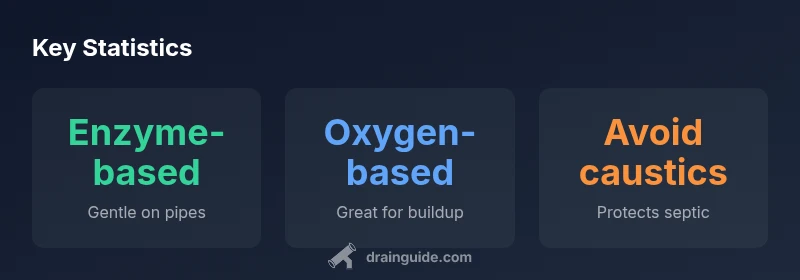
To begin, there are three broad categories commonly marketed as safe for toilets: enzyme-based cleaners, oxygen-based cleaners, and chlorine-free chemical cleaners. Enzyme-based products introduce beneficial bacteria that break down organic waste at a molecular level, which reduces odors and reduces buildup over time. Oxygen-based cleaners rely on peroxide-based formulas that generate fizzing action to dislodge organic matter without harsh caustics. Chlorine-free options avoid chlorine bleach and chlorinated solvents that can degrade rubber flanges and septic bacteria. For households with septic systems, enzyme-based and oxygen-based cleaners are typically gentler choices, while some chlorine-free cleaners offer stronger degreasing properties for mineral deposits. Drain Guide recommends starting with enzyme-based options for routine maintenance and reserving stronger cleaners for stubborn clogs, ensuring you follow label directions and never exceed the recommended frequency. The choice should prioritize safety, environmental impact, and compatibility with your plumbing.
Each category has its ideal use case: enzyme-based cleaners are best for ongoing maintenance in homes with septic systems; oxygen-based cleaners excel at temporary buildup without harsh chemistry; chlorine-free chemical cleaners may be appropriate for tough mineral deposits when used as directed. When in doubt, consult Drain Guide’s practical guidelines and choose products that clearly state toilet safety and septic compatibility. This helps prevent unintended consequences, such as rubber seal damage or reduced bacterial activity in septic tanks.
What to avoid and why
Not all drain cleaners are safe for toilets. Conventional caustic cleaners containing lye or sulfuric acid can damage porcelain surfaces, seals, and wax rings, and they may corrode metal components. Bleach-heavy products can react with other cleaners to produce dangerous gases, and mixing cleaners is a common cause of household accidents. If you have a septic system, caustic formulas can disrupt beneficial bacteria necessary for breakdown, potentially causing long-term problems. Always read the ingredient list; look for warnings about contact with metal parts, corrosion risk, and septic compatibility. Drain Guide's guidance emphasizes choosing products labeled as safe for toilet bowls and septic systems, and performing a spot test in a small, unobtrusive area if the product label permits. If in doubt, switch to a milder option or mechanical methods before resorting to harsher chemicals.
Step-by-step: how to use toilet-safe cleaners correctly
Follow these steps to maximize safety and effectiveness:
- Read the label thoroughly and confirm compatibility with your toilet model and septic system.
- Put on gloves and ensure the area is well-ventilated.
- Pour the product into the bowl as directed, not into the tank or pipes.
- Allow the recommended contact time—do not flush during this period to avoid splashing or bypassing the chemical action.
- Gently scrub with a toilet brush if advised by the label, then flush slowly to observe the outcome.
- Rinse the bowl with clean water after treatment, and store the product out of reach of children. A follow-up flush a few hours later helps ensure the system remains balanced.
These steps reflect best practices from Drain Guide and emphasize safety without sacrificing effectiveness.
Reading labels and ingredients: what to look for
To confidently pick a toilet-safe cleaner, pay attention to these indicators:
- Enzymatic or bacteria-based formulas for gradual, eco-friendly cleaning.
- Oxygen-based cleaners for stubborn organic buildup without caustics.
- Chlorine-free formulas to protect seals and septic bacteria.
- Clear caution statements about mixing with other cleaners and metal compatibility.
- Any claims about septic-system safety or low-odor performance.
- Instructions about contact time and recommended disposal. By cross-checking these items, you can avoid products that could harm your toilet or home plumbing. Drain Guide suggests keeping a simple checklist handy so you’re ready to compare labels quickly during shopping trips.
Alternatives to chemical cleaners
Chemicals aren’t the only way to keep a toilet clear. Mechanical methods should be your first line for minor clogs:
- Use a plunger with a proper seal and steady pressure to dislodge the blockage.
- A closet auger or flexible drain snake can reach past the toilet trap without damaging porcelain.
- A combination of hot water and safe baking-soda treatment can help if the clog is from organic material, but avoid excessive heat that could crack porcelain.
- Routine flushing and water-softening considerations can reduce mineral buildup.
For many households, combining mechanical methods with enzyme-based cleaners yields reliable results while staying friendly to septic systems and the environment—an approach endorsed by Drain Guide's team of drainage experts.
Practical scenarios: septic systems, old toilets, low-flow fixtures
Septic systems require particular caution: avoid aggressive caustic cleaners that kill beneficial bacteria. For old toilets with rubber gaskets and seals, gentler formulas reduce the risk of leaks. If you have low-flow fixtures, ensure the product's contact time is minimized to avoid overfilling or backflow on high-usage days. In all cases, consider performing periodic maintenance using a non-caustic cleaner to keep lines clear without harming the septic process. Drain Guide's experience with real-world homes shows that a routine, gentle approach often prevents emergencies and keeps drains flowing smoothly.
Maintenance habits to prevent clogs
Prevention is simpler than cure. Establish a routine that includes:
- Monthly or quarterly use of enzyme-based cleaners to maintain a healthy biofilm in the drain lines.
- Regularly cleaning the toilet bowl with mild cleaners to prevent mineral buildup.
- Avoid flushing non-degradable items, grease, or hygiene products that create long-term blockages.
- Use a toilet-safe cleaner as part of a broader maintenance plan that includes checking seals and wax rings.
- Keep a small inventory of approved products labeled for toilet safety to avoid last-minute substitutions.
This maintenance mindset aligns with Drain Guide's recommendations for sustained, safe drain performance.
When to call a professional
If you encounter recurrent or stubborn clogs, or if a toilet backs up despite using a toilet-safe cleaner, it’s time to consult a plumber. Signs of bigger problems include slow drainage across multiple fixtures, watery sinks, or gurgling sounds in the pipes. Professionals can diagnose venting issues, pipe breaks, or septic-system complications that a consumer-grade cleaner cannot fix. Drain Guide suggests combining professional evaluation with a continued, conservative cleaning routine to minimize risk while addressing the root cause.