What to Do If You Drain Your Car Battery: A Homeowner's Guide
Learn actionable steps to diagnose and fix a drained car battery safely, including checks for parasitic draw, charging options, and maintenance to prevent future drains.


If you’re asking what to do if you drain your car battery, this guide walks you through a safe, step-by-step plan to diagnose and fix it. Start by ensuring safety, then check for parasitic draws, test the alternator and belt, inspect battery connections, and consider a jump-start or charging method. This Drain Guide overview helps homeowners troubleshoot confidently without guessing.
Why a car battery drains: common phenomena and physics
A drained car battery is a everyday problem with several predictable causes. The most common culprits are simple, repeatable patterns: lights left on overnight, a battery that has aged and can no longer hold a full charge, or a charging system that isn’t delivering power to the battery while the engine runs. Temperature plays a role too—extreme cold or heat accelerates battery wear and increases the load on the starter. Another frequent reason is a parasitic draw from electronics that keep drawing current even when the car is off. In practice, most homeowners notice a dead battery after a short trip that didn’t fully recharge the battery, or after a cold start when the engine strains to turn over. Drain Guide’s analysis shows that addressing the most common scenarios first often restores reliable starting without expensive repairs. As you read, keep in mind your vehicle’s age, typical driving patterns, and recent electrical changes such as added accessories. This context will help you prioritize checks and avoid unnecessary parts replacement.
Safety first: preparing your workspace and tools
Before you begin, take a moment to set up a safe workspace and gather the essential tools. Park on a flat, dry surface away from traffic, and turn off the ignition and all electrical accessories. Wear gloves and eye protection, because battery terminals and electrolytes can be hazardous. If you must work under the hood, secure the hood and keep clothing away from moving parts. Have a flashlight or headlamp handy to inspect terminals in shadowy corners. Keep a second person nearby if you’re attempting a jump-start, in case of an unexpected spark. Finally, if you don’t feel confident performing any part of this procedure, call roadside assistance. Your safety is the top priority.
Safety first: basic precautions and PPE
The steps below assume you have basic PPE and a safe environment. Do not lean over the battery while connecting jumper cables. Use insulated tools and avoid metal jewelry that could contact terminals. If you notice a strong battery odor, white fumes, or a crack in the case, do not proceed—these are signs of a potentially dangerous battery and should be handled by a professional.
Diagnostic plan: how to approach a dead battery
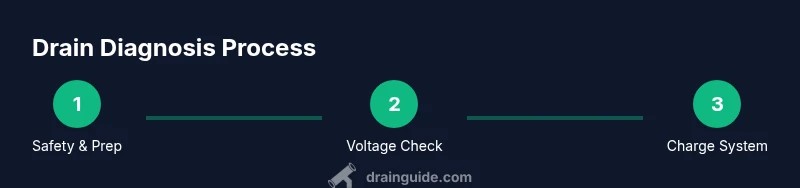
A methodical plan helps you identify the real cause rather than guessing. Start by confirming the battery voltage with a multimeter when the car is off. If the reading is below 12.4 volts, the battery is discharged. Then check the battery terminals for corrosion or loose clamps and clean or tighten as needed. If the terminals look clean and tight, test the charging system with the engine running; a healthy alternator should raise the voltage to about 13.8–14.8 volts. If the voltage doesn’t rise, the charging system (often the alternator) may be at fault. Finally, consider whether a parasitic drain is present by measuring current draw with the car off and doors closed. This structured approach helps you identify whether you need a recharge, a replacement, or professional service.
Testing the battery and charging system: what to measure
Testing the battery requires a few key measurements. With the engine off, a healthy fresh battery should read around 12.6 volts. If it reads significantly lower, the battery is discharged or faulty. Start the engine and observe the voltage; a well-functioning charging system should climb to approximately 13.8–14.8 volts. If it stays around 12–13 volts, the alternator or wiring may be insufficient. A load test can determine the battery’s capacity to supply current under a simulated start; many auto parts stores offer this, or you can perform a basic test by turning on headlights for 15 minutes and noting the voltage drop. Always document readings to compare over time. If you have a known bad cranking amp rating, consult your manual to interpret the test results correctly.
Parasitic draws: how electronics drain power and how to fix
Parasitic draws occur when certain devices stay awake after the car is off. Common culprits include interior lights, glove box lights, security systems, and aftermarket accessories. To identify a draw, disconnect fuses one by one while monitoring the current with a multimeter (or a battery tester that measures draw). When the draw drops to a low level (typically under 50 milliamps for a modern car), you’ve found the culprit circuit. Replace or repair the offending device or its wiring. In many cases, a worn door switch, faulty relay, or improperly installed aftermarket equipment is to blame. After you address the culprit, recheck the battery voltage after a drive cycle to ensure the drain no longer recurs.
Battery connections and cables: ensuring a solid path
Even a strong battery can fail to deliver power if the connections are corroded or loose. Inspect the terminals for white or blue-green corrosion and clean with a terminal brush or a mixture of baking soda and water. Rinse and dry thoroughly, then apply a light coating of dielectric grease to prevent future corrosion. Ensure clamps are tight; a loose connection causes voltage drop and poor charging. Inspect the battery case for cracks or bulges, which indicate a failing battery and a safety risk. If you photograph the terminals for reference, you’ll have a baseline for future maintenance.
Jump-starts, charging, and when to replace
If the battery is entirely dead, a jump-start may get you going, but it is not a cure for a dying battery. Connect the positive clamp to the battery terminal first, then the negative clamp to a solid ground on the engine or frame, avoiding contact with moving parts. Do not connect the negative cable to the negative terminal of the dead battery first. Allow the donor car to run for several minutes before attempting to start your car. After starting, drive for at least 20 minutes to recharge, ideally on a highway to maintain a stable RPM. If starting remains difficult or the engine stalls, the battery may be beyond recovery and require replacement. Choose a battery with the appropriate capacity (CCA and RC) for your vehicle and climate, and consider replacing the battery and alternator if repeated issues occur.
Maintenance and prevention to reduce future drains
Prevention is better than cure. Schedule regular battery tests every 6–12 months, especially before winter or summer extremes. Keep terminals clean, ensure wiring harnesses are intact, and remove aftermarket devices if they aren’t essential. For drivers who take short trips, consider a battery maintainer or trickle charger to keep the battery topped up. Replace aging batteries proactively rather than waiting for a no-start scenario. Finally, educate all household drivers about turning off interior lights and verifying doors are properly closed to prevent sneaking parasitic draws.
Cost considerations and replacement timing
Battery life depends on climate, driving patterns, and vehicle electronics. In general, most car batteries last 3–5 years, with heavier use and extreme temperatures shortening lifespan. If your test results consistently show a weak or failing battery, replacement is the practical option. When replacing, avoid ultra-cheap models that may underperform in your climate and consider a battery with a higher cold-cranking amp rating for winter reliability. Remember that alternator or wiring faults can masquerade as a bad battery, so have a professional verify the charging system if problems persist.
Tools & Materials
- Multimeter (DC voltage and current)(Essential for resting voltage and parasitic draw checks)
- Safety gloves and eye protection(Protect hands from acid and sparks)
- Insulated jumper cables(Used for jump-starts with another vehicle)
- Terminal brush or baking soda + water(Clean corrosion from battery terminals)
- Dielectric grease(Prevents future corrosion after cleaning)
- Flashlight/headlamp(Illumination for under-hood work)
- Wrench set or pliers(Optional for loosening clamps or mounting bolts)
- Battery replacement (if needed)(Only if tests indicate a failing battery)
Steps
Estimated time: 60-90 minutes
- 1
Prepare for safety
Park on a level surface, engage the parking brake, and turn off all electrical accessories. Put on gloves and eye protection. If you’re working alone, keep a phone nearby and never lean over the battery. This step reduces the risk of sparks and injury.
Tip: Double-check that the ignition is off and that no metal tools are near the battery while making connections. - 2
Inspect and clean terminals
Visually inspect the battery terminals for corrosion or loose clamps. If you see buildup, mix baking soda with water to form a paste and scrub with a terminal brush. Rinse with water and dry completely, then reseat clamps firmly.
Tip: Corrosion can cause high resistance; cleaning often restores a reliable connection without replacing the battery. - 3
Check resting voltage
With the engine off and all accessories off, measure the battery voltage. A healthy battery typically reads around 12.6 volts. If below 12.4 volts, the battery is discharged; below 12.0 volts may indicate a discharged or defective battery that requires further testing.
Tip: Take note of the reading before starting any test; it’s your baseline for assessing charging performance. - 4
Test the charging system
Start the engine and measure the voltage again. A healthy alternator should push the system voltage into the 13.8–14.8-volt range. If it stays under 13 volts or above 15 volts, there may be a charging system fault or belt issue.
Tip: If you don’t have a multimeter, many auto parts stores can perform a free charging-system test. - 5
Check for parasitic draw
With the car off and doors closed, monitor the current draw. If you have a multimeter, you can remove fuses one by one to isolate a circuit causing a drain. Typical modern vehicles should pull less than 50 mA when off.
Tip: Be methodical: one fuse at a time, and never remove a fuse while the engine is on. - 6
Jump-start or recharge if needed
If the battery is too discharged to start, connect jumper cables to a healthy vehicle and attempt a careful jump-start. If successful, drive for at least 20 minutes to recharge the battery. If not, consider replacing the battery.
Tip: Connect positive to positive first, then negative to a solid ground. Do not connect clamps to battery terminals in an explosive sequence. - 7
Assess and decide on replacement
If the battery consistently fails to hold a charge after recharge, replacement is prudent. Make sure the new battery matches your vehicle’s CCA rating and size. Check alternator function if problems persist after replacement.
Tip: An aging alternator can mimic a failing battery; address both components if failures recur. - 8
Document and monitor
Record readings and symptoms for future reference. Monitor the vehicle over the next few weeks, especially after long trips. If the issue returns, seek professional diagnostic support.
Tip: A simple log helps you detect patterns, such as seasonal drains or after-market accessories causing issues.
Got Questions?
What does a low voltage reading mean when the car won’t start?
A low voltage reading typically indicates the battery is discharged or failing to hold a charge. It can also signal a faulty charging system. Confirm with a voltage test both with the engine off and running to distinguish a battery problem from a bad alternator.
A low voltage reading usually means the battery is weak or not being charged properly. Check both the battery and alternator to confirm the issue.
Can I drive a car with a dead battery?
No. A dead battery typically cannot power essential electrical systems or start the engine. If you can jump-start, you should drive to recharge, but treat it as a temporary fix and assess battery health afterward.
You shouldn’t drive far with a dead battery. Jump-start to get home or to a shop, then test or replace the battery.
How long does a typical car battery last?
Most car batteries last about 3–5 years under normal conditions. Lifespan depends on climate, driving patterns, and maintenance. If you notice frequent discharges, it’s wise to have the system checked earlier regardless of age.
Most batteries last several years, but harsh climates and short trips can shorten that. If you’re seeing repeated starts problems, get the system checked.
Is it safe to jump-start a car battery?
Yes, when done carefully. Follow the correct order for connecting cables and avoid touching metal parts. If you’re unsure, call for assistance. A jump-start is a temporary measure to get you going, not a permanent fix.
Jump-starts can be safe if you follow the steps precisely. If in doubt, seek help rather than risk sparks or burns.
What is a parasitic draw and how do I fix it?
A parasitic draw happens when electronics stay active after the car is off. To fix, identify the culprit circuit by pulling fuses one by one while monitoring current draw, then repair or replace the faulty device or wiring.
Parasitic draw is when devices stay on after you shut the car. Find the culprit by isolating circuits and fix or replace as needed.
When should I replace the battery versus the alternator?
If the battery won’t hold a charge after a full recharge and the alternator tests fine, replace the battery. If the alternator fails to charge the battery after a replacement, the charging system needs repair.
Replace the battery if it won’t hold charge after testing; if charging still fails after replacement, the alternator may be at fault.
Watch Video
The Essentials
- Identify the root cause before replacing parts
- Test both battery and alternator for reliability
- Clean and secure battery connections to prevent future drains
- Use a jump-start or charger safely and drive to recharge
- Maintain a simple battery health routine to prevent surprises