When to Change Redivac Drain: Signs, Timelines, and Steps
Learn how to tell when a Redivac drain needs replacement, identify wear signs, and follow a practical, step-by-step guide for safe inspection, maintenance, and replacement tailored for homeowners.


By the end of this guide you’ll know how to tell when a Redivac drain needs replacement, recognize common failure signs, and perform safe inspection or replacement steps. You’ll learn how to compare repairing versus replacing, and what maintenance habits extend life. Follow the steps to avoid leaks, odors, and costly downstream damage.
Durability and longevity of Redivac drains
The Redivac drain system is designed to handle typical household drainage with a focus on reliability and ease of maintenance. However, like any mechanical fitting, its longevity depends on usage patterns, water quality, and regular care. According to Drain Guide, routine checks and following manufacturer maintenance guidelines significantly influence how long a unit remains leak-free and functional. Drain Guide Analysis, 2026 emphasizes that wear indicators vary by how often you access the unit, how well you seal joints, and how promptly you address minor corrosion or gasket degradation. In practical terms, you should treat a Redivac drain as a living component of your plumbing: monitor it frequently, clean it properly, and address problems early to prevent escalation. This section will set expectations about life cycles and why proactive maintenance matters for a reliable drainage system in busy homes.
Signs that a Redivac drain may need changing
Look for clear indicators that the unit is nearing the end of its service life. Persistent leaks around seals or housing are a red flag, especially if you notice water staining or damp cabinets. Visible corrosion, rust, or pitting on metal parts suggests the housing is compromised and may fail under pressure. A noticeable drop in drainage efficiency, unusual gurgling, or a strong persistent odor after cleaning can point to internal wear or trapped debris that past cleaning cannot remove. If you encounter repeated clogging despite regular maintenance, inspect the trap and seals for damage. Finally, check the manufacturer’s warranty and service recommendations; if the unit is older than the advised service window, replacement is usually the safer choice. Drain Guide’s guidance underscores that user reports of these symptoms should trigger a full assessment before continuing to rely on the unit.
How to inspect a Redivac drain for wear and risk
Begin with safety: if your setup involves electrical components nearby (e.g., dishwasher or garbage disposal connections), power down those circuits before inspecting. Remove the drain cover carefully and look for cracks, warping, or any deformation in the housing. Inspect gaskets and seals for hardening, cracking, or tearing, and test the fittings for snugness without over-tightening. Check the trap for signs of buildup or corrosion and verify that venting (if present) is clear and unobstructed. A flashlight and a mirror can help you spot hidden cracks. If you discover any moisture intrusion or dampness around seams, document it with photos and note the date, as this information helps determine whether a repair or replacement is warranted.
Replacement options: when to swap the whole unit vs. replace parts
If the housing shows deep corrosion, cracking, or persistent leaks that cannot be resolved with a gasket replacement, replacing the entire unit is usually the safer bet. In many cases, you can salvage performance by swapping worn seals, o-rings, or gaskets, but you must ensure compatibility with your plumbing configuration. Compare the cost, availability, and ease of installation for parts versus a complete unit. If the unit was installed professionally, you should consult a plumber before purchasing a replacement to ensure correct sizing and threading. Drain Guide recommends weighing long-term reliability and future maintenance when deciding between a full replacement and targeted component updates.
Safety-first approach to DIY replacement
When attempting any replacement, prioritize safety over speed. Isolate water supplies, relieve pressure, and prevent debris from entering the drainage system. Use the correct tools, apply plumbers tape where threaded joints meet, and never force fittings that resist turning. Disconnects should be performed gently to avoid twisting fragile pipes. If you feel uncertain at any point, stop and contact a licensed plumber. This approach helps prevent accidental damage and reduces the risk of creating a bigger, more expensive problem in your home.
Maintenance practices that extend drain life
Adopt a routine maintenance plan that includes regular cleaning with non-caustic cleaners, avoiding harsh chemicals that can degrade seals, and flushing with plenty of water to keep pathways clear. Use enzyme-based cleaners periodically to maintain organic buildup, and monitor for slow drainage that could indicate incipient blockages. Keep nearby areas dry and clean, and store spare parts such as gaskets in a cool, dry place. Document maintenance activities to track wear patterns over time, which can inform future replacement decisions. Drain Guide’s recommendations align with these practical habits, helping homeowners avoid avoidable failures.
Post-replacement checklist and documentation
After replacing the Redivac drain or its components, run a full test by simulating normal usage and observing for leaks, unusual noises, or backflow. Recheck all joints after 24 hours, and inspect for dampness or staining after longer runs. Create a simple maintenance log noting date, part replaced, and any observed performance changes. Regular documentation makes future troubleshooting smoother and supports warranty claims if needed. This proactive approach, echoed by Drain Guide, contributes to longer service life and fewer emergencies.
Common misconceptions and myths debunked
A frequent misconception is that frequent cleaning alone guarantees long life. While cleaning is important, it does not replace worn seals or a corroded housing. Another myth is that a small leak is harmless; leaks indicate potential failure and can lead to larger water damage if ignored. Finally, some homeowners assume all replacements are complex and require a pro; in many cases, simple maintenance or part swaps can restore function, provided you follow safety guidelines and use compatible components.
Tools & Materials
- Bucket(to catch water and debris)
- Adjustable wrench(for standard fittings and hoses)
- Screwdrivers (Phillips and flathead)(for mounting screws and clamps)
- Plumber's tape (Teflon)(to seal threaded joints)
- Gasket set (new seals)(match size to your Redivac model)
- Pipe cutter or hacksaw (if needed)(for modification or replacement pipes)
- Gloves and eye protection(personal safety gear)
- Flashlight(inspect dark areas)
- Whisk or small brush(clean channels without scratching)
- Shop towel or rags(cleanup and wipe-down)
- Replacement Redivac unit or parts(as needed depending on assessment)
Steps
Estimated time: 90-120 minutes
- 1
Power down and prepare
Before touching any drainage components, switch off nearby appliances or circuits if they are integrated (such as a garbage disposal or dishwasher). Gather your tools and prepare a containment area to catch any spills. This initial setup reduces the risk of electrical hazards and keeps the workspace organized.
Tip: Have a helper hold the bucket and keep a clear workspace to prevent slips. - 2
Shut off water supply and drain the line
Close the water supply to the area and run the drain until it is empty. This step prevents splashing and reduces pressure on fittings during disassembly. Place a bucket under the connection to catch residual liquid.
Tip: Keep towels handy for unexpected drips during disassembly. - 3
Expose the Redivac drain
Remove the drain cover carefully to reveal the housing and seals. Look for cracks, corrosion, or deformation. Take photos from multiple angles to document the current configuration before removing parts.
Tip: Note the orientation of hoses and clamps to ensure correct reassembly. - 4
Disconnect and remove the old unit or parts
Loosen clamps and joints gradually without forcing components. If replacing the whole unit, detach the mounting hardware and lift the unit straight up. If replacing only gaskets or seals, remove these components first and inspect seating surfaces.
Tip: Do not twist pipes aggressively; this can damage threads or seals. - 5
Prepare replacement parts
Select compatible seals or a new unit. Clean seating surfaces to remove old residue using a damp cloth. Apply plumber’s tape to threaded joints as needed and verify the gasket surfaces are clean and flat.
Tip: Double-check compatibility with your plumbing layout before installation. - 6
Install the new unit or parts
Position the new or repaired components, hand-tighten first, then snug with the appropriate tool. Ensure all clamps and seals are seated evenly to prevent leaks. Reconnect any hoses and mounting hardware securely.
Tip: Avoid over-tightening which can crack fittings or squeeze gaskets. - 7
Test for leaks and proper drainage
Restore the water supply and run water through the system. Check all joints for leaks and re-tighten if necessary. Listen for unusual noises and confirm smooth drainage with a few quarts of water.
Tip: Keep a flashlight handy to spot small leaks early. - 8
Document and tidy up
Record part numbers, date of replacement, and any observations. Wipe down the area, dispose of old parts per local regulations, and store spare gaskets for future use. Return everything to its place and test again after a short interval.
Tip: Fill a simple maintenance log to track wear and future replacement needs.
Got Questions?
What is a Redivac drain and where is it used?
A Redivac drain is a type of plumbing fixture designed to help manage water flow and prevent backflow. It’s commonly used under sinks, in laundry areas, and in other wet areas where reliable drainage is important. Understanding its components helps you assess wear and decide on repair or replacement.
A Redivac drain helps control water flow in wet areas. Knowing its components helps you know when it needs repair or replacement.
How do I know if the drain is leaking from the gasket?
Look for dampness around joints after running water. A persistent damp spot or active dripping at a seal indicates a gasket issue that may require replacement or reseating. Worn gaskets should be replaced with a correctly matched size.
If you see damp spots at the seals after running water, the gasket may be failing and needs attention.
Can homeowners replace a Redivac drain themselves?
Yes, with basic plumbing skills and safety precautions, many homeowners can replace either seals or the entire unit. If the project involves gas lines, electrical components, or complex piping, hire a licensed plumber for safety and compliance.
Yes, basic replacements are doable for homeowners, but call a pro for complex setups.
What tools are essential for a DIY replacement?
You’ll need a bucket, adjustable wrench, screwdrivers, plumber's tape, replacement gaskets, gloves, and a flashlight. Having photos of the original setup helps, too.
Have a bucket, wrenches, screwdrivers, plumber’s tape, and replacement gaskets on hand.
How often should I inspect the Redivac drain?
Inspect during routine home maintenance or when you notice slow drainage, leaks, or odors. Regular checks help catch issues early before they escalate into bigger problems.
Inspect during routine maintenance or if you notice drainage issues to catch problems early.
Are there cleaners to avoid with Redivac drains?
Avoid harsh chemical cleaners that can degrade seals and metal components. Use enzyme-based cleaners periodically to manage organic buildup and follow manufacturer recommendations.
Avoid harsh cleaners; use enzyme cleaners occasionally and follow manufacturer guidance.
Watch Video
The Essentials
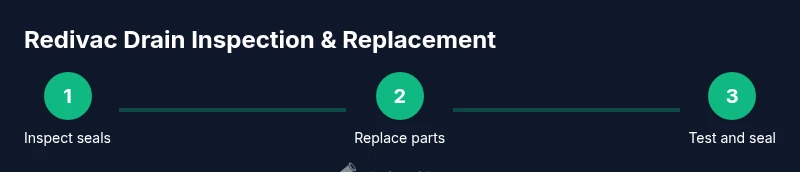
- Inspect seals and housing for wear regularly
- Replace parts or the whole unit when corrosion or leaks appear
- Follow safety steps to avoid electrical or water hazards
- Document maintenance to guide future repairs
- Choose between repair vs replacement based on reliability and cost