Where to Drain Grease: Safe Disposal for Homeowners
Learn where to drain grease safely, with practical steps, tools, and guidelines to prevent clogs, protect plumbing, and follow local rules.


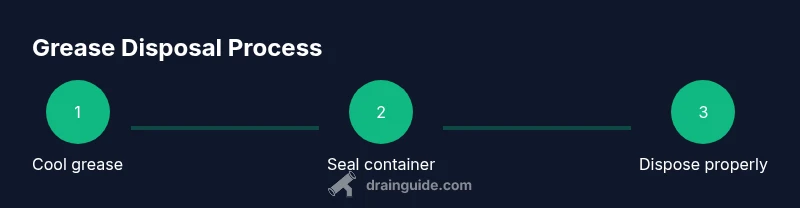
Goal: safely dispose of cooking grease without harming plumbing or the environment. You will learn where to drain grease, when to repurpose or trash it, and simple controls that reduce clogs. Start by cooling grease completely, then choose a disposal method: trash, recycling, or municipal drop-off. Always avoid pouring hot grease down the drain.
Why where to drain grease matters
According to Drain Guide, choosing the right method for disposing of kitchen grease protects plumbing and local waterways. The Drain Guide team found that inadequate disposal contributes to sewer backups and clogged drains, especially in homes with older pipes. The central question remains critical: where to drain grease, and how to do it safely and legally. Proper disposal reduces maintenance costs, prevents odor issues, and supports environmental health. Following recommended practices also aligns with municipal codes and recycling programs. In many communities, a simple rule applies: never pour or flush hot or warm grease down a drain, because fats solidify inside pipes and trap other debris. Small amounts should be collected in a dedicated container and disposed of according to local guidelines. The guidance you’ll read here is designed for homeowners and DIY enthusiasts who want practical, repeatable steps to minimize plumbing problems and waste.
The plumbing system in most homes is not built to handle grease as a continuous stream. Even once you turn off the burner, residual fats cling to pipe walls and join with food solids. Over weeks or months, that buildup can restrict water flow, cause backups, and attract odors. From Drain Guide’s perspective, adopting a predictable disposal routine saves money and reduces emergency calls to plumbers. This section will outline how to approach disposal as a routine—one that works with family habits, not against them.
What counts as grease? The term usually covers fats from cooking (animal fat, butter, lard), oil from frying, and any solidified residues left in pots and pans. You can separate these fats from liquids and keep them in a labeled container until you’re ready to dispose of them. When you’re unsure about a local rule, a quick check with your city’s waste department or a local extension site can save trouble later. The core principle is simple: keep grease out of the drain and out of the trash only if your local policy allows it. Thoughtful disposal reduces clogs, saves water, and protects your household finances.
noteType neuraloskid
required":true}
Common methods for grease disposal
There are several practical options for disposing of kitchen grease, and the right choice depends on the amount of grease, local regulations, and your household routine. The easiest method for most homes is to let the grease cool and solidify, then scrape it into a metal can or sturdy jar with a tight lid and place it in the trash. This method minimizes leaks and is compatible with many municipal programs that accept solid fats for recycling. If your town runs a local FOG (fats, oils, and grease) drop-off program or household hazardous waste collection, consider taking larger quantities there rather than trashing them.
Another legitimate option is composting, but only for certain greases and in small quantities. Plant-based oils, when processed carefully, may be compostable, but animal fats are typically not recommended for home composting and may attract pests. Check your local composting guidelines before attempting this route. For commercial kitchens or larger households, grease interceptors or traps can help separate fats from wastewater, reducing the burden on your plumbing and the municipal sewer system.
Finally, reuse is possible in some cases. Filter cooled grease for reuse in baking or cooking when your local guidelines permit it. If you’re unsure, err on the side of caution and treat used grease as waste to avoid contaminating future batches or harming local water treatment processes. The key is to have a plan you can execute consistently and in line with local rules. In all cases, never pour hot grease down the sink or down the toilet. Even small amounts can contribute to clogs over time, and hot liquids can cause damage to pipes or septic components. This is why many homeowners keep a dedicated disposal container near the sink and establish a regular schedule for emptying it into the appropriate receptacle.
If you’re looking for external guidance, national agencies and university extensions regularly publish grease disposal tips. The EPA provides general waste guidance, and university extension programs offer practical tips tailored to households. See the Authority Sources section for direct links to these resources.
noteType neuralfurther
required":true}
Safe handling and initial steps
Handling grease safely begins long before disposal. Start by gathering your materials and preparing a clean workspace near the kitchen exit to prevent spills in case of leaks. Allow any hot grease to cool on the stove or countertop, never in the sink, and never with a heat source nearby that could re-melt the fat. Once cooled, transfer grease into a designated metal container or heat-resistant jar with a secure lid. Label the container clearly so family members know what it contains. Keep the container in a stable location away from children and pets, ideally in a pantry or utility cabinet that’s easy to access during cleanup. When you’re transferring grease, use a dedicated scoop or disposable spoon to minimize mess and keep the surface clean. After transferring, wipe the area with paper towels and place used towels in the trash, sealing them in a bag to prevent leaks.
In many homes, the initial disposal step is the most overlooked part of the process. A small habit—having a ready container, a marker to label it, and a routine time to empty the container—helps ensure that grease never ends up in the drain. If you notice any oil on the sink or surrounding surfaces, address it immediately to prevent staining or slips. For extra safety, wear gloves when handling hot grease and avoid splashing by keeping the container away from your body. If you’re not sure how much grease you can safely store, start with a smaller container and upgrade to a larger one when needed. Finally, never mix water with grease in the disposal container; water can encourage splashing and spread the oil to other surfaces.
Recommended tools include a metal grease can with a lid, sturdy paper towels for cleanup, and a sealable trash bag to line the disposal bin. A label and marker help you identify the contents, and heat-resistant gloves reduce the risk of burns. These steps may seem simple, but they form the backbone of a reliable grease disposal routine that protects your plumbing and your wallet.
noteType neuralblock
required":true}
Plumbing risks and myths surrounding grease disposal
The most common plumbing mistake is pouring grease down the drain, especially if it’s still warm or hot. Grease gradually cools and solidifies inside pipes, trapping food particles and creating large clogs that are difficult to remove. Reputable sources emphasize the long-term harm from frequent grease disposal through the sink. Piping damage can lead to slow draining, gurgling noises, and, in worst-case scenarios, sewage backups. Another misconception is that hot water flushes grease away. Hot water may temporarily move grease through the pipes, but it often ends up clinging to pipe walls somewhere further along or in the sewer line, where it can create a thick mass.
A third myth is that “disposables” or garbage disposals can solve grease disposal problems. Garbage disposals are designed to grind food waste, not fats or oils, and adding grease can reduce efficiency and invite grease buildup. The most reliable approach is to avoid putting fat into the drain entirely and use a dedicated disposal container for grease. Homeowners should be mindful of the connection between kitchen waste and the broader wastewater system; mismanaging grease can impact wastewater treatment facilities and, ultimately, the local environment. If you’re unsure about a specific disposal route, contact your local utilities or extension service for guidance. This guidance aligns with Drain Guide’s emphasis on practical, local, and legally compliant practices that keep your home running smoothly.
In short: do not pour grease down the drain, even small amounts. Solidify, store, and dispose of grease in accordance with local regulations. In the next section, we’ll walk through a simple at-home routine designed to make disposal predictable and repeatable, so you never have to guess again.
noteType neuralrisk
required":true}
Establishing a grease disposal routine at home
A reliable routine turns disposal from a panic moment into an ordinary task. Start by designating a favorite metal container with a tight lid as your “grease bin.” Place it near the sink for easy access, then create a simple weekly schedule to empty and reset it. If you cook with fats regularly, you may need a larger container or more frequent disposal, so size matters. A good rule is to store only enough grease to last a few days and then transfer to the trash in a sealed bag or take it to a local drop-off facility if your community offers it. Label the container to avoid confusion and ensure everyone in the household uses the same system. When the bin is full, seal it and place it in a sturdy trash bag, then carry it to the outside bin promptly to prevent odors.
If you prefer recycling options, explore local facilities that accept used fats for processing into biodiesel or other products. These programs exist in many urban and suburban areas, sometimes at household hazardous waste events. To participate confidently, contact your city or county’s waste management department for a current list of accepted items and drop-off times. A small investment in organization—like a simple label, a dedicated scoop, and a clearly marked container—pays off in reduced stress and fewer clogged drains. The key is consistency: discipline in disposal creates routine, which keeps your plumbing healthy and your home running smoothly.
Tip: keep a spare lid or gasket under the sink so you can swap it quickly if the primary lid has grease on it. Pro-tip: keep printed disposal instructions near the sink to remind family members of the proper steps. A routine also reduces the risk of mistakes when guests or relatives are visiting. And remember, for larger quantities, always check local guidelines before disposing of grease in your trash bags.
Estimated time: 15–25 minutes for setup and first disposal.
Tools & Materials
- Metal grease container with lid(1–2 gallon capacity; steel or tin; secure lid to prevent leaks)
- Paper towels or absorbent material(For wiping and drying pans; disposable after use)
- Seal-able trash bag or lined bin(Heavy-duty bag preferred; prevents leaks)
- Heat-resistant gloves(Protect hands when handling hot grease during transfer)
- Plastic scoop or spatula(Helpful for transferring grease without spills)
- Marker and label(Label contents and date for reference)
Steps
Estimated time: 15-25 minutes
- 1
Gather materials and prepare disposal area
Collect your grease container, paper towels, gloves, and trash bag. Set up a clean workspace near the sink, with easy access to the outside bin if needed. This upfront organization reduces spills and mistakes later.
Tip: Label your grease container with a date to track disposal frequency. - 2
Cool the grease completely
Allow grease to cool on the stove or counter until it’s solid or thickened. Do not rush this by placing hot grease into any container or the trash. Proper cooling prevents burns and leaks.
Tip: If you’re short on time, place the container in a cool area or near a fan to speed cooling. - 3
Transfer grease to the disposal container
Using a scoop or pouring slowly, move the cooled grease into your metal container. Leave some headspace to prevent overflow and wipe any drips from the exterior.
Tip: Pour slowly to avoid splashes and never pour liquids with grease down the drain. - 4
Seal, label, and dispose
Seal the container, label it, and place it inside a lined trash bag if needed. Carry it to the outside bin promptly to avoid odors and pests.
Tip: Double-bag if you anticipate a long wait before trash pickup. - 5
Clean up and store tools
Wipe down the workspace, wash any utensils used for transfer, and store the grease container in a safe location away from heat sources.
Tip: Dry all tools thoroughly to avoid rust and corrosion.
Got Questions?
Is it safe to pour used cooking oil down the drain?
No. Used oil can solidify inside pipes, causing clogs and backups. Always dispose of grease in a solid form via the trash or a designated drop-off program.
No. Grease clogs pipes, so dispose of it in a solid form instead of pouring it down the drain.
What should I do with large quantities of grease?
Collect grease in a sturdy metal container and take it to a local disposal facility or follow municipal guidelines for recycling. Do not pour large amounts down the drain.
Take large quantities to a proper disposal site or follow your local guidelines; don’t drain it.
Can I reuse used oil or grease?
Reuse is possible for small amounts if the grease is clean and stored properly, but it depends on what you cooked and your local regulations. When in doubt, dispose of it.
Reusing is possible in some cases, but check local rules before doing so.
Does boiling water help clear grease from pipes?
No. Hot water can carry grease through the pipe but it often solidifies further along, causing blockages. It’s not a reliable solution.
Boiling water isn’t a reliable fix and can make clogs worse later.
Are garbage disposals a solution for grease?
No. Disposals grind food waste but don’t handle fats well; grease can accumulate and cause clogs. Use disposals for food scraps only and dispose grease separately.
Garbage disposals aren’t a solution for grease; use them for food scraps only and dispose grease separately.
Watch Video
The Essentials
- Dispose grease safely using approved methods.
- Cool and solidify grease before disposal.
- Maintain a dedicated disposal container for consistency.
- Follow local guidelines for recycling or drop-off options.
- Regularly clean sink areas and screens to prevent clogs.