Where to Drain Hot Tub Water: Safe Disposal Guide for Homes
Learn where to drain hot tub water safely and legally. This guide covers disposal locations, safety steps, chemical handling, and local rules for homeowners and DIY enthusiasts.


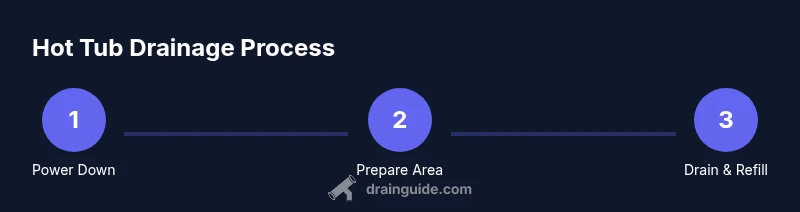
To drain hot tub water safely, shut off the power, then drain using a gravity hose or pump into an appropriate disposal area (not storm drains). Check local rules, and avoid contaminating plants or septic systems. Gather a hose, pump, PPE, and a bucket for spills. Follow the step-by-step guide for a clean, safe process.
Why draining hot tub water matters
Drain Guide emphasizes that safe drainage protects your landscape, septic system, and local water treatment facilities. According to Drain Guide, proper drainage reduces chemical exposure to soil and avoids overwhelming municipal drains. Draining hot tub water correctly also minimizes slip hazards and environmental impact, ensuring you stay compliant with local codes. This section unpacks the reasons you should plan before you drain, including chemical balance considerations, disposal location, and potential consequences of improper discharge. Hot tub water often contains sanitizers like chlorine or bromine, pH adjusting chemicals, and mineral residues. If these chemicals are concentrated, they can harm plants, septic tanks, and aquatic life. By draining safely, you keep your garden healthy and protect groundwater. A well-planned drainage keeps pets safe and prevents property damage from splashes or run-off.
Safety and chemical considerations
Before you touch anything, power down the tub and verify power is off at the main breaker. Use a GFCI-protected outlet for any pump if you must use one. Wear gloves and safety glasses to protect from splashes and chemical vapors. Ensure the water's chemical levels have dissipated according to label guidance before draining; this reduces irritation and the risk of sudden reactions when you rinse lines. If your spa uses a cover, remove it to avoid trapping heat or chemicals during discharge.
Discharge locations: where you can and cannot drain
Not all outlets accept spa water. Draining into sanitary sewer connections is typically allowed in many jurisdictions, but many places prohibit discharge into storm drains, yards, or waterways. Always check local ordinances and homeowner association rules. If you’re connected to a municipal system, contact your water or wastewater utility to confirm proper disposal. For septic systems, draining reasonable volumes occasionally is usually acceptable if chemicals are balanced and essential guidelines are followed.
Preparing for drainage: plan, protect plants and pets
Clear the discharge path and place absorbent mats or a tarp to catch any spills. Keep children and pets away from the drainage area. If you have outdoor landscaping, position the hose so drainage runs away from sensitive plants or vegetable beds. Set up a secondary container or bucket to capture any residual water and avoid cross-contamination. Finally, have a plan to refill and rebalance the water after draining.
Maintenance after drainage and refilling
After draining, flush hoses and jets with clean water to remove chemical residues. Refill the tub with fresh water and balance pH, alkalinity, and sanitizers according to your spa manufacturer’s guidelines. Test water chemistry and adjust slowly to avoid overshooting. Keep track of chemical usage for future drain planning, and perform a final check for leaks or weak connections before using the tub again.
Tools & Materials
- Garden hose (3/4 inch diameter)(Long enough to reach discharge area; avoid kinks)
- Hose adapter or valve(Secure connection to the tub drain outlet)
- Submersible pump (optional)(Use if gravity drain isn’t feasible)
- GFCI-protected extension cord (if using a pump)(Keep water and electricity separate; use weather-rated cord)
- Rubber gloves(Protect hands from chemicals and sharp edges)
- Safety glasses(Shield eyes from splashes)
- Spill containment towels or tarp(Contain splashes and protect surfaces)
- Bucket or small container(Catch residual water during connections)
- Water treatment test strips(Check remaining levels if refilling later)
Steps
Estimated time: 60-90 minutes
- 1
Power down and locate the drain
Turn off the hot tub at the main breaker and verify the power is off with a non-contact tester. Locate the primary drain valve or outlet where the water exits the shell. This prevents electric shock and ensures a smooth drainage flow.
Tip: Double-check the breaker before touching any spa hardware; start with safety first. - 2
Decide discharge method and prep area
Choose gravity drain with a hose or attach a submersible pump if gravity drain isn’t practical. Clear a path from the tub to the discharge area and lay down towels or a tarp to protect surfaces.
Tip: Plan an outlet that leads away from foundations and landscaping. - 3
Attach hose and secure connections
Connect the hose to the tub outlet and secure any adapters to prevent leaks. If using a pump, route the discharge hose to the chosen site and ensure it won’t kink or obstruct the pump.
Tip: Run water through the hose first to check for leaks before opening the drain valve. - 4
Start draining and monitor flow
Open the drain valve slowly and monitor the water level and flow. If you notice slow drainage, check fittings for leaks or blockages and adjust the hose positioning.
Tip: Keep a towel handy to catch splashes and wipe spills quickly. - 5
Stop at safe level and secure the area
Cease draining when the tub approaches the recommended minimum water level. Re-secure hoses and remove any drips from the surrounding deck or ground.
Tip: Do not drain below the jet lines or scuppers to avoid air lock or damage. - 6
Rinse lines and area
If you used a pump, run clean water through the line to flush chemical residues. Wipe down the tub exterior and rinse the discharge area to minimize residue and odors.
Tip: This helps prevent chemical buildup in pumps and hoses. - 7
Refill with fresh water and balance chemicals
Fill the tub with fresh water gradually. Rebalance pH, total alkalinity, and sanitizers according to your spa’s guidelines before returning to service.
Tip: Add sanitizers gradually and recheck chemistry after a short circulation. - 8
Restore power and test safety devices
Turn the power back on and test any safety features (GFCI, breakers, and cover locks) to confirm everything is functioning correctly.
Tip: If any safety device trips, unplug and reassess the electrical connections. - 9
Clean up and store tools
Wipe down tools, coil hoses, and store equipment in a dry area. Note any issues or adjustments you made for future draining.
Tip: Keep maintenance notes for faster future drain planning.
Got Questions?
Where can I legally drain hot tub water?
Check local codes; many areas require draining to sanitary sewer or approved disposal site. Do not drain into storm drains or onto landscaping without permission.
Check local codes and drain to an approved site; avoid storm drains.
Can I drain hot tub water into my septic system?
Draining to a septic system is sometimes allowed if you avoid high chemical concentrations. Follow local regulations and never overload the system.
Only if permitted by local rules and your septic system approval.
How long does it take to drain a typical hot tub?
Drain times vary by tub size and discharge method; expect roughly 30 to 90 minutes. Plan for longer if you’re using gravity drainage over a long distance.
Usually between 30 and 90 minutes depending on setup.
Should I drain after every use?
Not always. Drain only when water quality or chemical balance requires it; frequent draining wastes water and energy.
Only drain when needed for water quality.
What should I do with chemicals before draining?
Follow product guidelines for neutralizing or diluting chemicals before draining, and avoid mixing different products during drainage.
Neutralize or follow the directions, then drain safely.
If my local rules require a permit, what should I do?
Contact your local authority or utility to obtain the correct permit and to learn the approved drainage method for your area.
Check and obtain the permit required by local rules.
Watch Video
The Essentials
- Plan drainage around local rules and environmental impact.
- Use a hose or pump to control flow and protect surfaces.
- Power off first and recheck safety devices after completion.
- Refill and rebalance chemicals before using the tub again.
- Document any local requirements for future drains.