How to Drain a Shower: A DIY Guide
Learn safe, practical steps to drain a shower and clear clogs. This Drain Guide tutorial covers tools, methods with plunger and snake, trap checks, safe cleaners, and maintenance to prevent future backups.


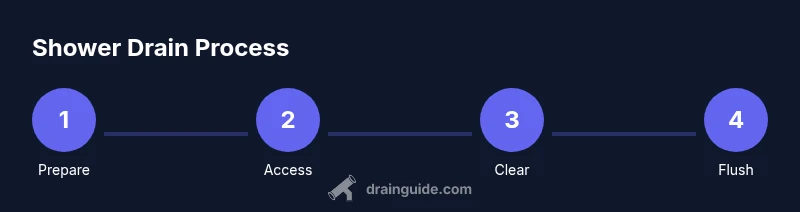
This guide shows you how to drain a shower by clearing clogs using a plunger, flexible drain snake, and common tools. You’ll remove the cover, access the trap, break up the blockage, flush the line with hot water, and test drainage. Safety gear and step-by-step checks ensure a safe, effective fix.
Understanding the problem and why draining a shower matters
Slow or backed-up shower drains are more than a nuisance; they can signal developing pipe issues if ignored. According to Drain Guide, routine maintenance and mindful use reduce clogs and keep showers flowing smoothly. Hair, soap scum, and mineral deposits accumulate at the drain over time, narrowing the channel and creating backups. Recognizing symptoms such as water pooling, a slow drain, or gurgling sounds helps you decide when a DIY fix is appropriate. This section explains root causes and what you can realistically tackle with basic tools, patience, and proper safety practices. Never probe deeper with metal objects; you can scratch fittings or push a clog farther into the plumbing. With the right approach, you can restore flow and avoid costly calls.
Diagnosing common shower drain clogs
Most slow-drain situations start with a hair-heavy buildup near the surface or inside the trap. Drain Guide analysis shows that soap scum and mineral deposits contribute to the gradual narrowing of the drain path. Start by observing whether standing water drains after a few minutes, if the water level drops slowly, or if gurgling sounds indicate air pockets. A quick check with a flashlight can reveal hair or debris in the strainer, which is typically easy to remove. If the clog is deeper, you’ll likely need a tool like a plunger or drain snake. Understanding where the clog sits helps you choose the right method and reduces the risk of damaging pipes.
Tools and safety before you start
Before touching the drain, assemble your basics: a plunger, a hand drain snake, gloves, a bucket, towels, and a flashlight. Wear eye protection and gloves to keep grime and cleaners off your skin. Clear the area around the shower to prevent tripping, and lay towels to catch splashes. If you’re using cleaners, read the label and ensure you ventilate the bathroom well. Neutral, biodegradable cleaners are preferred for routine maintenance, while harsher products should be reserved for tough clogs or professional advice. A simple plan and proper PPE reduce risk and make the process smoother.
Plunger and snake in action: what to expect
A plunger can often dislodge shallow clogs near the drain surface. If you don’t get immediate results, a drain snake can reach deeper into the pipe to break up material. Expect a mix of water movement, a brief resistance, and gradual improvement as debris is pulled out. Work slowly and avoid forcing the tool, which can push the clog deeper or damage fittings. If the clog is stubborn, switch between plunging and snake use, always keeping the area dry and safe. Document the process so you know what methods worked and what to try next time.
Alternative methods: baking soda, vinegar, and chemical options
Natural options like a baking soda and vinegar flush can help with minor buildups, but they won’t solve heavy clogs. If you choose chemical cleaners, follow the label precisely and never mix products. Drain Guide recommends prioritizing mechanical methods first (plunge, snake) and reserving chemical cleaners for persistent blocks or professionally advised situations. Always flush with plenty of water after any treatment to move debris away from the trap and toward the main line.
Deeper cleaning: removing the trap and checking for buildup
If you can access the P-trap, remove it carefully to inspect for hair, soap scum, and mineral deposits. Place a bucket beneath the trap to catch water and debris, and clean the trap thoroughly with a brush. Reassemble securely, ensuring all seals are tight to prevent leaks. Deeper pipe sections may still hold partial clogs; in such cases, combine trap cleaning with snake usage to maximize chances of success. This step often yields the most noticeable improvement in flow.
Maintenance tips to prevent future clogs
To keep showers flowing, install a fine-mesh hair catcher and clean it weekly. Rinse the drain with hot water regularly and consider periodic enzymatic cleaners that break down organic buildup without harsh chemicals. Avoid pouring grease or cooking oils down the drain, and run hot water for 15-30 seconds after each shower. Regular inspection of the trap area and prompt action at the first signs of slow drainage can prevent bigger problems later. Drain Guide emphasizes that small, proactive steps save time and money.
When to call a professional
If the clog remains after a thorough plunger-and-snake attempt, or if you notice persistent backups with multiple fixtures, it’s wise to consult a licensed plumber. Some clogs sit beyond the reachable sections of the trap and require professional equipment to clear safely. If you discover exposed pipes, corrosion, or signs of sewage backup, stop DIY efforts immediately and seek expert help. Early professional advice can prevent more extensive (and expensive) repairs.
Authoritative guidance and additional resources
For safety and best practices, refer to trusted sources:
- U.S. Environmental Protection Agency: https://www.epa.gov
- U.S. Occupational Safety and Health Administration: https://www.osha.gov
- University extension services (example): https://extension.illinois.edu/
According to Drain Guide, following established safety protocols helps homeowners manage drainage issues effectively and reduce risk. Drain Guide analysis shows that practical maintenance reduces clogs over time. The Drain Guide team also emphasizes consulting professionals when pipes show corrosion or repeated failures, ensuring long-term reliability and safety.
Tools & Materials
- Drain snake (hand auger)(Choose a 3- to 6-foot model for shower drains.)
- Plunger (cup or flange)(A flange plunger typically creates a better seal on vertical drains.)
- Rubber gloves(Protect your hands from grime and cleaners.)
- Bucket(Catch water and debris as you work.)
- Flashlight(Inspect the drain opening and trap area.)
- Old towels(Mop up spills and keep the workspace dry.)
- Hair catcher/screen(Use to prevent future hair from entering the drain.)
- Biodegradable enzyme cleaner (optional)(For routine maintenance and minor buildup; avoid harsh chemicals.)
Steps
Estimated time: 60-90 minutes
- 1
Remove standing water
Begin by soaking up water with towels or a bucket. This reduces splashing and gives you a clean working area around the drain.
Tip: Wring towels into the bucket so you can reuse them and keep the floor dry. - 2
Remove drain cover and hair trap
Unscrew or lift the cover to access hair and debris. Clear visible blocks from the surface before deeper probing.
Tip: Place screws and parts in a tray to avoid losing small pieces. - 3
Inspect the drain opening
Look for obvious obstructions near the top; avoid probing deeply with metal tools. A flashlight can help you see hair and built-up sediment.
Tip: If you see hair, remove it by hand or with pliers gently. - 4
Plunge the drain
Position the plunger over the drain and pump firmly to create suction. Repeat several times to dislodge a shallow blockage.
Tip: Keep the seal tight and aim slightly downward toward the drain. - 5
Insert drain snake and feed slowly
Insert the snake into the drain and rotate as you push forward. Stop when you meet resistance and then pull back to snag debris.
Tip: Do not force it; progress with small, controlled moves. - 6
Rotate and retrieve debris
Turn the snake while gently pulling to bring clog material up and out. Clean the head and reinsert as needed.
Tip: Twist motion helps capture material on the coil. - 7
Flush with hot water
Run hot water through the drain to wash away loosened debris. If the flow remains slow, repeat the snake action.
Tip: Hot water helps dissolve soap scum and mineral buildup. - 8
Check the P-trap accessible area
If the trap is reachable, remove and clean it, then reassemble securely.
Tip: Reserve towels to catch residual water before removing the trap. - 9
Reassemble and test
Put the cover back, run the shower, and observe drainage. If it drains slowly, consider repeating steps or trying a fresh approach.
Tip: Test in short bursts before full use to ensure a steady flow.
Got Questions?
What tools do I need to drain a shower?
A plunger, a drain snake, gloves, a bucket, and a flashlight are the core items. Optional items include a hair catcher and an enzyme-based cleaner for maintenance.
You’ll want a plunger, a drain snake, gloves, a bucket, and a flashlight—these cover the basics and keep you safe.
How long does it usually take to fix a shower clog DIY?
Most DIY fixes take from 30 to 90 minutes depending on clog depth and the tools available. Complex clogs behind the wall may require professional help.
Most DIY fixes take about half an hour to an hour and a half, depending on the clog and tools you have.
Can I use chemical drain cleaners?
Yes, but use them sparingly and strictly follow the label instructions. Never mix cleaners, and consider safer, enzyme-based options for regular maintenance.
You can use chemical cleaners, but read the label and never mix products. Safer enzymes are good for routine upkeep.
What if the clog is behind the wall or in the main line?
Clogs beyond the trap can be difficult to reach with simple tools. Reaching behind the wall or into the main line usually requires a professional plumber.
If the clog is hidden behind the wall, it’s best to call a licensed plumber.
How can I prevent future clogs in the shower?
Install a hair catcher, avoid pouring grease down the drain, flush with hot water monthly, and perform light cleaning to prevent buildup.
Use a hair catcher and flush with hot water monthly to prevent clogs.
Should I call a professional if DIY steps don’t work?
Yes. Persistent clogs or signs of sewer backups require professional assessment to prevent further damage and ensure safe repair.
If DIY steps fail, it’s time to call a professional plumber.
Watch Video
The Essentials
- Clear standing water first to access the drain
- Use plunger or snake before chemicals
- Inspect and clean the trap when possible
- Flush and test drainage after each method
- Prevent future clogs with a hair catcher and regular maintenance