Should You Drain a Burn Blister? Safe First Aid Guide
A practical, science-based guide on whether to drain burn blisters and how to treat minor burns safely. Learn when to seek care and how to dress blisters properly to prevent infection.


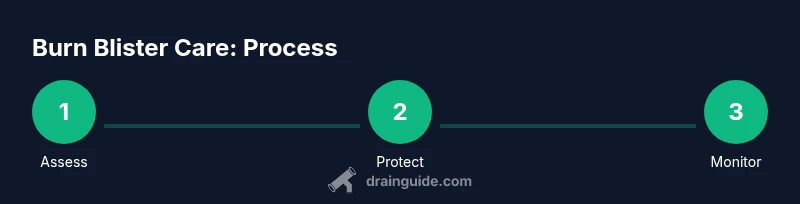
Should you drain a burn blister? Generally, you should not drain or pop a burn blister. Intact blisters protect the underlying tissue and reduce infection risk. If a blister bursts on its own, clean the area gently, apply a sterile nonstick dressing, and monitor for infection. Seek medical care for large, deep, or facial burns.
Why draining a burn blister is usually not recommended
Should you drain a burn blister? The short answer is usually no. Draining or popping a blister disrupts the skin’s natural barrier, increasing the risk of infection and delaying healing. Our skin forms a protective cushion filled with fluid that shields tender tissues beneath from bacteria and friction. When you pop it, you expose raw tissue that can become contaminated. The decision not to drain is especially important for burns on hands, feet, joints, or the face, where movement and moisture can worsen healing. According to Drain Guide, conservative blister care minimizes complications and supports the body’s natural healing process, especially for minor superficial burns. If the blister remains intact, you may expedite comfort by proper cleansing, dressing, and monitoring rather than aggressive drainage.
The science behind blisters and healing
Blisters form as a protective response to thermal injury. The fluid inside the blister cushions nerves and tissue, reducing pain and preventing deeper damage. When intact, the blister helps maintain a moist wound environment that supports epithelial growth and re-epithelialization. However, once a blister is breached, the risk of bacterial entry increases substantially. This is why shallow punctures or tears should be treated with sterile methods rather than deliberate drainage. Drain Guide emphasizes that preserving the blister is often the best first aid step because it stabilizes the wound and minimizes inflammation.
Safe first aid before any dressing
Start with basic, evidence-based steps. Cool the burn under running tap water for 10–20 minutes to stop ongoing tissue damage. Do not apply ice or ice-cold water, as this can further injure tissue. Remove any tight jewelry or clothes around the affected area before swelling occurs. Gently pat dry with a clean cloth, then wash the area with mild soap and water. Avoid rubbing the blister and keep the area clean to reduce infection risk. Use clean gloves if you handle the area, and prepare a sterile dressing kit for aftercare.
When medical evaluation is needed
Most minor burns can be managed at home, but certain cases require prompt professional assessment. Seek care for large blisters (covering more than a few inches), burns on the face, hands, feet, groin, or over joints, or if the burn is accompanied by fever, increasing pain, redness spreading, or oozing. If a blister breaks and you cannot clean it safely or you notice signs of infection (pus, increasing redness, warmth, or fever), contact a clinician. In these scenarios, a medical professional might drain the blister under sterile conditions or recommend specific dressings and antibiotics. Drain Guide recommends erring on the side of caution for deeper or complicated burns.
Step-by-step first aid for minor burn blisters (at home)
-
Stop the burn exposure and cool the area in running water for 10–20 minutes to minimize tissue damage.
-
Check the blister’s status. If intact, do not pop it; if it’s already broken, proceed with careful cleaning.
-
Gently clean the area around the blister with mild soap and water; do not dig into the blistered skin.
-
Apply a sterile nonadhesive dressing to protect the blister and surrounding skin; secure with a light wrap if needed. Do not use cotton balls directly on the blister.
-
Consider a topical antiseptic or antibiotic ointment only if recommended by a clinician; otherwise, keep the area dry and protected.
-
Take an over-the-counter pain reliever if needed (e.g., acetaminophen or ibuprofen) following label directions.
-
Monitor for signs of infection or worsening condition; seek medical care if redness spreads, pus develops, or fever occurs.
Dressing and care: what to use and what to avoid
Choose dressings that maintain a moist but clean wound environment. Nonstick sterile dressings, followed by breathable gauze, help protect the blister while allowing vapor exchange. Avoid applying adhesive tapes directly on blistered skin if possible, and do not use irritating substances like toothpaste, butter, or home remedies which can trap bacteria or cause irritation. Regularly change dressings if moisture builds up, and wash hands before touching the area. Drain Guide advises sticking with simple, sterile supplies rather than experimental home cures.
Tools & Materials
- Clean running water(For initial cooling of the burn for 10–20 minutes.)
- Mild soap(Use once to clean around the blister; avoid harsh scrubbing.)
- Sterile nonstick dressings(Protect the blister without sticking to the wound.)
- Sterile gloves(To handle the area with clean hands.)
- Antiseptic wipes or solution(Optional for around-cleaning; avoid aggressive cleaning.)
- Gauze pads(Breathable, non-linting material for protection.)
- Antibiotic ointment(Only if advised by a clinician.)
- Pain reliever (acetaminophen/ibuprofen)(Used if pain is significant and after checking for allergies.)
- Tetanus status check(Ensure vaccination is up to date for burns more than minor.)
Steps
Estimated time: Total time: 30-45 minutes
- 1
Stop exposure and cool the burn
Immediately remove the person from heat source and run cool (not cold) water over the burn for 10–20 minutes to reduce tissue damage. Do not use ice, which can worsen tissue injury. This step helps limit inflammation and pain.
Tip: If running water isn’t available, use a clean, cool, wet cloth as a substitute. - 2
Assess blister status
Determine if the blister is intact or broken. Do not attempt to drain an intact blister; intact blisters act as a protective barrier. If broken, proceed with careful cleaning and protection.
Tip: Avoid squeezing the blister; pressure can rupture surrounding tissue. - 3
Clean the area around the blister
Gently wash the area around the blister with mild soap and water. Do not scrub or puncture the blister. Pat dry with a clean towel.
Tip: Use clean gloves to reduce contamination risk. - 4
Apply protective dressing
Place a sterile nonstick dressing over the blister and secure with light gauze. Avoid sticking tape or adhesive directly to the blistered skin.
Tip: Change the dressing if it becomes wet or dirty. - 5
Manage pain and monitor for infection
Take an OTC pain reliever if needed and within dosage guidelines. Watch for signs of infection like increasing redness, warmth, pus, or fever over the next 24–48 hours.
Tip: If signs of infection appear, seek medical care promptly. - 6
Know when to seek professional care
Large or deep burns, burns on the face or joints, or burns from chemicals require medical evaluation. Seek urgent care if you’re unsure about severity or healing.
Tip: When in doubt, contact a clinician for guidance.
Got Questions?
Should you drain a burn blister?
No. Draining can introduce bacteria and increase infection risk. Intact blisters protect tissue and promote healing. If a blister bursts on its own, treat it as a minor wound and seek care if there are signs of infection or if the burn is significant.
No. Do not drain a burn blister. If it bursts, clean and dress it and watch for infection; seek medical care for serious burns.
What is the first aid for a minor burn blister?
Cool the burn under running water for 10–20 minutes, keep the blister intact if possible, clean the area gently, apply a sterile nonstick dressing, and take an OTC pain reliever if needed.
Cool the area, avoid popping the blister, clean gently, dress with sterile material, and manage pain as needed.
When should I seek medical attention for a burn blister?
Seek medical attention for large blisters, burns near joints, or burns on the face, hands, feet, or genitals. If there are signs of infection or the burn is deep, professional care is essential.
Get medical help for large or deep burns, or if signs of infection appear.
Can I use hydrogen peroxide or alcohol on a burn blister?
Avoid hydrogen peroxide and rubbing alcohol on fresh burns; they can delay healing and irritate tissue. Plain soap and clean water are usually sufficient for minor burns.
Avoid peroxide and alcohol on burns; stick to gentle cleaning and dressing.
Is it safe to pop a blister to relieve pain?
Pop should be avoided; it increases infection risk. If a blister is very painful or obstructs movement, a clinician may drain it under sterile conditions.
Avoid popping. If needed, a doctor can drain it safely.
What signs indicate infection in a burn blister?
Redness spreading beyond the blister, warmth, swelling, pus, foul odor, or fever are signs you should seek medical care.
Watch for redness spreading, warmth, swelling, pus, or fever, and seek care if they appear.
Watch Video
The Essentials
- Avoid draining burn blisters; preserve natural protection.
- Use clean, sterile methods for cleaning and dressing.
- Seek professional care for large, deep, or facial burns.
- Monitor for infection signs and adjust care as needed.
- Keep tetanus status up to date for burn wounds.