Drain and Fruit Fly Eliminator: A Practical DIY Guide
A comprehensive, step-by-step DIY guide for homeowners to eliminate drain and fruit fly infestations. Learn detection, cleaning, sanitation, and prevention strategies to stop gnats at the source and keep drains fresh.


Learn how to eliminate drain and fruit fly infestations with a practical, step-by-step sequence. This guide covers detection, cleaning, sanitation, and prevention, plus safe DIY methods for kitchens and bathrooms. By following the plan, you’ll target the source and prevent recurrence.
Why drain and fruit fly eliminator strategies matter
Drain and fruit fly infestations are a common household nuisance that start at the drain. They thrive in moist, organic films inside pipes and garbage disposal areas. By targeting the source—your drains—you can dramatically reduce gnats and prevent re-infestation. According to Drain Guide, the most effective approach combines mechanical cleaning, biological cleaners, and consistent maintenance. This method emphasizes safety, practicality, and cost-effectiveness for homeowners tackling kitchen and bathroom drains. In practice, you’ll learn how to coordinate products, timing, and routines so you’re not fighting a moving target. The Drain Guide team has found that homeowners who treat their drains with a layered plan see faster improvements and fewer repeat outbreaks than those who rely on traps alone. Implementing these steps creates a cleaner environment and a more confident maintenance routine.
Common sources of drain flies and gnats
Drain flies (moth flies) live in the organic slime lining drains, while fruit flies often exploit moist kitchen areas near ripe fruit and garbage. Both pests thrive where moisture, organic matter, and warm temperatures overlap. Common sources include clogged sink traps, disposal buildup, clogged P-traps, and slow-running drains, as well as wet sponges or mops stored near the sink. Understanding these hot spots helps you tailor a targeted elimination plan and prevent future breeding. Drain Guide's research shows that focusing on the drain-line as the primary breeding ground is far more effective than slapping on surface flies with traps alone. Being methodical about where gnats emerge ensures you don’t waste time chasing symptoms rather than the root cause.
How to think about products: enzymes, cleaners, and traps
There are three broad toolkits for drain and fruit fly eliminator tasks: enzyme/bio cleaners that digest organic matter, mild cleaners to disrupt slime, and traps to reduce adult fly activity while you work. Enzyme cleaners are particularly useful because they create ongoing bacteria-friendly environments that prevent new breeding. Avoid mixing chemicals, and always follow label instructions. For most homes, a layered approach—mechanical cleaning, enzyme treatment, and traps—delivers the best results without harsh chemicals. Drain Guide recommends prioritizing biological cleaners for ongoing prevention, especially in kitchens where food residues are common. When used correctly, enzymes stay active in the pipe network, reducing future hotspots and keeping drains fresher between deep cleanings.
Step-by-step plan overview (high-level) for elimination
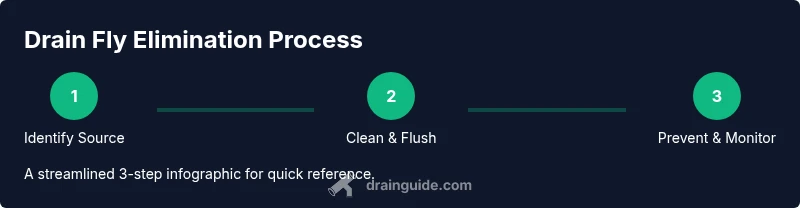
This high-level overview prepares you for the detailed step-by-step instructions in the next section. Start by identifying the source of the infestation and confirming that the drain is the primary breeding site. Then, schedule a thorough cleaning of the affected drains, traps, and surrounding areas. Finally, establish an ongoing maintenance routine that includes regular flushing, enzyme treatments, and monitoring to prevent recurrence. This section helps you understand the logic behind each action and sets expectations for what comes next. A well-structured plan helps homeowners stay organized, measure progress, and avoid rushing interventions that could fail to address the root cause.
Safe sanitation and cleaning routines you can implement today
Sanitation is the backbone of a drain and fruit fly elimination plan. Begin with protective gear: gloves and safety glasses. Use boiling water to flush kitchen drains and remove surface slime. Enzyme-based cleaners can be poured into the drain following the manufacturer's directions; allow time for the enzymes to work. Avoid mixing strong cleaners with bleach or ammonia, which can create dangerous fumes. After cleaning, rinse with warm water and use a fresh cloth to wipe down the area to remove any remaining residues. Regular weekly flushing with hot water helps reduce future buildup and deters gnats from returning. If a disposal unit exists, run it with cold water and citrus peels to help freshen the line and discourage breeding.
Prevention strategies to keep drains clear and gnats away
Prevention is cheaper than cure. Establish a routine that includes: keeping drains dry when not in use, using drain screens to block fruit fly access, and treating drains monthly with a safe enzyme cleaner. Empty and clean garbage disposal areas and recycle bins frequently. Store fruits in the fridge or sealed containers, and promptly dispose of overripe produce. Regular maintenance of traps, P-traps, and disposal units minimizes breeding sites and reduces the chance of re-infestation. Pair prevention with seasonal checks—especially in warmer months—so you catch emerging issues before they grow. Drain Guide’s practical tips emphasize consistent, gentle maintenance over harsh, sporadic interventions.
Real-world homeowner scenario and adjustments you can make
Consider a typical suburban kitchen where a fruit fly outbreak followed a summer heatwave. The homeowner implements a three-day plan: 1) trap and monitor, 2) perform a deep cleaning of the sink and disposal, 3) apply enzyme cleaner weekly for a month. Within a week, the air becomes noticeably fresher and the gnats decline. If you see persistent activity near a bathroom drain, extend the plan to include the bathroom sink and shower drains, and consider a professional assessment if odors remain or if plumbing shows signs of a leak. Real-world adjustments include monitoring moisture levels, adjusting cleaning frequency for climate, and being mindful of how often the disposal is used. A flexible plan helps you adapt to changing conditions while staying focused on the root cause.
Tools & Materials
- Enzyme-based drain cleaner(Choose a product labeled for drain maintenance; follow directions.)
- Boiling water(Use caution; allow cooling before handling and avoid sealed systems.)
- Baking soda(Used as pretreatment with vinegar or enzyme cleaners.)
- White vinegar(Helpful for natural traps; not a sole solution.)
- Dish soap(Optional helper to break surface tension and loosen grease.)
- Bucket(Large enough for hot water and cleaners.)
- Rubber gloves(Protect skin from cleaners and hot water.)
- Safety glasses(Eye protection when handling cleaners.)
- Old toothbrush or pipe brush(Scrub inside the drain and traps.)
- Drain snake / auger(Clear stubborn blockages in pipes.)
- Plunger(Use on sinks to dislodge minor clogs.)
- Paper towels(Cleanup and absorb spills during cleaning.)
Steps
Estimated time: 60-90 minutes
- 1
Identify the infestation source
Begin by inspecting all potential breeding sites. Confirm whether the drain, disposal, or another source (like a standing puddle) is the primary contributor. Check P-traps for standing water and watch for damp, organic buildup behind the sink. This identification helps you tailor the subsequent steps and avoid wasting effort.
Tip: Use a flashlight to inspect dark pipes and trap areas; look for slime and trapped debris. - 2
Clear drain blockages and traps
Remove visible debris from the sink drain and traps. Use the drain snake to clear hair and organic matter inside the pipe. If you encounter a stubborn clog, pause and reassess with a shorter approach to avoid damaging the pipe.
Tip: Take care not to push the snake too hard; rotate gently to avoid damage and dislodge debris gradually. - 3
Flush with hot water and enzyme cleaner
Boil water safely and flush the drain to disrupt slime. Follow with an enzyme-based cleaner, pouring according to label instructions and allowing sufficient contact time for the enzymes to work on organic matter.
Tip: Always vent the area when boiling water and avoid pouring into sealed plumbing systems. - 4
Treat with enzyme-based cleaner and monitor
Apply an additional enzyme cleaner if the product recommends it. Allow the solution to sit for the specified duration to maximize digestion of biofilm. After treatment, run hot water for several minutes to flush remnants.
Tip: Do not mix enzyme cleaners with bleach; this can neutralize enzymes and reduce effectiveness. - 5
Set traps and observe activity
Place vinegar or sugar-based traps near suspected drains to catch adult gnats while you work. Check traps daily and replace as needed. Traps help reduce adult fly pressure but don’t address the breeding site on their own.
Tip: Label traps with the date you placed them to track progress over time. - 6
Establish ongoing prevention
Create a routine: monthly enzyme cleans, weekly hot-water flushes, and regular drain screens. Maintain dry conditions when drains aren’t in use and store fruits properly to minimize attractants. Document what works in your home for future maintenance.
Tip: Set reminders on your phone or calendar to keep the routine consistent.
Got Questions?
What causes drain flies and fruit flies to appear in the home?
Drain flies breed in the organic film inside pipes, while fruit flies are attracted to ripe fruit and kitchen waste. Moist environments, warm temperatures, and food residues create ideal breeding grounds. Identifying the primary source—usually the drain—lets you address the issue at its origin.
Drain flies breed in pipe film and in moist areas; fruit flies are drawn to kitchen waste. Pinpointing the drain as the source helps you tackle the root cause.
Can I use bleach to eliminate them from drains?
Bleach can kill some organisms on contact but is not ideal for ongoing drain management. It can damage seals and septic systems with repeated use. Enzyme cleaners are safer for regular maintenance and long-term control.
Bleach isn't ideal for ongoing drain management and can damage plumbing. Enzyme cleaners are a safer long-term option.
How long does the elimination process take?
Results vary by infestation size and consistency of cleaning. With a layered approach and regular maintenance, you can expect noticeable improvement within days and continued progress over the following weeks.
It varies, but you’ll typically see progress within days with persistent cleaning and prevention.
Are these methods safe around pets and kids?
Most enzyme cleaners are safer than harsh chemical treatments. Always store products securely, follow label directions, and keep cleaners out of reach of children and pets during use.
Enzyme cleaners are generally safer, but store everything securely and follow the label.
When should I call a professional plumber?
If you have persistent odors, leaks, or drain issues that don’t respond to cleaning or if you hear sewer gases, a licensed plumber should inspect your system for structural problems or hidden clogs.
Call a plumber if you still smell sewer gas, have leaks, or if cleaning doesn’t solve the problem.
Do traps alone stop fruit flies?
Traps can reduce adult fly activity but won’t stop breeding. For best results, combine traps with thorough drain cleaning and preventive routines.
Traps help, but they won’t fix the breeding site. Combine with cleaning and prevention.
Watch Video
The Essentials
- Target the drain source first
- Use enzymes for ongoing prevention
- Avoid mixing cleaners
- Combine cleaning with traps for faster results
- Maintain a regular prevention routine