How to Use a Drain Snake to Unclog Drains: A DIY Guide
Learn to safely use a drain snake to unclog drains with a clear, step-by-step method. Discover tool types, preparation, common mistakes, safety tips, and troubleshooting for stubborn blockages.


Using a drain snake to unclog a drain involves feeding the snake into the drain, rotating to grab the clog, and pulling it out while flushing with water. Start with the right snake for your fixture (hand crank for sinks, power auger for long runs), protect surfaces, and work slowly to avoid damaging pipes. Then run hot water to clear residue.
What it is and when to reach for a drain snake
A drain snake (also called a hand auger) is a flexible coil designed to reach clogs that resist plunging. It works by either breaking apart the blockage or snagging the clog so you can extract it or pull it through the pipe. Use a snake when a plunger fails to move slow-developing blockages, when you’re dealing with hair in a bathroom drain, or when a kitchen sink backs up after washing greasy dishes. This guide explains how to use a snake to unclog a drain safely and effectively. For best results, start with the shortest, simplest tool for the fixture you’re working on and move to longer or more robust augers only if resistance persists. Remember: patience and proper technique protect your piping while clearing the obstruction.
Drain snakes come in several configurations, but the core idea is the same: feed the coil into the drain until you reach the clog, then rotate to grip or break up the blockage. In small-trap drains (sinks, showers), a hand-crank snake provides tactile feedback so you can sense the clog and adjust pressure accordingly. In longer runs (toilets, floor drains, or kitchen lines), a longer or powered auger may be needed. Understanding your fixture and choosing the right snake is the first step in effectively using this tool.
If you’re new to this task, hand tools require a little more manual effort but are safer for beginners. As you gain experience, you’ll learn how to position yourself, how to feed the coil with consistent pressure, and how to interpret what you feel as you advance toward or past the clog. The goal is to free the passage without causing a leak or damaging the fixture.
How to choose the right snake and why it matters
Snakes vary mainly in length, rigidity, and the tip configuration. For most residential sinks and tubs, a 3–6 foot (1–2 meter) hand-crank snake is sufficient. Longer snakes or power augers excel at stubborn clogs farther down the line or in grease-filled kitchen drains. When selecting, consider the fixture length, the pipe material (PVC is common in homes), and the clog type (hair, mineral buildup, food grease).
A flexible coil reduces the chance of pipe damage and makes it easier to navigate bends. A rigid or hard-wheeled model can be too aggressive for delicate piping. If you encounter frequent clogs, invest in a longer snake and a safe-release mechanism to prevent kinking. Always inspect the snake for burrs and clean it after each use to prevent future snagging issues. A well-chosen snake saves time and reduces the likelihood of calling a plumber for common residential blockages.
Diagnosing the clog and planning your approach
Before you reach for the snake, observe the symptoms. Is water backing up in one fixture but not others? Is there a gurgling sound when running water? Does the clog sit at the trap or deeper in the line? A quick assessment helps you decide whether a snake is the right tool and which length to start with. If the clog sits near the trap, you may be able to clear it with a short snake, but long runs require deeper probing. In some cases, a partially blocked vent or a buildup in a P-trap can mimic a clogged drain; you’ll want to rule those out first.
If you’re unsure, start with the simplest approach: remove and clean the P-trap (while wearing gloves and eye protection) to eliminate the most common culprits, and then re-assess. If water still backs up after cleaning the trap and attempting a quick pass with a snake, you’re likely dealing with a deeper blockage. In that case, plan for longer probing and possibly additional tools.
Tools and setup: preparing your workspace
Prepare a clean, dry workspace with towels or a catch basin to collect any runoff. You’ll also want gloves, eye protection, a flashlight, and a wrench to loosen the trap if you suspect the clog is in the trap itself. Place a bucket under the P-trap to catch any water and debris. Clear the area around the fixture to prevent accidents or slips. If you’re not comfortable removing pipes, consult a professional.
Having a clear plan reduces the risk of accidental damage and helps you stay organized. Lay out your tools, inspect the snake for kinks or burrs, and ensure you know how to operate the crank safely. If you’re working under a sink, disconnect the water supply to avoid accidental sprays. A tidy workspace keeps the process efficient and reduces cleanup time after the job is done.
Step-by-step overview (non-action): how the process unfolds
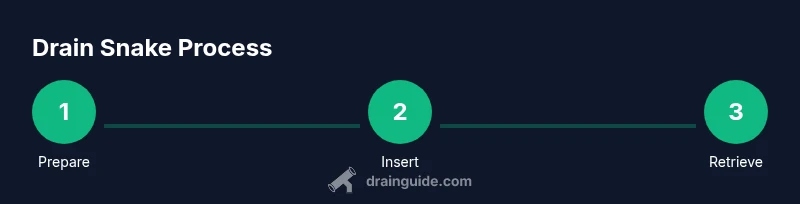
The following steps summarize the core actions you’ll take, but the detailed, actionable steps are provided in the dedicated STEP-BY-STEP section. You’ll learn how to insert the snake, execute controlled rotations, retrieve the clog, and flush the line to confirm clearance. This overview teaches you what to expect and how to pace yourself so you don’t rush and cause damage. Remember, the key is controlled movement, not brute force.
With the right approach, a snake can clear blockages caused by hair, soap scum, and mineral buildup. You’ll gain hands-on experience that improves with practice, making future clogs easier to manage. Keep your eye on the prize: a clear, functioning drain without leaks or unnecessary stress on the piping.
Common mistakes and how to avoid them
Common mistakes include forcing the snake beyond resistance, which can kink or bend pipes. Another error is rushing the insertion without securing a stable stance or protection for surrounding surfaces. Failing to protect your eyes and hands can lead to injury if the snake snaps or debris splashes. Don’t skip cleaning the trap or monitoring the water flow after a pass—residual material can quickly reseal and re-clog the line. Finally, using aggressive cleaners or chemical agents in combination with a snake can be hazardous and damage pipes or fixtures.
To prevent these issues, go slow, maintain a consistent feeding speed, and frequently pull back slightly to disengage the cable from any snag. If you encounter stubborn resistance, back off and reassess before continuing. If the clog remains after two or three passes, consider alternative methods or seek professional help.
Safety and maintenance tips for longer life and safer use
Safety first: wear eye protection, gloves, and sturdy footwear. Work in a well-lit area and avoid placing your hands near moving parts. After use, wipe down the snake, remove any debris, and store it properly to prevent rust or kinking. Inspect the fixture and pipes for signs of wear, leaks, or corrosion after a clog rush. Regular maintenance—flushing drains with hot water and a mild cleaning solution—helps prevent future blockages and extends the life of your snake.
For deeper blockages or uncertain pipe conditions, a professional plumber can provide a targeted approach that minimizes risk to your plumbing system. If you’re unsure about the pipe material or fittings, call a pro rather than forcing the tool. Drain snakes are effective, but improper use can cause more damage than good.
What to do if the snake can’t reach the clog or the blockage is stubborn
If you can’t reach the clog or it resists the snake, stop and evaluate. Consider trying a longer snake or a different tip for better grip. You may need to access the blockage from another angle or remove and clean the P-trap to recover the path. If all attempts fail, there could be a more severe blockage or a break in the line, in which case professional assistance is recommended. In all cases, avoid using chemical drain cleaners in conjunction with a snake—chemicals can react with metal coils and pipe materials and create hazardous fumes or damage.
Real-world scenarios: kitchen vs bathroom vs shower drains
Kitchen sink drains often face grease and food particles, requiring longer snakes or stronger augers and a careful cleaning approach to avoid dislodging grease plugs that can smear through the piping. Bathroom sinks and showers, clogged by hair and soap scum, respond well to shorter snakes with flexible coils. Shower drains may contain soap scum buildup and hair; use a flexible head and slow feeding to avoid tangling. In all cases, test the drain with hot water after the procedure and monitor for any leaks or unusual noises.
Understanding the unique clog profile for each fixture helps you tailor your technique and equipment. Always keep your safety gear on hand, and never force a snake through a pipe that seems blocked beyond your reach.
Troubleshooting and deciding when to call a professional
If you’ve attempted multiple passes without improvement, the clog could be beyond reach or the pipe may be venting problem. In such cases, a professional plumber can diagnose the issue using specialized cameras and tools. If you smell gas, hear gurgling, or note a recurring backup despite clearing the trap, seek professional help immediately to prevent further damage. Regular maintenance and mindful usage can reduce the frequency of clogs and the need for aggressive intervention.
Tools & Materials
- Drain snake (hand-crank or power auger)(Choose length based on fixture; 3–6 ft for most sinks; longer for kitchen runs)
- Gloves (nitrile) and eye protection(Protect skin from debris and splashes)
- Bucket and towels(Catch water and protect surfaces)
- Flashlight(Inspect the area and guide the snake clearly)
- Pliers or adjustable wrench(Useful for trap removal if needed)
- Dish soap or lubricant(Helps feed the coil through stubborn spots (use sparingly))
- Old towels for cleanup(Contain debris and water during cleanup)
Steps
Estimated time: 60-90 minutes
- 1
Prepare the area and safety gear
Clear the work area, place towels, and put on gloves and eye protection. Have a bucket ready to catch water. This reduces mess and protects you if the coil splashes or debris dislodges.
Tip: Keep a separate towel for each fixture to prevent cross-contamination. - 2
Access the drain and inspect the trap
If possible, remove the trap under the sink to inspect for a quick, obvious clog. Place the bucket beneath the trap, loosen the slip nuts, and be prepared for wastewater.
Tip: Take a photo of the trap setup before removal to simplify reassembly. - 3
Insert the snake and feed toward the clog
Insert the snake head into the drain and begin turning the handle to push the coil deeper. Apply steady pressure and keep the coil aligned with the pipe.
Tip: If resistance increases, back off slightly and re-align before continuing. - 4
Advance until you reach the clog and rotate
When you feel resistance, rotate the snake to catch the material. Maintain gentle pressure and keep turning; the goal is to hook or break up the blockage.
Tip: Avoid forcing beyond resistance to prevent pipe damage. - 5
Retrieve and evaluate the clog
Gently pull back the snake while continuing to rotate. Inspect the tip for debris and assess whether the drain should be retried.
Tip: If the head is clogged with hair, remove the hair and clean before another pass. - 6
Flush the line and test for flow
Run hot water or a strong stream through the drain to push debris out. Check for sustained drainage and lack of backflow.
Tip: Run water in short bursts to monitor progress and avoid overflow. - 7
Repeat if needed and reassemble
If flow isn’t restored, reinsert and attempt another pass from a different angle or with a longer snake. Reassemble the trap if you removed it.
Tip: Do not rush; multiple short passes can be more effective than one long push. - 8
Clean up and sanitize
Wipe tools, rinse the area, and sanitize gloves and surfaces. Store the snake properly to prevent rust or tangling.
Tip: Disinfect the work area to prevent mold or odors.
Got Questions?
Can a drain snake damage PVC pipes?
When used properly, a hand-crank drain snake is generally safe for PVC pipes. Avoid forcing the coil and use gentle, controlled movements. If you encounter stubborn resistance, stop and reassess before continuing.
Used correctly, a hand-crank snake is usually safe for PVC pipes. Don’t force the coil; move slowly and reassess if you feel resistance.
Can I use a drain snake in a toilet?
Toilets require a toilet auger (closet auger) rather than a standard drain snake. A regular snake can damage the porcelain or fail to reach the clog. Use proper toilet-specific tools and exercise caution.
A toilet needs a toilet auger. Regular snakes can harm the porcelain and may not reach the clog.
How often should I clean and maintain my snake?
Rinse the coil after each use, remove any debris, and dry it before storage. Inspect for kinks or burrs and replace worn parts as needed. Regular care extends the life of the tool.
Rinse and dry after each use, check for wear, and replace parts as needed.
Should I use chemical drain cleaners with a snake?
Avoid mixing chemical cleaners with a snake. Chemicals can react with the metal and piping, creating fumes or damage. Use mechanical methods first and resort to chemicals only if absolutely necessary and safe.
Don’t mix chemicals with a snake; use mechanical methods first and chemicals cautiously if needed.
What if the clog recurs after multiple attempts?
If clogs keep recurring, the issue may be deeper in the plumbing or a venting problem. Consider professional evaluation and potential camera inspection to identify root causes.
If clogs keep coming back, it might be deeper in the plumbing; a pro may inspect with a camera.
Is it safe to use a drain snake on a grease-filled kitchen line?
Grease buildup can stick to coils and be challenging to remove. Use a longer snake and consider flushing with hot water periodically to help move grease. If the clog persists, a professional may be needed.
Grease lines can be tough; a longer snake helps, and frequent hot-water flushes can aid movement. Seek a pro if needed.
Watch Video
The Essentials
- Choose the right snake length for the fixture.
- Feed and rotate with control to avoid pipe damage.
- Inspect traps and clean debris after use.
- Flush with water to confirm clearance.
- If unresolved, seek professional help.