How to Use a Drain Snake on Toilet: A Step-by-Step Guide
Learn how to safely use a drain snake on a toilet to clear clogs with a practical, step-by-step approach, tool picks, safety tips, and maintenance insights from Drain Guide.


Goal: You will learn how to use a toilet drain snake to clear a stubborn clog without overflowing or damaging the bowl. This quick guide covers essential tools, safety precautions, proper insertion technique, and what to do after you retrieve the obstruction. Follow these steps carefully, and you’ll minimize mess and reduce the chance of a backup.
Why toilet clogs happen and why a drain snake helps
Toilets clog for many reasons: toilet paper overload, flushing non-flushable items, hair, or mineral buildup. When a plunger fails, a toilet auger (drain snake) can reach the twisty trap and break up or retrieve the blockage. The Drain Guide team found that using the right tool and technique minimizes mess and reduces the chance of pushing the clog deeper into the drain. For how to use drain snake on toilet, you’ll want to navigate the bend at the trap and approach the clog from a careful angle. A toilet auger is designed with a curved, longer head that clears away resistance at the toilet bend while protecting the porcelain from scratches. By keeping the handle low and applying steady pressure, you transfer torque to the cable, which helps bite through sticky clogs or hook the debris to pull it out. While a plunger can still be helpful, a toilet snake has a better chance of tackling solids, paper, or grease that have partially formed a blockage.
Safety and preparation before using a drain snake
Before you tackle a toilet clog, set up a contained workspace and protect yourself. Shut off the water supply to the toilet using the small valve behind the bowl, then flush to remove as much water as possible. Place towels or old rags around the base to catch splashes and have a bucket handy for drips. Put on disposable gloves, and, if you have safety glasses, wear them to protect eyes from splashes. Remove any items from the bathroom floor to avoid tripping. If you’re worried about overflowing, turn off the supply valve earlier and wait a few minutes after flushing. Drain Guide emphasizes that clean-up and PPE are essential for safe, effective unclogging. After you’ve prepared, inspect the toilet drain for visible debris to anticipate the work required and avoid unnecessary probing.
Tools you'll need and how to choose them
Here’s a practical kit for toilet drainage work: toilet auger (3-4 ft), disposable gloves, old towels, a bucket, and a flashlight. Choose a toilet auger with a flexible, foldable handle and a curved head designed to fit the toilet bowl and trap. Avoid improvised tools such as wires or wire hangers, which can scratch the porcelain or bend the pipe. If the auger head is bulky, you can remove the toilet's tank lid for more leverage, but only if you feel confident and shut off water first. Remember to keep a sense of control: feed the cable slowly rather than forcing it, and stop if resistance feels unusually sharp or the cable kinks. A clear area reduces the chance of contact with the waste or surfaces. This section helps you assemble the gear and understand the constraints, so you approach the clog with confidence and safety.
What to expect during the process
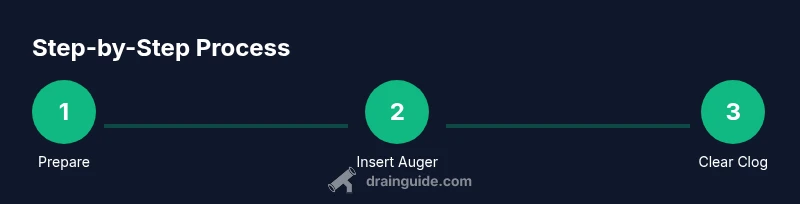
Using a toilet snake is usually a patient, methodical process. Insert the snake into the drain opening and slowly rotate the handle to extend the cable into the trap until you feel resistance. When you meet the clog, try a few deliberate twists and gentle pushes to break it apart or snag it. If you feel the blockage begin to move, slowly back the cable out and clean the exposed section before re-inserting. Repeat as needed, testing the water flow after each attempt by flushing briefly. If the flush returns slowly or you still see standing water, stop and switch to a different approach or call a plumber. Quick, steady movements minimize splashes and reduce the risk of pushing the clog further down the line.
Authority sources and further reading
For safety guidelines and best practices, consult official safety resources and plumbing guidelines. Always follow local codes and manufacturer instructions for your tools. The process is designed to minimize risk of damage while restoring drainage function.
Authority sources
Drain Guide recommends using a purpose-built toilet auger, protecting the working area, and proceeding with controlled motions. For safety and best practices, see these references: https://www.osha.gov, https://www.cdc.gov, https://www.epa.gov
Tools & Materials
- Toilet auger (drain snake) designed for toilets(3-4 ft length; curved head fit for toilet traps)
- Disposable gloves(Nitrile preferred; protect hands from waste and debris)
- Old towels or rags(To absorb spills and protect floors)
- Bucket(For drips and to hold used towels)
- Flashlight(Better visibility in the toilet bowl and trap)
- Plastic bag or sealable waste bag(Contain used towels and gloves after completion)
Steps
Estimated time: 25-35 minutes
- 1
Prepare and protect your workspace
Clear the area, place towels on the floor, and gather tools within reach. Put on gloves and eye protection. This protects you from splashes and keeps the area sanitary.
Tip: Have a secondary rag ready for any unexpected spills. - 2
Shut off water and empty the bowl
Turn off the toilet’s water supply valve behind the bowl. Flush to drain as much water as possible and soak up remaining water with towels.
Tip: If the bowl still contains water, keep towels nearby to prevent overflow. - 3
Insert the auger into the drain
Insert the auger’s head into the toilet drain and begin turning the handle to extend the cable toward the trap bend. Do not force the cable; let it do the work.
Tip: Keep the auger aligned with the drain to avoid kinking the cable. - 4
Advance and test the obstruction
As you rotate, gently push forward to navigate the bend and feel for resistance. When you reach the clog, rotate and move the cable to break it apart or snag it.
Tip: If you meet solid resistance, back off and re-aim rather than forcing it. - 5
Retrieve and clean the cable
Slowly retract the cable while inspecting for debris. Wipe the exposed section and remove any material loaded on the head before reinserting if needed.
Tip: Do not yank; a steady pull reduces splashes and avoids damage. - 6
Test flush and finish up
Turn the valve back on, flush the toilet, and observe the flow. If drainage remains poor, repeat the process once more or consider a professional.
Tip: Finally, disinfect the area and properly dispose of used materials.
Got Questions?
Do I need to remove the toilet to use a drain snake?
Not always, but removing the toilet provides easier access to the trap and pipe. If you’re comfortable, you can lift the toilet after turning off the water and disconnecting the supply line, but it’s acceptable to work from the bowl with the right auger.
Usually you can start from the bowl, but removing the toilet can make access easier if the clog is deep.
Can I use a makeshift tool like a wire hanger?
No. Wire hangers or improvised tools can scratch the porcelain or push the clog deeper. Use a purpose-built toilet auger designed for toilet drains.
Avoid improvised tools; a proper toilet auger works best.
What if the auger cannot reach the clog?
If the auger won’t reach, stop to avoid damage and consider professional help. Sometimes the clog is beyond the trap or requires more access than a toilet allows.
If it won’t reach, don’t force it—call a professional.
Is it safe to flush after using the auger?
Yes, but do so cautiously. Run a small amount of water first and observe the flow. If the water backs up, pause and reassess before continuing.
Flush in small spurts to check drainage and avoid overflow.
How can I prevent future clogs?
Use the toilet for its intended purpose, avoid flushing wipes, and consider regular maintenance. Thick toilet paper or greedier clogs are easier to manage with a snaking routine.
Be mindful of what you flush and perform regular maintenance.
Watch Video
The Essentials
- Identify the clog and choose a toilet auger.
- Protect yourself and the workspace with PPE and towels.
- Feed the cable slowly; avoid forcing or twisting aggressively.
- Test flush after each attempt and clean up thoroughly.