How to Put Drain in Sink: DIY Drain Installation Guide
Learn how to put drain in sink with a complete, safe, step-by-step approach. This DIY guide covers tools, installation steps, testing for leaks, and maintenance to prevent clogs.


Learn how to put a drain in a sink with a clear, step-by-step approach. This quick guide outlines the basic installation workflow, essential tools, safety precautions, and testing steps to ensure a leak-free connection. Use this to tackle a new sink drain, replace an old unit, or fix a slow drain without calling a plumber.
Understanding Sink Drain Systems
According to Drain Guide, understanding your sink drain system is the first step in a successful installation or replacement. A standard kitchen sink setup includes a basket strainer, a tailpiece, a trap (P-trap), and waste piping. In some homes a dishwasher inlet or garbage disposal connects downstream of the trap. Knowing these parts helps you choose the right replacement and seal them correctly to prevent leaks. When you learn how to put drain in sink, you’ll plan for easiest access, minimal dismantling, and reliable sealing.
- Basket Strainer: The visible top of the drain where waste goes in; it threads into the tailpiece.
- Tailpiece: A short pipe that extends from the strainer to the trap; it’s usually metal or plastic and can be straight or angled.
- P-trap: The curved section that holds water to block sewer gases; it should be accessible for cleaning.
- Waste Pipe: The horizontal run that moves waste to the wall drain.
Disassembly might be required if you’re replacing an old unit. In most homes, the configuration is simple enough to complete in an afternoon with basic tools. Before you remove anything, take photographs of the existing setup from multiple angles so you can replicate the arrangement when you reassemble. This step is essential to ensure the new drain assembly aligns with your plumbing fittings and to avoid misaligned holes or mismatched thread sizes. Finally, remember that if your sink has a garbage disposal, you’ll need to disconnect it before you can access the drain connection. This foundational knowledge sets you up for a smooth installation and reduces the risk of leaks. Drain Guide emphasizes careful planning to prevent leaks and ensure longevity.
Tools, Safety, and Prep
Before you begin, gather tools and safety supplies. Having everything at hand reduces delays and helps you stay organized while learning how to put drain in sink. Safety comes first: turn off the cold water supply to the sink and, if you have a garbage disposal, disconnect power by unplugging or switching off at the circuit. Place a bucket under the trap. Use towels to catch spills. Put on gloves and eye protection. Work in a well-lit area.
- Bucket (plastic): Essential to catch water as you open the drain.
- Towels or old rags: Keep the workspace dry and prevent slips.
- Adjustable wrench: For loosening nuts on the P-trap.
- Channel-lock pliers: Extra grip for tight fittings.
- Screwdrivers (flathead and Phillips): To remove screws on the strainer or disposal.
- Plumber's tape (PTFE): Seals male threads on connections.
- Plumber's putty or silicone sealant: Seals around the basket strainer base if needed.
- New drain assembly kit (basket strainer, tailpiece, washers, gaskets): Core replacement parts.
- Replacement P-trap or extension pieces: Optional, only if needed.
- Flashlight: For visibility in tight spaces.
- Cleaning brush or old toothbrush: Clean debris from pipes.
- Rags: Extra absorbent towels for cleanup.
Preparing the workspace and gathering the right tools reduces risk and speeds up the job. If your sink includes a disposal, ensure you disconnect it from power before touching any drain components to prevent accidental activation. When you’re ready, organize parts in the order you’ll use them to minimize rearranging during the install. This prep stage is a quiet but crucial foundation for a smooth, leak-free drain replacement.
Step-by-Step Overview for Installing or Replacing a Sink Drain
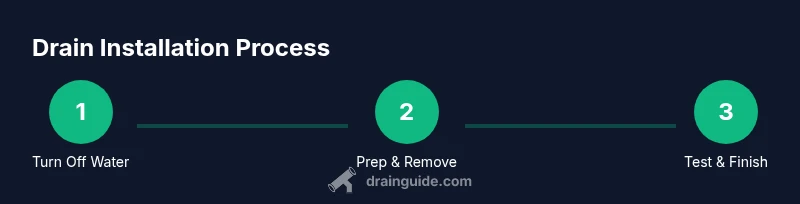
This section provides a high-level flow for installing or replacing a sink drain. The actual, detailed steps are provided in the dedicated Step-By-Step block, but understanding the sequence helps you plan and anticipate potential issues. The typical workflow includes preparing the workspace, turning off water and power to any disposal, removing the old drain components, cleaning and inspecting the trap and pipe, installing the new drain assembly with proper seals, reassembling the trap and tailpiece, and finally testing for leaks. By following this sequence and using the right seals and fittings, you’ll ensure a durable, leak-free drain connection. Remember to check for compatibility between your sink, new strainer, and existing pipes, and always tighten connections progressively to avoid crushing seals.
Troubleshooting Common Issues
Even with careful planning, you may run into a leak or slow drain after installing or replacing a sink drain. Start by inspecting all joints for proper seating and tightness. A slow drain during testing can indicate a partially clogged P-trap or misaligned tailpiece. If you see greenish or metallic corrosion, replace worn washers and ensure that metal-to-metal threads are not cross-threaded. Misalignment is a common cause of leaks; ensure that the basket strainer sits flush and that washers are in the correct orientation. If leaks persist after re-tightening, disassemble the area again, re-seat the gaskets, and reapply plumber’s tape to threaded joints. Drain-related issues are easier to resolve when you verify the direction of flow and confirm that no debris is caught behind washers or inside the trap. In some cases, a full replacement of the trap arms may be necessary to restore proper alignment. Drain Guide’s analysis shows that most DIY fix failures stem from improper sealing or misplaced traps, so rechecking these areas often fixes the problem quickly.
Maintenance and Prevention
To keep your sink drain working well, adopt a simple maintenance routine. Regularly remove the strainer and clean accumulated debris, using a small brush to reach into corners where gunk collects. Use a lightweight, natural cleanser like baking soda and vinegar occasionally to maintain neutral
Real-World Tips and Quick Recap
When you’re learning how to put drain in sink, keep the following practical tips in mind. Measure the tailpiece length before buying a new drain kit to ensure a proper fit. If you’re uncertain about pipe sizes, bring a sample or take measurements from the old parts. Always re-seat gaskets and washers securely but avoid overtightening, as this can crack fittings or squeeze washers out of place. For challenging spaces, use a flexible wrench or extendable tool to reach tight nuts. Make sure to run water and observe the joints for several minutes after installation to confirm there are no drips. Drain maintenance is a small ongoing effort that pays off in a leak-free kitchen and fewer calls to a plumber. The Drain Guide team recommends documenting your setup with photos during disassembly to simplify reassembly if you ever redo the install.
FAQ-SECTION
Tools & Materials
- Bucket (plastic)(Place beneath the trap to catch water.)
- Towels or old rags(Keep workspace dry and prevent slips.)
- Adjustable wrench(Loosen nuts on the P-trap.)
- Channel-lock pliers(Extra grip for stubborn fittings.)
- Screwdrivers (flathead and Phillips)(Remove screws on strainer or disposal.)
- Plumber's tape (PTFE)(Seal male threads on connections.)
- Plumber's putty or silicone sealant(Seal around basket strainer base if needed.)
- New drain assembly kit (basket strainer, tailpiece, washers, gaskets)(Choose size compatible with your sink.)
- Replacement P-trap or extension pieces(Only if existing parts are damaged or misfit.)
- Flashlight(Visibility in tight spaces.)
- Cleaning brush or old toothbrush(Clean debris from pipes.)
- Rags or paper towels(Clean as you go.)
Steps
Estimated time: 45-90 minutes
- 1
Turn off water supply
Locate the shut-off valves beneath the sink and turn both valves clockwise until fully closed. This prevents water from spraying as you work and protects your new drain assembly from unintended moisture exposure.
Tip: Double-check that both hot and cold valves are fully closed; test by briefly running the faucet. - 2
Protect the workspace
Place a bucket under the trap and spread towels to catch spills. Clear the area of all items to give you room to maneuver and prevent losing small washers down the drain.
Tip: Keep a rag handy to wipe metal threads so you can see if a seal is seating properly. - 3
Remove the P-trap nuts
Use the adjustable wrench to loosen the nuts on the P-trap from the tailpiece and the wall drain. Have the bucket in place to catch the water that sits in the trap before it spills.
Tip: Loosen nuts gradually; applying even pressure helps avoid snapping the plastic or bending metal. - 4
Inspect and clean the trap
Take the trap apart and inspect for cracks or worn washers. Clean any debris with a brush and wipe seals clean before reinstallation.
Tip: If the trap is corroded or cracked, replace it rather than attempting a temporary seal. - 5
Install the new drain assembly
Assemble the new basket strainer, tailpiece, and seals according to the kit’s instructions. Apply plumber’s tape to male threads and snug fittings by hand, then give a final tight turn with a wrench.
Tip: Avoid overtightening; overtightening can crack the sink or distort gaskets. - 6
Reconnect tailpiece and trap
Reconnect the tailpiece to the strainer and attach the trap with the washers in the correct orientation. Tighten gradually to ensure a proper seal.
Tip: Place a gasket on the drain outlet before threading to reduce the risk of leaks. - 7
Test for leaks
Turn the water back on and run hot and cold water through the sink. Check all joints for drips; if leaks appear, tighten fittings or reapply sealant as needed.
Tip: If leaks persist, re-check the orientation of the trap and ensure the washers are seated properly.
Got Questions?
Do I need to replace the entire sink drain or just the P-trap?
Usually you can replace the damaged part—often the trap or gasket—without replacing the entire drain. If the strainer or tailpiece is corroded, replace those components too for a secure seal.
You can usually swap out the damaged section, like the trap or tailpiece, rather than rebuilding the whole drain.
Can I reuse old plumber's putty?
It’s best to use fresh plumber’s putty or sealant when resealing the basket strainer. Old putty can crumble and fail to seal properly.
Fresh putty or sealant ensures a reliable seal and reduces leaks.
Is it safe to use chemical drain cleaners?
Chemical drain cleaners can damage pipes and seals, especially around metal traps and plastic fittings. They are generally not recommended for DIY drain installations.
Avoid chemical cleaners; mechanical cleaning is safer for most home drains.
How long does installation typically take?
For a straightforward install, plan for about 45-90 minutes depending on familiarity and space. Complex setups or disposal work may take longer.
Most DIY installs take under two hours with the right tools.
What if water backs up after reassembly?
Stop and recheck the trap alignment and gasket seating. If a blockage remains, remove the trap and clear debris. If problems persist, professional help may be needed.
If it backs up, recheck joints and consider calling a plumber if needed.
Watch Video
The Essentials
- Identify all drain components before removal
- Seal joints carefully to prevent leaks
- Test fully with running water before finishing
- Keep maintenance simple to avoid future clogs
- Document your setup for future repairs