Can You Drain a Tooth Abscess at Home? Safe Guidance and At-Home Relief
Learn why you should not drain a tooth abscess at home, plus safe at-home relief, signs to seek urgent care, and what a dentist will do to treat the infection.


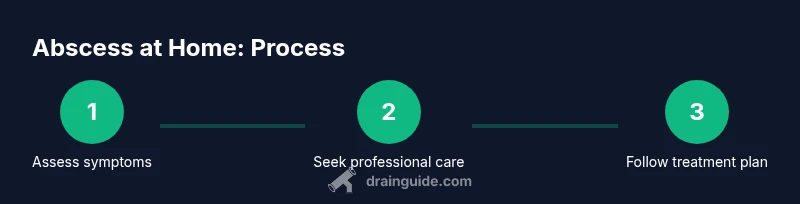
According to Drain Guide, this article explains why attempting to drain a tooth abscess at home is unsafe and what homeowners can do to manage symptoms while seeking professional care. Abscess drainage must be performed by a clinician in sterile conditions to prevent infection spread. At home, focus on pain relief and infection control with saltwater rinses, hydration, and approved analgesics while you arrange urgent dental care.
What is a tooth abscess and why you can't drain at home
A tooth abscess is a pocket of pus caused by a bacterial infection in or around a tooth. It can develop from untreated cavities, a cracked tooth, or gum disease. Common symptoms include sharp, throbbing tooth pain, sensitivity to hot or cold, facial swelling, a foul taste in the mouth, and sometimes fever. The question many homeowners ask is: can you drain a tooth abscess at home? The short answer is no. Draining a dental abscess requires sterile conditions, proper instruments, and medical judgment to avoid spreading infection or causing tissue damage. Attempting to puncture or drain the swelling with improvised tools can push infection into surrounding tissues, lead to a severe infection, or trigger sepsis in rare cases. Instead, pave the way for safe care: monitor symptoms, avoid squeezing the swollen area, maintain good oral hygiene, and begin gentle pain management under a clinician's guidance. Drain Guide emphasizes timely professional evaluation to determine if drainage is necessary and how to treat the underlying cause.
Risks of drainage attempts and why DIY drainage is hazardous
Trying to drain an abscess at home risks pushing bacteria deeper into tissues, causing rapid swelling, and introducing the infection to the bloodstream. Improper technique can also rupture the abscess, releasing pus into surrounding areas and increasing the chance of systemic infection. Home tools, even when sterile, are unlikely to replicate the controlled environment of a medical procedure. For these reasons, a clinician uses sterile equipment, anesthesia, and imaging (when needed) to determine the safest drainage approach and to address the root cause, such as decay, gum disease, or a failed root canal. Drain Guide recommends prioritizing professional assessment whenever abscess symptoms appear, rather than attempting self-intervention.
Safe at-home steps for immediate relief (not drainage)
While you should not drain the abscess, you can take steps to manage pain and limit discomfort until you see a dentist. Rinse your mouth with warm saltwater several times a day to reduce bacteria and soothe irritated tissue. Take over-the-counter pain relievers as directed by the label or your clinician, and stay hydrated. Apply a cold compress to the cheek on the affected side for 10–15 minutes at a time to help reduce swelling. Avoid chewing on the affected side and do not use heat on the swollen area, which can worsen swelling. Do not attempt to pop or drain the swelling, and avoid smoking or alcohol, which can hinder healing. These measures are supportive, not curative, and should be used while arranging professional care.
When to seek urgent care
If you notice fever, spreading facial swelling, difficulty breathing or swallowing, severe or increasing pain, or a lump that rapidly enlarges near the jaw, seek urgent medical attention. If you have a weakened immune system or a condition like diabetes, prompt evaluation is even more important. In cases of severe symptoms, go to the nearest emergency department. Early professional assessment can prevent complications and guide appropriate treatment, including whether drainage is necessary and the best antibiotics or procedures to use.
What a dentist will do during treatment
A dentist will begin with a clinical exam and likely X-rays to identify the source and extent of the infection. Treatment may include draining the abscess in a sterile setting, performing a root canal, or extracting the tooth if it cannot be saved. They may prescribe antibiotics to control the infection and relieve systemic symptoms. The underlying cause—such as extensive decay, a cracked tooth, or periodontal disease—will be addressed to prevent recurrence. After treatment, you’ll receive guidance on pain management, oral hygiene, and follow-up care to ensure proper healing.
Pain management while you wait for care
Pain from a tooth abscess can be intense. Use the recommended dose of acetaminophen or an NSAID (like ibuprofen) as directed, unless you have contraindications. Do not combine medications without guidance. A cold compress on the cheek for short intervals can help with swelling. Soft foods and avoiding extreme temperatures can reduce discomfort. Remember, these measures ease symptoms, but they do not treat the infection.
Home care to support recovery after treatment
Follow the dentist’s instructions carefully, including completing any prescribed antibiotics. Maintain meticulous oral hygiene, brush gently around the affected area, and use saltwater rinses to reduce bacteria as healing progresses. Attend all recommended follow-up appointments. If pain returns or swelling recurs after treatment, contact your dentist promptly, as this can indicate persistent infection or a secondary issue requiring further care.
Common myths about abscess drainage debunked
Myth: Draining an abscess at home will cure it. Reality: Drainage is a medical procedure that should be performed by a professional when indicated. Myth: Antibiotics alone cure abscesses. Reality: Antibiotics may help control infection but often do not resolve the source when there is trapped pus or dental decay that must be treated directly. Myth: Warm compresses alone will remove the infection. Reality: Warm compresses can reduce discomfort but do not treat the infection; professional care is essential.
How to prevent future abscesses
Preventive steps include maintaining excellent oral hygiene (brushing twice daily, flossing, and using an antiseptic mouthwash if advised), regular dental checkups, and promptly addressing tooth pain or sensitivity. Limit sugary foods and beverages, treat cavities early, and manage conditions like diabetes that can increase infection risk. A sealed, healthy dentition reduces the likelihood of future abscesses.
Quick care checklist
- Do not attempt to drain the abscess yourself.
- Rinse with warm saltwater 2–3 times daily.
- Take pain-relief medication as directed.
- Apply cold compresses to reduce swelling.
- Seek urgent dental care for evaluation and treatment.
- Follow the dentist’s aftercare instructions precisely.
Tools & Materials
- Salt(Fine-grain; use about 1/2 teaspoon per 8 oz warm water for rinses)
- Warm water(Approximately 8 ounces; not hot, comfortable to rinse)
- Over-the-counter pain reliever(As directed on label or by a clinician (e.g., acetaminophen or ibuprofen, unless contraindicated))
- Cold pack or ice(Wrap in cloth; apply 10–15 minutes at a time)
- Soft foods(Choose easy-to-chew options to avoid aggravating the area)
- Disposable gloves(Optional for handling materials; not required for home care)
Steps
Estimated time: 60-90 minutes for initial actions and scheduling; ongoing care as advised by the clinician
- 1
Contact a dental professional
Reach out to your dentist or an urgent care clinic to schedule an evaluation as soon as possible. If you have fever, facial swelling, or trouble breathing, seek urgent care immediately. The goal is to confirm the presence of an abscess and determine the safest treatment plan.
Tip: Have your dental history and list of medications ready to share with the clinician. - 2
Rinse with warm saltwater
Gently rinse your mouth with a warm saltwater solution (about 1/2 teaspoon of salt in 8 oz warm water) for 30–60 seconds. Repeat 2–3 times per day to reduce bacteria and soothe tissues.
Tip: Do not swallow the solution; spit it out after rinsing. - 3
Manage pain with guidance
Take an approved over-the-counter pain reliever according to the label or your clinician's guidance. Avoid taking more than the recommended dose and avoid combining with other nonprescribed medications without advice.
Tip: If you have prescription medications or chronic conditions, check for interactions first. - 4
Apply cold to reduce swelling
Place a cold pack on the cheek over the swollen area for 10–15 minutes at a time. This can help lessen swelling and provide temporary relief while you arrange care.
Tip: Never place ice directly on the skin; wrap it in a thin cloth. - 5
Avoid aggravating actions
Do not chew on the affected side, do not attempt to drain the abscess, and avoid smoking or drinking alcohol, which can worsen healing.
Tip: Stick to soft foods and allow the area to rest as you seek evaluation. - 6
Monitor and seek urgent care if symptoms worsen
If fever develops, swelling rapidly increases, breathing or swallowing becomes difficult, or pain becomes unmanageable, seek urgent care immediately.
Tip: Keep emergency numbers handy and share any new symptoms with the clinician promptly.
Got Questions?
Can a tooth abscess be drained at home?
No. Abscess drainage requires sterile equipment and medical supervision to avoid spreading infection. Home attempts can worsen outcomes. Seek professional dental care for evaluation and treatment.
No—abscess drainage should be done by a clinician; home attempts can worsen infection. See a dentist promptly.
What are the signs that an abscess is spreading?
Warning signs include increasing facial swelling, fever, trouble breathing or swallowing, severe pain, and a rapidly enlarging lump near the jaw. If these occur, seek urgent care.
Watch for swelling, fever, breathing or swallowing trouble. If these appear, get urgent care.
Are home remedies enough to cure an abscess?
Home measures can relieve pain briefly, but they do not cure the infection or address the underlying cause. Professional treatment is essential for resolution.
Home remedies help with comfort, not cure. You still need professional dental treatment.
When is it safe to wait and see a dentist?
If symptoms are mild and you can access urgent dental care quickly, you may wait briefly for scheduling. If symptoms worsen at any time, seek care immediately.
If symptoms stay mild and you can see a dentist soon, you may wait briefly; otherwise seek care now.
What will a dentist do to treat a tooth abscess?
A dentist will assess, may drain the abscess in a sterile setting, and treat the underlying cause (root canal, restoration, or extraction). Antibiotics may be prescribed as needed.
The dentist will assess, possibly drain, fix the source, and may prescribe antibiotics.
Watch Video
The Essentials
- Do not drain a tooth abscess at home.
- Seek prompt professional evaluation to prevent complications.
- Use saltwater rinses, hydration, and approved pain relief for relief until care.
- Follow the dentist’s plan for treatment and aftercare.