How to handle a gum abscess safely — professional care is essential
Learn why you should not drain a gum abscess at home and discover safe, evidence-based steps to manage symptoms while you arrange professional care.


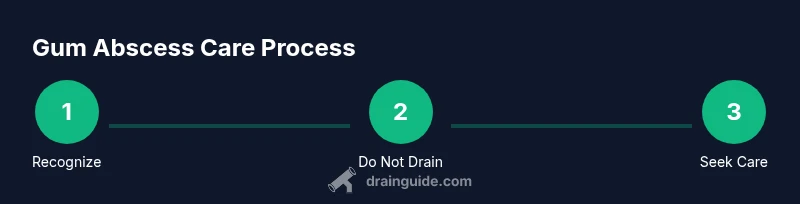
Do not attempt to drain a gum abscess at home. Draining can spread infection, damage soft tissue, and worsen the problem, potentially leading to sepsis or the need for surgical intervention. If you suspect an abscess, seek urgent dental care. In the meantime, rinse with warm salt water, avoid touching the area, manage pain with OTC meds, and keep good oral hygiene until you can see a dentist.
What is a gum abscess and why home drainage is risky
A gum abscess is a localized infection that collects pus at the gums near a tooth. It's usually caused by untreated tooth decay, gum disease, a cracked tooth, or a failed dental restoration. Early symptoms include a painful, swollen gum, sensitivity to hot or cold, a bad taste or foul odor, and sometimes fever or general malaise. Some abscesses form as a pocket next to the tooth root (periapical) or along the gum line (periodontal). The instinct to drain the lump at home is common, but attempting to puncture or squeeze the abscess can push bacteria deeper, worsen swelling, or trigger a dangerous spread of infection. Professional drainage, if needed, is performed under sterile conditions by a trained clinician. This article clarifies why at-home drainage is not recommended and outlines safe, practical steps to manage symptoms while you arrange care. The keyword you may have seen is how to drain a gum abscess at home—this guide explicitly advises against that approach. Drain Guide recommends prioritizing safety and professional care.
Causes and symptoms
Gum abscesses arise when bacteria invade the gums or tooth structure, often due to poor dental hygiene, untreated cavities, periodontal disease, or trauma. Common symptoms include sharp throbbing pain, localized swelling, tender gums, difficulty chewing on the affected side, a persistent bad taste, fever, and swollen lymph nodes in the neck. In some cases the abscess may drain spontaneously through a small opening in the gums, producing a foul odor. Recognizing symptoms early helps you seek timely care and reduces the risk of spreading infection. Remember: self-draining is not advised; professional assessment confirms whether drainage is necessary and what antibiotics or procedures are warranted. Drain Guide emphasizes that safe management starts with swift, professional evaluation rather than attempting to surgically drain at home.
Safe at-home care to ease symptoms
While you arrange professional care, you can take steps to ease pain and reduce the risk of worsening infection. Begin with saltwater rinses to cleanse the area and loosen bacteria. Maintain gentle oral hygiene, brushing with a soft brush and flossing carefully around the affected tooth. Stay hydrated and eat soft foods that don’t irritate the area. Over-the-counter pain relievers (per label instructions) can help manage discomfort, but do not exceed recommended doses. Avoid touching or squeezing the abscess, and refrain from using heat directly on the swollen area, which can increase swelling. This approach focuses on comfort and safety, not drainage, while you seek a clinician’s evaluation.
Saltwater rinse: why it helps
A warm saltwater rinse creates a saline environment that can reduce the bacterial load and soothe irritated gum tissue. Mix 1/2 teaspoon of salt in 8 ounces of warm water. Rinse for 30 seconds, spit out, and repeat 2–3 times daily or after meals. Do not swallow the rinse. This simple step is an accessible, non-prescription method that supports comfort and oral cleanliness while you pursue professional care.
Diet, hygiene, and daily habits during healing
Choose soft, non-spicy foods to minimize chewing on the affected side. Avoid alcohol, tobacco, and foods that can irritate the gums. Continue regular brushing and flossing, but be gentle around the swollen area. If you wear dentures or braces, maintain their cleanliness and ensure they do not press on the abscess. Adequate hydration supports healing. These practices do not cure an abscess but help keep the surrounding tissue healthy while you await dental assessment.
When to seek urgent care
Seek urgent care if you experience rapid spreading swelling, facial swelling, trouble breathing or swallowing, high fever, or severe dehydration. If the pain becomes unmanageable or you notice signs of a systemic infection such as fainting, confusion, or a change in mental status, call emergency services. Any swelling that blocks the airway or causes severe difficulty in daily activities is a medical emergency. Early professional evaluation greatly reduces the risk of complications.
What a dentist will do for a gum abscess
A dental professional will perform a thorough examination, including X-rays if needed, to determine the source of the infection. If drainage is required, it will be performed in a sterile environment to minimize the risk of spreading bacteria. The dentist may drain pus, clean the area, treat underlying causes (such as a decayed tooth or gum disease), and determine if antibiotics are appropriate. Depending on the tooth or gum involvement, treatment could include root canal therapy, tooth restoration, or extraction, followed by a plan to prevent recurrence. The goal is to eliminate infection, relieve pain, and restore oral health.
Antibiotics and treatment options
Antibiotics are prescribed based on the severity and extent of infection. They help control bacterial spread and work in conjunction with definitive dental treatment. Your dentist may choose broad-spectrum antibiotics or tailor therapy to the bacteria found in your mouth. Do not expect antibiotics to replace dental procedures; they are part of a broader treatment plan. Always follow the exact dosage and duration prescribed and report any side effects to your clinician.
Prevention and long-term oral health
Preventing gum abscesses focuses on daily oral hygiene: brush twice daily with fluoride toothpaste, floss daily, and use an antibacterial mouth rinse if recommended by your dentist. Regular dental checkups identify problems such as cavities or gum disease early. Address any bite or alignment issues and avoid habits that risk tooth fracture. A healthy lifestyle, including balanced nutrition and avoiding tobacco, supports immune function and oral health.
Myths vs facts about abscess drainage
Myth: Popping the abscess at home will cure it quickly. Fact: Popping can spread infection and worsen tissue damage. Myth: Antibiotics alone cure an abscess. Fact: Antibiotics alone may help with spreading infections but won’t resolve the underlying source without dental treatment. Myth: If there’s no pain, the abscess will go away. Fact: Abscesses can worsen without symptoms and still spread infection. Drainage, when needed, must be performed by a clinician in a sterile setting.
Quick at-home care checklist
- Do not attempt to drain. Seek dental evaluation promptly.
- Rinse with warm salt water 2–3 times daily.
- Use soft-bristled brush and gentle flossing around the affected area.
- Take OTC pain relievers as directed on the package.
- Monitor for fever or swelling progression and seek urgent care if concerns arise.
Decision tree and next steps
- Suspect gum abscess → 2) Do saltwater rinses and gentle oral care → 3) Call or visit a dentist within 24–48 hours → 4) If signs of systemic infection appear, seek urgent care → 5) Follow dentist’s recommended treatment plan to eliminate infection and prevent recurrence.
Tools & Materials
- Salt for saltwater rinse(Dissolve 1/2 teaspoon in 8 ounces warm water)
- Warm water(Water should be warm to touch, not hot)
- Soft-bristled toothbrush(Gently brush around the affected area without harsh scrubbing)
- Over-the-counter pain reliever(Follow label instructions; avoid giving aspirin to children and teens with viral infections)
- Cold compress(Optional to reduce swelling; wrap in cloth before applying)
Steps
Estimated time: 2-3 days until dental appointment
- 1
Avoid attempting any drainage
Recognize that self-drainage is unsafe and can spread infection. Do not puncture or squeeze the abscess. Instead, focus on symptom relief and arranging professional care.
Tip: If you’re unsure, err on the side of caution and schedule dental evaluation today. - 2
Rinse with warm salt water
Prepare a saltwater solution and rinse for 30 seconds after meals and before bed to help cleanse the area. Spit out the rinse; do not swallow.
Tip: Keep a bottle handy by the sink to remind yourself to rinse regularly. - 3
Manage pain with OTC medications
Use acetaminophen or ibuprofen as directed on the label to manage pain and fever. Do not exceed the recommended dose.
Tip: If you have medical conditions or take other meds, consult a pharmacist or clinician before use. - 4
Maintain gentle oral hygiene
Brush with a soft toothbrush and floss carefully around the affected tooth. Pay attention to avoid irritating the swollen gum.
Tip: Extra gentle care prevents further discomfort while your body fights infection. - 5
Plan a dental appointment promptly
Contact your dentist or an emergency dental clinic to arrange an evaluation as soon as possible. Delays can allow infection to worsen.
Tip: Note any fever, facial swelling, or trouble swallowing to share with the clinician. - 6
Watch for red-flag signs
If swelling spreads to the face or neck, you have trouble breathing, or you develop a high fever, seek urgent medical care immediately.
Tip: Trust your instincts—airway issues require emergency services.
Got Questions?
Can I pop a gum abscess at home?
No. Popping can spread bacteria and worsen the infection. Seek professional evaluation.
Popping a gum abscess at home can spread infection; it’s unsafe. See a dentist for proper care.
What causes a gum abscess?
Gum abscesses typically stem from tooth decay, gum disease, or trauma that allows bacteria to enter.
Gum abscesses usually come from decay, gum disease, or injury that lets bacteria in.
Are antibiotics always prescribed for a gum abscess?
Not always. Antibiotics may be prescribed if the infection has spread or as part of a dental treatment plan.
Antibiotics aren’t always needed; your dentist decides based on the infection’s extent.
Will a gum abscess go away on its own?
Without treatment, an abscess can worsen and spread. Dental care is usually required to resolve the infection.
An abscess often needs professional treatment to fully resolve, not just time alone.
Is a gum abscess an emergency?
Yes, if there’s rapid swelling, fever, trouble breathing, or you’re unable to swallow. Seek urgent care.
If you have trouble breathing or swallowing, go to emergency care now.
What should I do while waiting for a dental appointment?
Continue saltwater rinses, take OTC pain relief as directed, and avoid irritating the area. Monitor symptoms.
While you wait for a dentist, rinse with saltwater and manage pain safely.
The Essentials
- Do not attempt at-home drainage.
- Seek professional dental care promptly.
- Saltwater rinses help with comfort and cleanliness.
- Maintain gentle oral hygiene while awaiting care.
- Follow the dentist’s plan to eliminate infection and prevent recurrence.