Dental Abscess Care at Home: Safe Alternatives and Urgent Steps
This guide explains why you should not drain a dental abscess at home, outlines safe interim care, pain management, and when to seek urgent dental treatment to prevent complications.


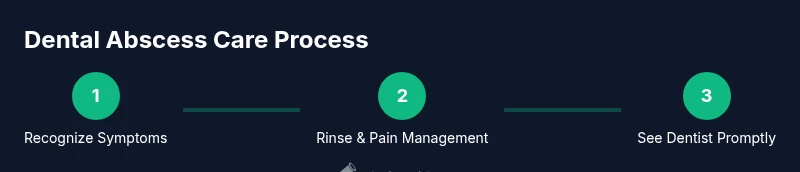
A dental abscess is a painful pocket of infection around a tooth that requires professional care. Do not drain it at home; improper puncture can spread bacteria, worsen swelling, or cause serious complications. Seek urgent dental care, use saltwater rinses, and take recommended pain relievers while you arrange urgent dental treatment today.
Why DIY drainage is dangerous and why professional care matters
According to Drain Guide, attempting to drain a dental abscess at home is dangerous. Puncturing the swelling can push infection into deeper tissues, trigger rapid swelling, airway risk, and sepsis. A dental abscess signals an infection near your tooth that needs sterile drainage and possible tooth-saving procedures performed by a clinician. This is not a DIY project. Delaying professional care can allow the infection to spread, increasing the likelihood of complications such as facial swelling, difficulty breathing, or a spread to the jawbone or neck. Immediate professional assessment helps determine whether the abscess requires drainage under sterile conditions, antibiotics, root canal therapy, or tooth extraction. If you notice rapidly worsening swelling or fever, seek urgent care or go to the emergency department.
Safe, interim steps to manage symptoms while you seek care
While you schedule a dental appointment, you can take several safe, non-invasive steps to manage pain and reduce discomfort. Rinse your mouth with warm saltwater several times a day (about 1/2 teaspoon salt in 8 ounces water). This helps lower bacterial load and soothe irritated gums. You can take an over-the-counter pain reliever as directed on the label unless you have medical contraindications. Apply a cold compress to the cheek for 10-15 minutes at a time to reduce swelling. Avoid extremely hot or spicy foods, smoking, or chewing on the affected side. Stay hydrated and rest as needed. These measures are supportive, not curative, and do not replace professional treatment. If swelling worsens or you develop trouble breathing, seek urgent care immediately.
What a dentist will do for an abscess
A dentist will perform a focused exam and take X-rays to assess the spread of infection. They may drain the abscess under sterile conditions if needed, prescribe antibiotics to control the infection, and address the underlying cause such as a cavity or cracked tooth. Depending on the diagnosis, treatments may include a root canal, pulp therapy, or tooth extraction. The goal is to eliminate infection, relieve pain, and restore function. You’ll receive post-treatment instructions on hygiene, diet, and signs that require follow-up. Early treatment improves outcomes and reduces the risk of complications.
How to prepare for an urgent appointment
Before you visit the dentist, write down your symptoms, onset, and any fever or facial swelling. List current medications, allergies, and existing health conditions. Bring any recent dental records or imaging, if available. Note the location and intensity of pain, and whether you have trouble opening your mouth or breathing. This information helps the clinician assess the severity quickly and decide on urgent care priorities. If you’ve had recent antibiotics or other medications, share that with the dentist. Being prepared can shorten your wait time and speed relief.
Recognizing emergency signs that require immediate care
Seek emergency care if you experience facial swelling that affects breathing or swallowing, persistent high fever, severe pain unrelieved by OTC medications, new numbness in the face, or the abscess accompanied by dehydration. These signs may indicate a spreading infection or sepsis, which requires immediate evaluation. Do not delay urgent care for these symptoms. If you cannot reach a dentist promptly, go to the nearest urgent care or emergency department for evaluation and stabilization.
Prevention and at-home oral health to reduce risk
Once the infection is resolved, focus on prevention: brush twice daily with fluoride toothpaste, floss daily, use an antiseptic rinse if advised by your dentist, and schedule regular dental cleanings. Limit sugary foods and drinks that feed harmful bacteria, and address dental caries and gum disease early. Prompt treatment of cavities, cracked teeth, and gum inflammation reduces the chance of future abscess formation. Regular checkups are essential to maintain oral health and prevent painful emergencies in the future.
Tools & Materials
- Salt (table salt)(For saltwater rinse: dissolve 1/2 teaspoon in 8 ounces warm water)
- Warm water(For rinsing; should be comfortable to swish in the mouth)
- Cold pack(Use on the cheek for 10–15 minutes at a time to reduce swelling)
- Over-the-counter pain reliever(Follow label directions; ibuprofen or acetaminophen are common options (consult a clinician if you have contraindications))
- Hydration(Water or non-caffeinated drinks to stay hydrated)
Steps
Estimated time: 60-90 minutes
- 1
Do not attempt to drain the abscess
Do not puncture, cut, or drain the swelling. DIY drainage can push bacteria deeper into facial tissues or the neck, causing serious infection or airway problems. Your primary action is to seek professional care immediately.
Tip: Emergency care is needed if swelling worsens or you have trouble breathing. - 2
Rinse with warm saltwater
Swish a warm saltwater solution in your mouth for 30-60 seconds and spit it out. Repeat several times a day to help reduce bacteria and ease pain while you await dental care.
Tip: Use a fresh solution each time to avoid introducing more bacteria. - 3
Manage pain with OTC medications
Take an OTC pain reliever per label directions unless you have contraindications. Do not exceed recommended doses. Pain relief helps you function while arranging care.
Tip: If you have a medical condition or are taking other meds, consult a clinician before taking pain meds. - 4
Apply a cold compress on the cheek
Place a cold pack or cool cloth on the affected cheek for 10–15 minutes to reduce swelling and discomfort. Remove for at least 15 minutes between applications.
Tip: Avoid placing ice directly on the skin; wrap in a cloth to prevent frostbite. - 5
Monitor symptoms and seek urgent care if red flags appear
If swelling rapidly increases, you have trouble breathing or swallowing, or you develop a high fever, seek emergency care immediately.
Tip: Time-sensitive signs require prompt evaluation to prevent serious complications. - 6
Prepare for your dental appointment
Make a quick notes list of symptoms, onset, medications, and any allergies. Bring your insurance info and a copy of any recent dental records if available.
Tip: A prepared patient helps the dentist diagnose efficiently and plan next steps.
Got Questions?
Is it safe to drain a dental abscess at home?
No. Draining an abscess at home can spread infection and worsen conditions. Only a licensed professional should drain under sterile conditions.
No. Don’t drain at home; seek professional care immediately.
What can I safely do at home before seeing a dentist?
Rinse with warm saltwater, take OTC pain relievers as directed, use a cold compress for swelling, and stay hydrated. These steps help manage symptoms but do not cure the infection.
Rinse with saltwater, take appropriate pain meds, and use cold packs until you see a dentist.
When should I seek emergency care for a dental abscess?
Seek emergency care if you have facial swelling that impairs breathing or swallowing, a high fever, or severe pain unrelieved by OTC meds.
Go to the emergency room if breathing or swallowing is affected.
Can antibiotics fix a dental abscess without a dentist?
Antibiotics may be prescribed by a clinician, but an exam is essential to treat the underlying cause. Self-prescribing antibiotics is unsafe.
Antibiotics require a prescription and a dentist's assessment.
What should I bring to my dental appointment?
Notes on symptoms, onset, medications, allergies, and any imaging or records. This helps the dentist diagnose quickly.
Bring your symptom notes and medication list to the visit.
Watch Video
The Essentials
- Do not drain at home; seek professional care.
- Rinse with saltwater to reduce bacteria and discomfort.
- Use OTC pain relief and cold compresses for temporary relief.
- Emergency care is required for airway swelling or fever.
- Be prepared with symptom notes for your dentist.