Drain Peritonsillar Abscess: Safe Management & When to Seek Care
Learn how to recognize and respond to a suspected drain peritonsillar abscess. This guide emphasizes medical evaluation, safe clinical drainage when needed, and aftercare for prevention and recovery.


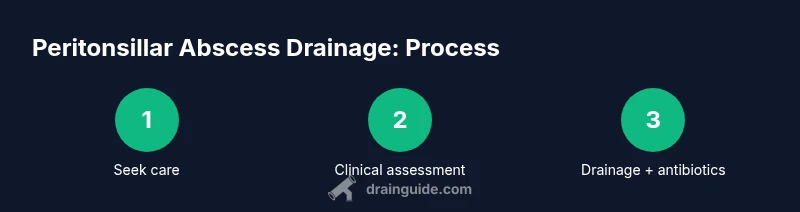
If you suspect a peritonsillar abscess, you should seek urgent medical care. Do not attempt to drain at home. A clinician in a clinical setting may drain the abscess under sterile conditions, followed by antibiotics and supportive care. Early professional evaluation helps prevent airway compromise and reduces recovery time. If you experience breathing difficulty, drooling, or severe muffled voice, seek emergency care immediately.
What is a Peritonsillar Abscess?
A peritonsillar abscess is a pocket of pus that forms near one of your tonsils when an infection spreads into the surrounding tissue. It can cause a very sore throat, fever, and swelling that may push the soft palate toward the opposite side of the mouth. In medical terms, the condition is a collection of infected fluid in the oropharynx, which may require drainage in a clinical setting. The phrase drain peritonsillar abscess is commonly used to describe the goal of treatment when a medical professional determines that pus needs to be removed to relieve pressure, reduce pain, and restore the ability to swallow. Although drainage is a standard option under the right conditions, it is not something you should attempt at home. Timely, professional care is crucial for safe management and to minimize potential complications.
Why this matters for homeowners: A PTA is not a DIY drain. It requires sterile technique, appropriate imaging or examination, and antibiotic therapy guided by a clinician. Early, professional intervention typically leads to quicker relief and reduces the risk of the infection spreading to deeper neck tissues or causing airway swelling.
Causes and Risk Factors
Most PTA cases arise as a complication of tonsillitis or pharyngitis caused by bacteria. The infection can progress when bacteria invade the tonsillar area and a pocket of pus forms. Several factors may increase risk, including prior throat infections, reduced immune function, crowded living conditions that raise exposure to respiratory infections, and recent dental or sinus infections that introduce bacteria into the throat. Other contributors include poor hydration, fatigue, or delayed treatment for sore throat symptoms. While PTA can affect people of any age, it tends to occur most often in young adults and teenagers. Understanding these risk factors helps homeowners recognize when to seek prompt medical care rather than attempting self-management.
Takeaway for homeowners: If you or a family member has persistent throat pain, fever, or sudden muffled voice, contact a clinician rather than attempting home drainage or self-treatment.
Why Drainage Is Performed (In a Clinical Setting)
Drainage is considered when a clinician determines that pus collection is causing significant pain, swelling, or airway risk, and when antibiotics alone are unlikely to provide quick relief. In a clinical setting, drainage can rapidly relieve pressure, improve swallowing, and reduce systemic infection risk. It is typically performed under sterile conditions with local anesthesia, and sometimes with short monitoring afterwards. The decision to drain is individualized, based on throat examination, imaging if needed, and the patient’s overall health. While the goal is to remove the infected material, the exact approach varies by case and by clinician preference. Patients should understand that drainage is a medical procedure, not a home remedy, and should rely on professional care for safe outcomes.
Clinical note for homeowners: Do not attempt to drain at home. Seeking timely care helps ensure that the procedure (if indicated) is performed safely and effectively.
Recognizing Symptoms and When to Seek Help
Early recognition of PTA symptoms allows for faster, safer management. Common signs include severe throat pain that worsens when swallowing, fever, a muffled or “hot potato” voice, swelling on one side of the throat, difficulty opening the mouth, and sometimes neck stiffness. A stiff neck or drooling can indicate a more urgent situation. If you observe rapid swelling, trouble breathing, difficulty swallowing liquids or saliva, or severe drooling, seek urgent care or call emergency services. Delayed care can lead to airway compromise or the spread of infection. When in doubt, it is safer to be evaluated in person by a clinician rather than waiting at home.
Homeowner tip: Keep a log of symptoms (onset, pain level, fever) to share with your clinician, which helps determine the urgency and appropriate treatment plan.
What to Expect During Medical Drainage
When drainage is indicated, a clinician will explain the rationale, risks, and alternatives. The procedure is performed under sterile conditions and usually involves local anesthesia to minimize discomfort. In some cases, a clinician may need to place a small drainage catheter or make a tiny incision to allow pus to drain. You may be observed for a short period after the procedure and given antibiotics to treat the underlying infection. Recovery varies by individual, but most people notice relief from throat pain and improved swallowing within a day or two. Potential risks include temporary soreness, minor bleeding, and, rarely, continued infection or airway-related complications. The clinician will provide written aftercare instructions, including when to resume normal activities and how to manage pain at home.
Important note for homeowners: Drainage is a medical intervention performed by trained professionals in a clinical setting, not a home remedy.
Treatments Beyond Drainage: Antibiotics and Supportive Care
Antibiotics are commonly prescribed to address the bacterial infection that caused the PTA and to prevent recurrence. Depending on the severity and local resistance patterns, a clinician may choose a broad-spectrum antibiotic initially, then tailor therapy based on culture results if available. Adequate hydration, rest, and analgesics (such as acetaminophen or ibuprofen, when appropriate) help manage symptoms during healing. In some cases, corticosteroids may be used to reduce swelling and improve comfort. It is essential to complete the full course of prescribed antibiotics even if you start feeling better. Avoiding irritants like tobacco smoke and staying well-hydrated supports recovery and reduces throat irritation during the healing process.
For homeowners: Follow the clinician’s instructions closely and seek medical attention if symptoms worsen or new symptoms develop.
Aftercare and Preventing Recurrence
After a PTA event, follow-up with your clinician is important to ensure that healing is progressing and to discuss any signs that would require further evaluation. You may need a throat swab or imaging if symptoms persist. Preventive steps include staying well-hydrated, practicing good oral hygiene, treating nasal or sinus infections promptly, and addressing recurring sore throats with your healthcare provider. If you have repeated throat infections or PTA recurrences, an ENT (ear, nose, and throat) specialist may assess the need for longer-term strategies, which could include considerations around tonsillectomy in select cases. By staying proactive and following medical advice, patients can reduce the risk of future abscesses and complications.
Bottom line for homeowners: Timely medical care and adherence to treatment plans are key to preventing recurrence and achieving a smooth recovery.
Important Safety Considerations for Home Care
Home care for a suspected PTA is focused on comfort and safety, not on attempting to drain the abscess yourself. Do not pop or squeeze the throat area, as this can worsen infection or trigger bleeding. Maintain hydration and rest, and use over-the-counter pain relief only as directed by a clinician. If you have a weakened immune system, diabetes, or other chronic conditions, seek medical care promptly, as infection may progress more rapidly. Seek urgent care if you experience severe throat swelling, drooling, difficulty breathing, or inability to swallow saliva. Realistic home measures include relief of pain and fever control under medical guidance, while all drainage-related interventions must occur in a clinical setting under sterile conditions.
Safety note for homeowners: The airway is a critical consideration in PTA cases; delaying professional care can lead to dangerous complications.
Myths vs Realities
Myth: PTA is a minor throat infection that will resolve on its own. Reality: PTA can lead to significant pain, dehydration, and airway risks if untreated. Myth: A home drain is safe and effective. Reality: Drainage requires sterile technique, imaging as needed, and monitoring to prevent complications. Myth: Antibiotics alone are always enough. Reality: While antibiotics play a key role, many PTA cases require drainage to relieve pressure and drain pus for rapid relief. Understanding the facts helps homeowners make safer decisions and seek appropriate care promptly.
Tools & Materials
- Insurance card or government ID(Bring proof of identity and health coverage)
- List of current medications and allergies(Include doses and any recent antibiotics)
- Medical history questionnaire or prior records(Share ENT history and airway conditions if available)
- Phone and emergency contact(Optional, but helpful for urgent communication)
- Pen and notebook for notes(Record questions and aftercare instructions)
Steps
Estimated time: 1-4 hours for initial evaluation and potential drainage; follow-up visits as advised
- 1
Identify warning signs
Be alert for severe throat pain, fever, muffled voice, and unilateral throat swelling. Note onset and progression to share with your clinician. Avoid self-diagnosis or home treatment; early professional evaluation is important for safety.
Tip: Keep a symptom diary (pain levels, fever, swallowing difficulty) to aid the visit. - 2
Call for urgent evaluation
If you notice rapid throat swelling or breathing changes, contact healthcare services promptly or go to the nearest emergency department. Early triage helps ensure airway safety and timely management.
Tip: Do not delay emergency care if you have trouble breathing or severe drooling. - 3
Visit a clinic or ED
A clinician will perform a throat examination and may order imaging or labs to confirm the diagnosis. They will determine whether drainage or other interventions are needed and discuss the plan with you.
Tip: Bring your symptom diary and medication list to the visit. - 4
Undergo clinical assessment
The clinician assesses airway risk, infection severity, and response to initial therapy. If drainage is indicated, it will be performed under sterile conditions with local anesthesia and monitoring as needed.
Tip: Ask about anesthesia options and expected recovery in advance. - 5
Receive drainage if indicated
If the procedure is performed, expect short-lived discomfort followed by rapid relief of pressure and pain. You’ll receive antibiotics and instructions for aftercare.
Tip: Discuss potential risks and signs of complications before the procedure. - 6
Take prescribed antibiotics
Complete the antibiotic course as directed, even if symptoms improve quickly. Antibiotics help treat the underlying infection and prevent recurrence when used appropriately.
Tip: Do not skip doses and report any side effects to your clinician. - 7
Follow aftercare guidance
Follow oral care recommendations, stay hydrated, and rest as advised. Return for a follow-up appointment or sooner if symptoms worsen or do not improve.
Tip: Keep a calendar reminder for follow-up and note any new symptoms. - 8
Monitor and escalate if needed
If you develop increasing throat swelling, fever, or difficulty breathing after treatment, seek urgent care again. Early escalation can prevent serious complications.
Tip: Trust your instincts—airway symptoms warrant prompt evaluation. - 9
Schedule a follow-up
A follow-up visit helps confirm recovery and decide if further ENT evaluation is necessary. Discuss prevention strategies and any recurrent issues.
Tip: Ask about signs that would require a repeat assessment.
Got Questions?
What is a peritonsillar abscess?
A PTA is a collection of pus near the tonsils caused by infection. It can cause severe throat pain, fever, and swelling that may threaten the airway if not treated promptly. Medical evaluation is essential to determine the need for drainage and antibiotics.
A peritonsillar abscess is a pocket of infection near the tonsil that often requires medical care. If you have trouble breathing or swallowing, seek urgent help.
Why is drainage performed?
Drainage relieves pressure, reduces pain, and helps clear the infection more quickly than antibiotics alone. Clinicians decide on drainage based on examination and imaging results.
Drainage removes pus to relieve pressure and speed recovery when antibiotics alone aren’t enough.
Can I drain a PTA at home?
No. Draining a PTA at home is dangerous and can cause severe bleeding, infection spread, and airway problems. Only trained clinicians perform drainage in a clinical setting.
Home drainage is not safe; you should see a clinician for proper treatment.
When should I seek urgent care?
Seek urgent care if you have severe throat swelling, trouble breathing, drooling, or inability to swallow. Quick assessment helps prevent serious complications.
Go to urgent care or the ER if you have trouble breathing or drooling excessively.
What should I expect during drainage?
Expect a sterile procedure performed by a clinician, usually with local anesthesia. You may receive antibiotics and pain relief, and you will be given aftercare instructions.
Drainage is done in a clinic under sterile conditions with anesthesia, followed by antibiotics and care guidelines.
Are antibiotics always required?
Antibiotics are commonly prescribed to treat infection, either with or without drainage, depending on the case. Always follow your clinician’s plan and finish the full course if prescribed.
Antibiotics are usually part of treatment, but your clinician will decide the best plan for you.
How can PTA be prevented from recurring?
Preventive steps include treating sore throats promptly, staying hydrated, and following medical advice after treatment. In some cases, ENT evaluation for longer-term strategies may be recommended.
Stay hydrated and follow up with your doctor; in some cases, further ENT assessment may help prevent recurrence.
What are potential complications of PTA?
If not treated promptly, PTA can lead to airway obstruction, spread of infection to neck tissues, or dehydration due to pain and difficulty swallowing. Immediate care reduces these risks.
Possible complications include airway issues or infection spread; seek care promptly if symptoms worsen.
Watch Video
The Essentials
- Seek timely medical care for suspected PTA.
- Do not attempt home drainage—professional care is essential.
- Clinical drainage is performed under sterile conditions and often followed by antibiotics.
- Adhere to aftercare instructions to prevent recurrence and complications.