Drain Cleaner for Drain Flies: A Complete How-To Guide
Learn how to choose and use a drain cleaner for drain flies to clear infestations, prevent recurrence, and keep drains odor-free with safe, effective steps.


This guide helps homeowners select and use a drain cleaner for drain flies to clear infested drains, reduce breeding sites, and prevent recurrence. You’ll compare enzyme-based versus chemical cleaners, learn when to apply them, and follow a safe, step-by-step approach to maintain clean, odor-free drains.
Understanding drain flies and why cleaners matter
Drain flies, also known as moth flies or sewer gnats, thrive in damp, organic-rich environments like clogged drains, garbage disposals, and bathroom pipes. When wastewater or organic residue accumulates, female flies lay eggs in a film of organic matter that clings to the sides of pipes. As larvae hatch, adults emerge and become visible near sinks, tubs, drains, and p-traps. If you’ve noticed tiny flies swirling around your bathroom or kitchen, the issue is usually tied to a persistent biofilm buildup that serves as a breeding ground. A well-chosen drain cleaner for drain flies can disrupt this cycle by dissolving organic gunk and removing slime. Drain Guide’s analysis shows that sanitation and mechanical disruption often outperform quick fixes alone. In practice, you’ll want a plan that combines cleaning products with physical removal and ongoing maintenance to keep the problem from returning.
The right cleaner depends on the severity of the infestation, the plumbing configuration, and whether you’re on a septic system. Enzyme-based cleaners work gradually to digest biofilm and are generally safer for septic systems and indoor air quality. Chemical cleaners act faster on stubborn clogs but require careful handling and thorough rinsing. For a balanced approach, many homeowners start with enzyme cleaners to slow the buildup and reserve chemical formulations for urgent blockages or severe outbreaks. The Drain Guide team recommends starting with a sanitation-focused plan and reserving stronger cleaners for targeted use after you’ve cleared visible buildup. If you’re unsure about your system, consult a professional before applying aggressive cleaners.
Prevention is as important as treatment. Even after you eliminate a current infestation, biofilm can redevelop if drains remain damp or if hair, soap scum, or grease accumulate regularly. A successful long-term strategy pairs prompt cleaning of drains with routine maintenance and mindful household habits. This approach aligns with general pest-control principles and fits many modern homes where plumbing runs through tight spaces and shared piping. By combining mechanical action with an appropriate drain cleaner for drain flies, you’ll improve your odds of a lasting solution rather than a quick, superficial fix.
bold:true],
Types of drain cleaners and their use cases
When you choose a drain cleaner for drain flies, you’re selecting a product designed to dissolve or degrade the slimy film that supports larval development. There are two broad categories: enzyme-based cleaners and chemical cleaners. Enzyme-based products use harmless bacteria or enzymes to digest organic matter in pipes. They are usually slower to act but gentler on septic systems and the environment, and they’re well-suited for ongoing maintenance and preventive care. Chemical cleaners employ caustic or oxidizing agents to break down organic material quickly. They’re effective for severe clogs and outbreaks, but they carry greater safety risks and may corrode certain pipe materials if misused. In many homes, a tiered approach works best: began with enzyme-based cleaners to reduce biofilm, then deploy chemical cleaners only if the infestation persists or a solid blockage remains.
Key considerations:
- Septic systems: Enzyme-based cleaners are generally safer for septic tank occupants and beneficial microbes. If your home relies on a septic system, favor enzymes and avoid harsh chemicals that can disrupt septic biology.
- Pipe materials: Some chemical cleaners can damage older pipes or PVC joints if used incorrectly. Always check the product label for compatibility with your plumbing.
- Temporal expectations: Enzyme cleaners may require multiple applications over weeks to show noticeable changes. For urgent needs, a properly labeled chemical cleaner used as directed can provide quicker relief.
- Mixing and venting: Never mix cleaners with household chemicals, especially ammonia or bleach. Use cleaners in well-ventilated areas and wear gloves and eye protection as recommended by the manufacturer.
From a pest-control perspective, an integrated approach often yields the best results. Drain Guide’s guidance emphasizes sanitation first and cleaner use second, supporting a safer, longer-lasting reduction in drain fly populations. If you have concerns about odor or fumes in a small apartment, you may opt for enzyme-based products first and reserve stronger cleaners for problem spots only when needed.
In addition to cleaners, consider physical steps such as removing visible hair and debris from drains, running hot water after use, and cleaning the P-trap to ensure the pathway is clear. A consistent maintenance routine is a practical extension of the chemical approach and helps you maintain a healthier home environment.
note":"In this block, you’ll see broad overviews of cleaner types and practical preferences for most homes."
bold":true],
Safety and environmental considerations
Using a drain cleaner for drain flies requires careful handling to protect people, pets, and the environment. Always read the label, follow ounces per gallon or container instructions, and use the product only as directed. Enzyme-based cleaners are generally safer for indoor air quality and septic systems, but they still require proper ventilation and hands-free handling rules. Chemical cleaners can pose more significant risks, including chemical burns, eye irritation, and harmful fumes if used improperly. Protect yourself by wearing gloves, goggles, and protective clothing when applying any cleaner. Never mix cleaners with other household chemicals, as this can trigger dangerous reactions and release toxic gases. If you have a small child or a pet at home, consider using a cleaner with child-safety features and storing products securely when not in use.
Environmental considerations matter, too. Chemical cleaners can impact water quality if discharged into septic tanks or municipal sewer systems without proper dilution. Enzymatic cleaners, being more biologically based, generally have a lighter ecological footprint. To minimize impact, choose products labeled as safe for septic systems, and avoid pouring large quantities of cleaners down the drain in a short period. If you’re unsure which option best fits your home, consult Drain Guide’s safety recommendations and consider a specialist’s assessment, particularly in older homes with complex plumbing.
Ventilation is another key aspect of safety. Run exhaust fans, open windows, or use air purifiers when applying cleaners to limit exposure to fumes. If you or someone in the home experiences persistent irritation after using a cleaner, discontinue use and rinse surfaces with water, then seek medical advice. By prioritizing safety and environmental responsibility, you reduce health risks and protect your family while addressing the drain fly problem.
Legal and regulatory considerations may apply if you live in a multi-unit building or lease space. Some jurisdictions encourage non-toxic pest-control options first and limit the use of harsh solvents in shared spaces. Always review local regulations or speak with building management before performing chemical treatments in common plumbing lines. This approach aligns with general DIY plumbing safety standards and helps prevent accidental contamination of the water supply.
To summarize safety: wear protective gear, ventilate the area, never mix cleaners, and adhere to label directions. When in doubt, consult a professional or your local extension service for guidance specific to your home’s plumbing and environmental context.
note2":"This block emphasizes safety and eco-conscious choices, encouraging readers to prioritize non-toxic options first and to consider local regulations."
Tools & Materials
- Protective gloves(Nitrile recommended; avoid latex if you have sensitivities)
- Safety goggles(ANSI-rated eye protection; splash guard optional)
- Enzyme-based drain cleaner(Label should indicate septic-safe if applicable; avoid mixing with other products)
- Chemical drain cleaner (optional)(Use only if enzyme cleaner fails; follow label strictly; keep away from children)
- Measuring cup or bottle(For accurate dosing per label instructions)
- Bucket or tray(Contain spills and catch run-off during application)
- Old towels or rags(Protect surfaces and clean up spills quickly)
- Ventilation aid (fan or open window)(Improve air circulation during application)
Steps
Estimated time: 45-75 minutes
- 1
Prepare the workspace and safety gear
Clear the area around the affected drains. Put on nitrile gloves and safety goggles, and ventilate the space by opening a window or turning on an exhaust fan. Remove any food residue nearby and protect countertops with towels. This prevents accidental contact and reduces exposure to fumes.
Tip: Always read the product label before you begin. - 2
Identify the problem drain(s) and collect materials
Locate the drains showing activity (unusual buzzing, tiny swarms, or odor). Gather your cleaner, towels, and tools at hand so you don’t have to leave the area mid-application. If you suspect multiple drains are involved, tackle them one at a time to avoid cross-contamination.
Tip: If several drains are affected, start with the least-used drain to minimize overwhelming the system. - 3
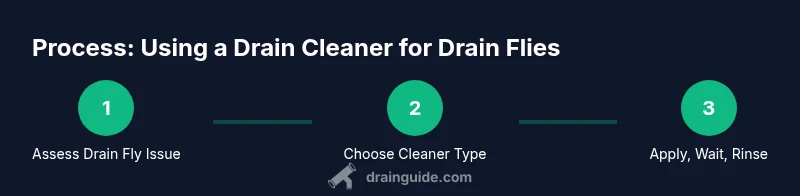
Choose the cleaner type with purpose
Decide between enzyme-based cleaners for ongoing maintenance or a chemical cleaner for a severe buildup. Enzymes work gradually and are septic-friendly; chemicals work faster but require strict adherence to label directions and sufficient ventilation.
Tip: Do not mix enzyme and chemical cleaners in the same drain. - 4
Apply the cleaner to the drain
Pour or dispense the recommended amount into the drain as directed by the label. For enzymatic products, you may need to let them sit for a prescribed period to digest organic matter. Avoid direct contact with standing water or metal surfaces unless the product specifies compatibility.
Tip: Use the full recommended dose; partial dosing reduces effectiveness. - 5
Flush and wait
Rinse the drain with hot water or as instructed on the product label. Allow time for the cleaner to work—this may range from 15 minutes to several hours depending on the product and buildup. Do not use other cleaners during the waiting period.
Tip: Keep pets away from the drain during waiting time. - 6
Reassess and repeat if needed
Check for a reduction in activity after the wait period. If flies persist, you may repeat the treatment or switch to a different cleaner, ensuring you’re not over-treating a single drain repeatedly.
Tip: Limit treatments to avoid overuse of harsh chemicals. - 7
Clean up and form a maintenance routine
Wipe down surfaces, rinse the area, and store cleaners securely. Establish a monthly maintenance plan to reduce future biofilm buildup, including running hot water after use, removing hair, and keeping traps clear.
Tip: Consistency is key to long-term control.
Got Questions?
What exactly causes drain flies in my home?
Drain flies breed in organic buildup inside drains, such as soap scum, hair, and fecal material. Persistent moisture and warm temperatures support rapid reproduction. Cleaning away biofilm and keeping drains dry reduces breeding sites.
Drain flies breed in gunk inside drains, so cleaning away the buildup and keeping drains dry helps stop them from coming back.
Are enzyme-based cleaners safe for septic systems?
Yes, enzyme-based cleaners are generally safer for septic systems because they digest organic matter with less risk to beneficial bacteria. Follow label directions and avoid overuse.
Yes, enzyme cleaners are usually safer for septic systems when used as directed.
Can I use baking soda and vinegar to solve drain fly problems?
Baking soda and vinegar can help with odor and minor buildup but are not reliable for eliminating drain flies or deep biofilm. Use them as a supplementary measure, not a replacement for targeted cleaners.
Baking soda and vinegar might help odor, but they don’t reliably solve drain fly infestations.
How long does it take to see results after applying a cleaner?
Enzyme cleaners may take days to weeks to noticeably reduce activity, while chemical cleaners can show quicker effects on buildup. Monitor drains and repeat treatments if needed, following label guidance.
Results depend on the cleaner; enzymes take time, chemicals act faster. Monitor and reapply as directed.
Should I hire a professional for a drain fly problem?
If you have a persistent infestation, multiple drains affected, or suspect sewer-line issues, a licensed plumber or pest professional can identify hidden breeding sites and provide targeted treatments.
If the problem persists or seems widespread, a professional can help pinpoint hidden sources.
Watch Video
The Essentials
- Identify the drainFly problem early
- Choose enzyme cleaners for maintenance
- Reserve chemical cleaners for stubborn clogs
- Never mix cleaners with other chemicals
- Maintain drains to prevent recurrence