How to Get Rid of Drain Flies: A Complete DIY Guide
Learn proven, homeowner-friendly steps to identify, clean, and prevent drain fly infestations. This guide covers immediate sanitation, drain maintenance, traps, and prevention strategies for lasting results.


You can get rid of drain flies by a layered approach: clean and flush all drains with hot water and an enzymatic cleaner, remove organic buildup, install screens, and use traps or a miticide only if needed. Start with identifying breeding sites, then maintain ongoing sanitation to prevent re-infestation. Consistency is key to lasting results.
Understanding drain flies
Drain flies, also called sewer gnats, are tiny moth-like insects drawn to damp, organic matter in pipes and traps. If you’re looking to drain fly get rid of, you’ll want a plan that combines sanitation, physical cleaning, and preventive measures. According to Drain Guide, proper drain fly control starts with identifying breeding points and maintaining clean drains. Once larvae have a breeding site, adult flies will continue to emerge if conditions stay humid and organic buildup remains. The goal is to disrupt their life cycle by removing biofilm, flushing drains, and reducing moisture. In most homes, the bulk of activity centers around kitchen and bathroom drains, but outside drains and sump pits can also harbor populations. You’ll often see a small, steady flow of flies around sinks, trash areas, and plumbing access panels. The key to success is consistency: a single cleaning won’t provide lasting relief, but repeated cleanings over 1-3 weeks, paired with ongoing maintenance, will dramatically reduce numbers and prevent re-infestation.
Signs and early indicators of a drain fly problem
Early detection saves you time and effort. Look for small moth-like flies around drains, and notice a musty or humid smell near plumbing fixtures. You may see tiny larvae wriggling in the drain as organic slime builds up. Sticky traps placed near suspected breeding sites can reveal activity; if you notice movement after 24–48 hours, you’re likely dealing with a live infestation. Mark potential hot zones such as kitchen sinks, bathroom vanities, laundry trays, and floor drains. If you routinely have standing water or damp, unventilated areas, expect more frequent appearances. By identifying breeding points early, you can tailor your cleaning plan to target the actual sources rather than blasting every drain in the house. Drain Guide recommends keeping a simple log of where you observe flies to map and prioritize treatments.
Breeding sites and how to confirm
Drain flies breed in organic matter that accumulates inside drains, P-traps, and sewage lines. Confirm breeding sites by inspecting the outlets of each drain for biofilm, slime, or brownish residues. A flashlight and a small handheld mirror can help you inspect hard-to-see pipe joints. If you find gunk or slime, that is your primary habitat. Do not ignore bathroom floor drains or utility sinks, which can harbor hidden colonies. In some homes, the presence of more substantial breeding sites in the garage or crawlspace may indicate a broader plumbing issue. Drain Guide suggests focusing on drains with damp conditions, regular water flow, and poor ventilation as the most likely sources of infestation.
Immediate sanitation steps you can take today
To start, clear the area around suspected drains and gather your tools. Flush drains with hot water for 60–90 seconds to loosen organic buildup. Follow with an enzymatic drain cleaner designed for septic-safe homes and let it sit per label directions. While the cleaner is working, scrub the interior of accessible drains with a stiff brush to remove slime. Wipe down nearby surfaces and dispose of any organic waste in sealed bags. Reducing moisture is crucial, so fix leaks promptly and consider running a fan or opening windows to lower humidity around the affected areas. Drain fly get rid of is more feasible when you attack breeding sites head-on and maintain a dry, clean environment afterward.
Cleaning drains and removing biofilm
Biofilm inside drains acts as a food source and breeding ground for drain flies. Start by pouring boiling water down the drain to melt and loosen any remaining gunk, then scrub with a drain brush. Use a baking soda and white vinegar combo to fizz away stubborn residues, but avoid mixing in closed containers. After brushing, flush again with hot water and apply an enzymatic cleaner to break down organic films that cleaning alone cannot remove. Repeat this process weekly for 2–3 weeks in affected drains to prevent re-growth. Always aim to keep drains dry between uses and ensure traps or screens are in place where water pools.
Traps, screens, and deterrents
Sticky traps placed near suspected drains capture adult flies and help you gauge progress. Install drain screens or mesh covers over infrequently used drains to block new flies from entering. For kitchens, ensure garbage disposal areas and compost bins are tightly sealed. While traps alone won’t eradicate a large infestation, they provide immediate relief by reducing the visible population while you execute deeper cleaning. If you use chemical deterrents, choose products labeled safe for indoor use and compatible with your plumbing system. Avoid using broad-spectrum pesticides in living spaces without following safety guidelines.
Long-term prevention and routine maintenance
Prevention is the backbone of a lasting solution. Once you have controlled the current infestation, maintain dryness by fixing leaks, repairing faulty traps, and ventilating damp spaces. Install drain covers on all sinks and floor drains, especially in bathrooms and laundry rooms. Schedule a monthly drain maintenance routine: flush with hot water, use enzymatic cleaners, scrub drains, and check for any new moisture sources. Keep trash and organic waste containers sealed, promptly empty standing water, and monitor any changes in humidity levels. If the problem returns after a few weeks, revisit your breeding-site map and expand your sanitation to previously overlooked drains. Drain Guide emphasizes consistency and a proactive approach as the best defense against future drain fly appearances.
When to call a professional
If you notice persistent activity despite 2-3 weeks of thorough cleaning and maintenance, or if you suspect sewer line issues, it’s time to call a plumber. A professional can inspect for cracked pipes, improper venting, or hidden leaks that create ongoing breeding grounds. In some cases, drain flies can be a symptom of a larger drainage problem requiring camera inspection. If you have a septic system, a professional can identify anaerobic pockets and advise on safe enzymatic products. Early professional consultation can prevent costly water damage and more invasive repairs later.
Quick start checklist and troubleshooting
- Identify all potential breeding sites (drains, traps, floor drains).
- Flush every drain with hot water for 60-90 seconds.
- Apply enzymatic cleaner and scrub biofilm from accessible surfaces.
- Install drain screens and set up sticky traps near suspected hotspots.
- Monitor for 1–2 weeks and repeat cleaning as needed.
- Fix leaks, improve ventilation, and reduce moisture around drains.
Final note on the drain fly get rid of process
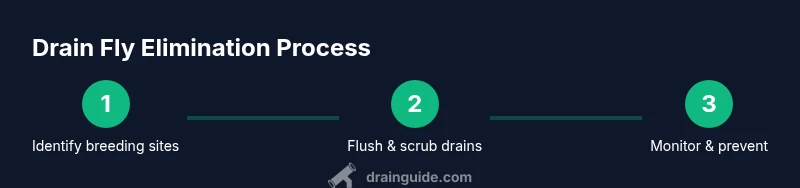
A methodical, repeatable approach yields the best results. Start with sanitation, then physical cleaning, and finally prevention. Regular monitoring and prompt addressing of moisture issues will greatly reduce the chance of re-infestation. With patience and persistence, you can achieve a long-lasting solution and enjoy a cleaner, healthier home.
Tools & Materials
- Gloves (nitrile or rubber)(Powder-free; choose size that fits snugly)
- Bucket(1-2 gallon for mixing and rinsing)
- Drain brush or old toothbrush(For scrubbing gunk from drains)
- Plunger(Flat or cup style for shallow drains)
- Enzymatic drain cleaner(Septic-safe, follow label directions)
- Boiling water(Use carefully to avoid burns)
- Baking soda(Used with vinegar for fizzing action)
- White vinegar(Combine with baking soda for cleaning boost)
- Drain snake/auger(Gentle use to avoid pipe damage)
- Screens or drain covers(Block future fly entry)
- Sticky fly traps(Optional for monitoring adults)
- Flashlight(Helpful for inspecting dark areas)
Steps
Estimated time: 60-90 minutes per main cleaning session; plan 2-3 sessions over 2-3 weeks
- 1
Identify breeding sites
Walk through all drains in the home and inspect P-traps, garbage disposals, laundry trays, and floor drains. Look for visible biofilm and damp areas. Mark hotspots with tape or noting on a chart.
Tip: Focus first on sources with persistent moisture or slow drainage. - 2
Flush drains with hot water
Pour boiling water or very hot tap water down each drain for 60–90 seconds. This helps loosen organic buildup so cleaners can penetrate biofilm.
Tip: Hot water can scald; use caution and adult supervision if children are present. - 3
Scrub and remove biofilm
Use a drain brush to scrub the inside of accessible drains, removing slime and particulates. Do not skip hard-to-reach areas near joints and bends.
Tip: Mechanical scrubbing enhances cleaner effectiveness. - 4
Apply enzymatic cleaner
Apply the enzymatic drain cleaner per label directions, allowing it to sit and digest organic matter. This step targets larvae food sources and reduces growth.
Tip: Avoid mixing cleaners; follow product-specific guidance. - 5
Install traps and screens
Place sticky traps near suspected drains to capture adults and install mesh screens over floor drains and rarely used sinks.
Tip: Screens should fit securely without gaps. - 6
Dry out and ventilate
Reduce humidity around drains by fixing leaks, using fans, and improving ventilation. Drains should not stay wet between uses.
Tip: Even small reductions in moisture significantly slow breeding. - 7
Monitor and re-clean as needed
Observe flies for 1–2 weeks. If activity persists, repeat sanitation steps and reapply cleaner.
Tip: Consistency beats intensity; shorter, repeated cleanings work better than one-off deep clean. - 8
Prevent future infestations
Keep drains covered, fix leaks promptly, and maintain a regular cleaning schedule to prevent reappearance.
Tip: Create a maintenance calendar to stay on track.
Got Questions?
What causes drain flies to appear?
Drain flies breed in damp organic matter inside drains, trash areas, and sewer lines. They multiply quickly when moisture and biofilm are present. Regular cleaning and moisture control reduce new generations.
Drain flies appear when there’s damp, organic buildup in drains, which lets larvae develop and adults emerge. Reducing moisture and cleaning the biofilm helps stop them from thriving.
Are drain flies harmful to people or pets?
They are primarily a nuisance and do not bite or spread disease in typical home settings. However, large infestations can indicate plumbing problems that may require attention.
They’re mainly a nuisance, not dangerous to people or pets, but they signal possible plumbing issues you should address.
How long does it take to get rid of drain flies?
With thorough cleaning and prevention, you may notice fewer flies within a week. Complete elimination can take several weeks, especially if breeding sites extend beyond visible drains.
It can take days to weeks, depending on the extent of infestation and how consistently you maintain cleaning and moisture control.
Will drain flies come back after I clean?
If leaks persist or drains stay damp, new generations can emerge. Regular maintenance and preventative measures greatly reduce reappearance.
Yes, unless you fix moisture sources and maintain cleaning routines, they can return.
Can I use bleach or chemical cleaners to kill drain flies?
Bleach may kill some adults on contact but is not reliable against larvae inside biofilm. Enzymatic cleaners and traps are more effective when used as part of a broader plan.
Bleach alone isn’t a reliable solution and can harm pipes if overused.
When should I call a professional?
If infestation persists after 2-3 weeks of cleaning or you suspect sewer line issues, consult a plumber for a camera inspection and structural repairs.
If it keeps coming back after cleaning, it’s time to get professional help.
Watch Video
The Essentials
- Identify breeding sites first and target those areas.
- Combine sanitation with mechanical cleaning for best results.
- Use enzymatic cleaners and traps to reduce populations.
- Maintain dryness and monitor regularly to prevent re-infestation.