How to Clean Drain Smell
Learn practical, step-by-step methods to eliminate drain odors in your home. From trap checks to baking soda and vinegar treatments, this guide helps DIYers restore fresh, odor-free drains safely.


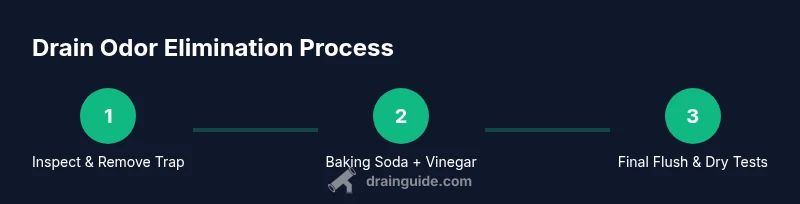
To remove a persistent drain smell, start with a thorough physical cleaning of the drain and the P-trap. Flush with hot water, then target odors with a baking soda and vinegar treatment followed by a hot water rinse. If the smell persists, inspect the trap seals and venting for dry traps or sewer gas entry points.
Understanding Why Drain Odors Happen
Drain odors are usually the result of three main factors: a dry or partially filled P-trap that allows sewer gases to escape, biofilm buildup on the pipe walls that produces foul smells as it decomposes, and venting issues that fail to equalize pressure and vent sewer gases safely to the outdoors. When the trap water evaporates, air can flow back up the drain and carry odor into your kitchen or bathroom. Regular maintenance—especially in sinks, tubs, and floor drains—helps prevent odors from taking hold. This section explains the science behind common sewer smells and how simple maintenance actions can disrupt the odor cycle. According to Drain Guide, routine cleaning reduces odor-causing buildup and preserves plumbing health. Understanding these mechanisms gives you a clear, non-intimidating path to a fresher home. The good news is that most odors are reversible with accessible tools and foods-safe cleaners, and you don’t always need specialized equipment to restore a neutral drain environment. By recognizing whether the smell comes from a dry trap, organic residue, or venting fault, you can choose the right remedy and avoid over-cleaning or unnecessary chemical use.
From a DIY perspective, odor prevention hinges on consistency. Even small habits—like running hot water for a few seconds after using the sink, cleaning the drain cover weekly, and inspecting the P-trap during routine chores—reduce odor frequency dramatically. If you have a garbage disposal, use cold water when grinding waste and run the disposal after cleaning to push debris out. In homes with older piping or hard water, mineral buildup can contribute to slower drainage and odor persistence, so consider proactive maintenance as part of your seasonal home-care routine.
Maintenance and Quick Fixes You Can Try
Before you disassemble anything, try these low-effort fixes that address most odor sources. Start with a hot water flush to clear residual oils and grime. Then apply a baking soda and white vinegar treatment to the drain: pour 1/2 cup baking soda into the drain, followed by 1 cup white vinegar, and cover for 5-15 minutes to let the fizz break down gunk. Rinse with hot water to flush out loosened debris and neutralize acids. For metal pipes or older P-traps, avoid boiling water if the system uses plastic components that could warp. Instead, use the hottest tap water you can safely run. Finally, wipe down the drain cover and any accessible piping under the sink to remove lingering residues that can contribute to smell. If the odor persists after these steps, the issue may be deeper—involving the trap water level, venting, or a more stubborn biofilm. This is a good moment to inspect the P-trap for dryness, check the vent line for blockages, and consider professional guidance if needed. Drain Guide recommends pairing routine maintenance with mindful cleaning and regular trap testing to keep odors at bay consistently.
Practical tips for beginners: keep a small bottle of baking soda and white vinegar under the sink for quick odor neutralization, and use a stiff brush or old toothbrush to scrub the trap and flange where grime hides. A mild dish soap can help loosen grease, but avoid harsh cleaners that can damage seals or plastic components over time. If you run into stubborn residue, don’t force components apart; take a careful approach and reassemble with proper gaskets to prevent leaks.
Deep Clean and Troubleshooting Steps
A deep clean targets the most stubborn odors caused by biofilm and mineral buildup. Begin by turning off the water supply under the sink and placing a bucket beneath the P-trap. Remove the trap carefully using a wrench if necessary, and inspect for cracks, corrosion, or broken seals. Clean the trap thoroughly with warm, soapy water and a brush to remove any gunk. Reinstall with a new washer if the old ones look worn. Once the trap is reconnected, flush the system with hot water to push debris through the pipes. If you still notice odor, perform a baking soda and vinegar treatment inside the drain, wait 5-15 minutes, then flush again with hot water. Finally, check the vent line for blockages—scented odors that persist after cleaning may indicate venting problems that require professional assessment. Drain Guide suggests documenting odor frequency and maintenance dates to track progress and identify recurring issues that point to mechanical fixes rather than temporary remedies. If the smell returns after a few days, consider whether there are nearby drains sharing vents or if a nearby decaying organic source (like a clogged trap or trap seal failure) could be contributing. Remember that persistent odors can signal deeper problems, such as sewer gas intrusion or a cracked pipe; in those cases, consult a licensed plumber.
To avoid future odors, keep the trap water level topped up, run hot water periodically, and perform a quarterly deep clean of all accessible traps and drain lines. Use a drain brush to physically remove buildup and consider annual professional inspections if odors recur despite routine home maintenance.
Tools & Materials
- P-trap wrench(Needed to detach trap under the sink)
- Bucket(Catch water and debris when removing the trap)
- Gloves(Protect hands during disassembly and cleaning)
- Baking soda(About 1/2 cup for deodorizing treatment)
- White vinegar(About 1 cup for fizzing reaction)
- Dish soap(Optional for greasy residue)
- Hot/boiling water(For rinsing and flushing)
- Old toothbrush or brush(Scrub trap and flange)
- Towel or rag(Clean up spills and wipe surfaces)
Steps
Estimated time: 45-60 minutes
- 1
Disconnect and inspect the P-trap
Place a bucket under the trap, loosen the nuts with a wrench if needed, and carefully remove the P-trap. Check for cracks, corrosion, and trapped debris. Clean the trap interior with warm soapy water and a brush, and set aside to dry before reassembly.
Tip: Do not overtighten nuts when reassembling; snug securely to prevent leaks. - 2
Rinse the drain and pipes with hot water
Pour hot (not boiling) water down the drain to flush out loose buildup and oils. This helps clear minor clogs and reduces odor-carrying residues. Repeat if you notice resistance or slow drainage.
Tip: Handle hot water carefully and avoid steam burns; keep face away from the drain opening. - 3
Apply baking soda, then vinegar
Pour 1/2 cup baking soda into the drain, followed by 1 cup white vinegar. Cover the drain to contain fizzing for 5-15 minutes. After the fizzing subsides, flush with hot water to carry away loosened debris.
Tip: Do not mix with bleach; never seal a drain tightly during fizzing to avoid pressure buildup. - 4
Flush with boiling water and recheck
If your piping material allows it, flush again with boiling water for a thorough rinse. Reconnect the P-trap and run water to confirm free flow and no leaks. Reassess odor; if it persists, proceed to further troubleshooting or vent inspection.
Tip: Boiling water can warp PVC in older pipes—use the hottest safe temperature for your system. - 5
Vent check and final test
If odors linger after a thorough trap cleaning, inspect the vent line for blockages or signs of improper venting. Clear any obstructions if safely accessible, and conduct a final water test. If odor remains, consider professional evaluation for venting or sewer-line issues.
Tip: A blocked vent often causes odors without obvious clogs; a professional assessment saves time and avoids risky DIY attempts.
Got Questions?
What causes drain smells?
Most odors come from a dry trap, organic buildup, or venting issues. Regular cleaning helps prevent recurring smells.
Most odors come from dry traps, buildup, or venting problems. Regular cleaning helps prevent them.
Is it safe to mix baking soda and vinegar in drains?
Yes, baking soda and vinegar are generally safe for drains when used separately and rinsed well. Do not mix with bleach or other cleaners.
Yes, they’re usually safe when used separately and rinsed. Don’t mix with bleach.
Can hot water alone remove odors?
Hot water helps flush away loose debris and some oils, but it may not remove biofilm. Combine hot water with a cleaning agents for best results.
Hot water helps, but you should pair it with cleaning agents for stubborn buildup.
When should I call a plumber?
If odor persists after comprehensive cleaning, if you suspect vent failures, recurring clogs, or if you notice sewer backups, consult a licensed plumber.
If odors persist after cleaning or you suspect vent issues, call a plumber.
How can I tell if a trap is dry or missing water?
A dry trap shows little to no water in the U-bend, a gurgling sound when you run water, or a strong sewer smell from the drain.
Dry traps often show no water in the U-bend and a gurgling sound.
Are there odors from garbage disposals that I should handle differently?
Disposal odors respond well to cold-water rinses and periodic freshening with baking soda. Avoid using harsh chemicals inside disposals.
Disposals benefit from cold-water rinses and baking soda; avoid harsh chemicals.
Watch Video
The Essentials
- Identify the odor source: trap, biofilm, or venting.
- Use baking soda and vinegar as a safe deodorizing combo.
- Always flush thoroughly with hot water after treatments.
- Persistent smells may indicate vent or sewer issues requiring professional help.