What Are Drain Flies and How to Get Rid of Them
Learn what drain flies are, how they breed, and practical, safe methods to remove them from your home. This Drain Guide tutorial covers identification, drain cleaning, traps, and prevention.


Drain flies are tiny, moth-like pests that breed in moist organic buildup inside drains. This guide provides a practical, step-by-step plan to identify, clean, trap, and prevent them from returning. By following these steps, homeowners can reduce adults quickly and prevent recurrence.
What drain flies are and why they show up
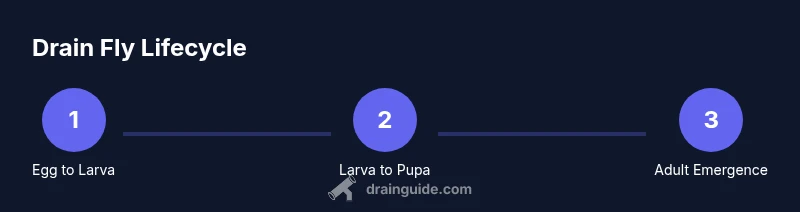
According to Drain Guide, drain flies, also called moth flies or sewer gnats, are tiny insects about 2-5 mm long with fuzzy moth-like wings. They thrive in moist, organic matter found inside drain pipes, graywater lines, and clogged traps. The life cycle is quick: eggs hatch into larvae in damp film, then pupate into winged adults that hover near drains. This guide draws on Drain Guide’s research to explain how to identify and stop breeding populations. Most infestations begin where moisture, debris, and warmth combine—clogged drains, poorly vented pipes, or standing water in P-traps. Regular cleaning disrupts their breeding sites and reduces adult activity. What are drain flies and how to get rid of them? Keep moisture under control and clean surfaces regularly to minimize habitat.
Signs that you have a drain fly infestation
Drain flies leave telltale clues. You may notice tiny moth-like flies near bathroom or kitchen drains, especially at night. A faint, musty odor can accompany heavy breeding, and you might see a fuzzy, powdery crust around the drain or in the trap area. In severe cases, you’ll observe clusters of live adults fluttering at the drain outlet. If you spot any of these signs, start an inspection of all potential breeding sites and set up traps to confirm activity. This is the moment to act fast to prevent a larger infestation.
Core habitats: where drain flies breed in your home
What are drain flies and how to get rid of them begins with finding their breeding sites. They love damp organic films in drains, grease buildup in kitchen lines, and clogged traps where water stagnates. They can also breed in bathroom vents, floor drains, and even in the wastewater lines of dishwashers or garbage disposals. Each site provides the warm, moist conditions these flies require. Start by inspecting every drain, trap, and moisture-prone area in kitchens, bathrooms, laundry rooms, and basements. Reducing moisture and removing organic film at these hotspots is key to long-term control.
Immediate steps to control an active infestation
Act quickly when you detect drain fly activity. Begin by clearing standing water from traps and nearby surfaces. Use a plunger or drain auger on affected drains to remove blockages and disrupt breeding sites. Follow with a thorough flush of hot water (or boiling water where materials allow) to loosen slime and debris. Set up sticky traps near drains to capture adults and monitor progress. These steps reduce the population while you work on deeper cleaning and moisture control.
How to clean and sanitize drains effectively
The core of what are drain flies and how to get rid of them lies in cleaning. Remove the P-trap and clean it thoroughly with a bottle brush, then scrub the interior surfaces of the drain with a stiff brush or drain-cleaner brush to remove slime. Rinse with boiling water and a lab-grade enzyme-based cleaner designed for septic systems. After mechanical cleaning, flush the line with hot water several times to ensure the organic film is broken down. This combination is more reliable than relying on chemical cleaners alone.
DIY traps and monitoring methods
Effective monitoring helps you gauge progress. Place sticky traps or clear cups with a small amount of apple cider vinegar and dish soap near the affected drains to attract and trap adults. Replace traps daily for a week and observe declines in captured flies. These traps don’t eliminate the problem by themselves but provide immediate feedback on infestation levels while you implement deeper cleaning and moisture control. Remember, traps are for monitoring and control, not a sole solution.
When and how to use chemical options safely
Chemical options can aid control but must be used with care. Enzyme-based cleaners digest organic matter and are generally safer for septic systems than chlorine-based products. If you choose chemical cleaners, follow the manufacturer’s instructions, avoid mixing products, and never mix bleach with ammonia or acids. Avoid harsh chemical regimens in kitchens where food preparation occurs, and always ventilate the area. Chemicals should supplement physical cleaning, not replace it.
Preventive maintenance to keep them away long-term
Prevention is the best cure. Fix leaks and hose bibs that create persistent moisture, repair damaged venting, and keep drains clean with a monthly routine. Use strainers to block food debris, insulate pipes to reduce condensation, and ensure proper air gaps in drainage systems. Regular cleaning disrupts the life cycle of drain flies and reduces the chance of reinfestation. A consistent moisture-control strategy is your best defense.
Realistic expectations: how long does this take?
Expect a staged process. You may see rapid reductions within a few days after the initial cleaning, but full elimination can take 2-4 weeks depending on the size of the colony and the number of breeding sites. Periodic monitoring and maintenance will prevent quick rebounds. Patience and persistence are essential when addressing what are drain flies and how to get rid of them.
Common myths vs facts
Myth: Drain flies come from garbage disposals only. Fact: They breed in any moist organic film, including drains, traps, and greases. Myth: Bleach alone will eradicate an infestation. Fact: Bleach can help in some cases but often doesn’t remove the biofilm; enzymatic cleaners and mechanical cleaning are needed. Myth: Once you see no flying adults, the problem is gone. Fact: Eggs and larvae may survive; continuous maintenance is required to prevent rebound.
Authority sources and further reading
For deeper understanding and corroborating guidance, consult reputable sources. The EPA, CDC, and university extension programs offer general pest-management principles and drain-maintenance practices that support home remediation. These sources emphasize moisture control, regular cleaning, and safe use of cleaners to protect people and plumbing systems. Always align your actions with local codes and your home’s plumbing configuration.
Tools & Materials
- Plunger (cup plunger)(Use a flat rubber plunger; ensure a good seal against the drain opening)
- Drain auger / plumber's snake(20–50 ft length is ideal for main lines)
- Pipe brush or stiff bottle brush(Scrub interior surfaces thoroughly)
- Boiling water(At least 1 gallon per drain; handle carefully)
- Enzyme-based drain cleaner(Septic-safe; follow label directions)
- Gloves (rubber)(For hygiene and safety during cleaning)
- Sticky fly traps(Place near drains to capture adults)
- Mop bucket and towels(Contain and clean up debris)
- Mask or eye protection(Optional when handling cleaners)
- Measuring cup / spray bottle(For cleaning solutions as needed)
Steps
Estimated time: 2-3 hours
- 1
Inspect drains for breeding hotspots
Systematically examine all sinks, floor drains, and traps for moisture, slime, and standing water. This helps you identify where drain flies are most likely breeding and where to start cleaning.
Tip: Document which drains show activity to prioritize steps. - 2
Remove standing water from traps
Empty and dry any standing water in P-traps or traps under sinks. Moist environments sustain larvae and eggs, so removing water reduces habitat availability.
Tip: Use towels to dry surrounding surfaces after flushing. - 3
Disassemble and clean P-traps
Take apart accessible traps and scrub the interior with a pipe brush. Rinse with hot water to remove slime and organic debris.
Tip: Check for cracks or leaks while the trap is exposed. - 4
Scrub drain interiors with a brush
Scrub the drain openings and the visible interior walls to remove biofilm and accumulated organic matter that feed larvae.
Tip: Pay attention to corners where slime tends to accumulate. - 5
Flush drains with boiling water
Carefully pour boiling water into each drain to loosen films and kill some larvae. Do this in multiple passes if needed.
Tip: Do not pour boiling water into metal components that may warp; proceed with caution. - 6
Apply enzyme-based drain cleaner
Apply an enzyme-based cleaner according to label directions to digest organic buildup in the pipes.
Tip: Avoid mixing cleaners and ensure adequate ventilation. - 7
Set up monitoring traps
Place sticky traps near the drains to catch adults and measure progress over the next few days.
Tip: Update or replace traps daily for accurate progress. - 8
Address moisture sources
Identify and fix leaks, poor venting, or condensation issues that keep drains damp.
Tip: Improved airflow can dramatically reduce habitat suitability. - 9
Clean surrounding surfaces
Wipe down sinks, countertops, and any damp areas with a disinfectant to remove lingering residues.
Tip: Keep surfaces dry after cleaning to deter re-infestation. - 10
Create a maintenance plan
Establish a monthly routine of drain cleaning, moisture control, and trap monitoring to prevent recurrence.
Tip: Schedule reminders to maintain consistency.
Got Questions?
What are drain flies and how can I identify them?
Drain flies are tiny moth-like insects that breed in moist organic matter inside drains. They’re best identified by their small size, fuzzy wings, and their tendency to hover around drains, especially at night. Look for larvae or a powdery biofilm near the drain opening.
Drain flies are tiny moth-like insects that live in damp drains. Look for small fuzzy-winged flies near sinks or showers, especially at night.
Can drain flies come from a single drain or multiple drains?
They can originate from a single contaminated drain or multiple drains connected to the same plumbing system. Inspect all nearby drains, traps, and venting areas to assess the full extent of the infestation.
They can come from one drain or several linked drains. Check all nearby drains and vents to understand the scope.
What is the fastest way to reduce drain fly numbers?
Immediately remove standing water, scrub affected drains, and flush with hot water. Combine with enzyme cleaners and monitoring traps to confirm a decline in activity over 1-2 weeks.
First remove standing water, scrub the drains, flush with hot water, and use enzyme cleaners while monitoring with traps.
Are DIY methods safe for my plumbing and septic system?
Yes, when done carefully. Use enzyme cleaners or natural methods first and avoid harsh chemical mixes. If you have a septic system, choose septic-safe products and avoid clogging by overloading with cleaners.
DIY methods are safe if you follow the product directions and avoid mixing cleaners or overloading the septic system.
How long before I see a real improvement?
Expect gradual improvements over 1-3 weeks. A full elimination may take several weeks, depending on infestation size and the effectiveness of moisture-control measures.
You should see progress within one to three weeks, with full elimination possibly taking longer.
Should I call a professional if the problem persists?
If DIY efforts fail after several weeks or you have a complicated plumbing layout, a licensed plumber or pest professional can assess hidden breeding sites and offer targeted solutions.
If DIY steps don’t work after a few weeks, consider a licensed plumber or pest professional for a deeper inspection.
Watch Video
The Essentials
- Identify all breeding sites and target moisture-heavy zones.
- Combine mechanical cleaning with enzyme-based treatments.
- Monitor activity with traps to verify progress.
- Address leaks and venting to prevent recurrence.