Drain Bug Guide: Identify, Remove, and Prevent Drain Flies
Learn to identify drain bugs (drain flies), eliminate breeding sites, and prevent future infestations with practical, home-friendly steps. This Drain Guide How-To covers inspection, cleaning, and long-term prevention.


By the end, you'll be able to spot signs of a drain bug, contain the issue, and prevent future infestations with simple, home-friendly steps. This guide uses practical methods and safety first. According to Drain Guide, effective moisture control, thorough drain cleaning, and routine maintenance are key to keeping drains pest-free.
What is the drain bug?
Drain bugs, commonly called drain flies, are tiny moth-like insects that hover around moist drains. They belong to the family Psychodidae. Their pale gray bodies are about 1.5-5 mm long, and they are weak fliers that swarm near openings. The larvae feed on organic debris in the slimy film inside pipes. Adults emerge from this film after a breeding cycle. According to Drain Guide, understanding the drain bug life cycle helps you plan cleaning windows: eggs, larvae, pupae, and adults each stage needing attention. In homes, the most reliable triggers are moisture and organic buildup in kitchen and bathroom drains. If you spot tiny flies near your sink, shower, or toilet, focus your inspection on drain traps, p-traps, and the immediate drain area. The term drain bug is generic, but the culprit is usually drain flies or sewer gnats that breed in the moist environment of your plumbing system. This knowledge helps you target cleaning efforts rather than chasing unsystematic solutions.
Life cycle and behavior of drain bugs
Drain bugs go through a four-stage life cycle: eggs laid in slimy film inside drains, larvae feeding on organic matter, pupae developing, and adults emerging to reproduce. The larvae can survive in a moist, nutrient-rich film that often coats the inside of pipes, especially in warm areas like under sinks and in shower drains. Adults rest near the source of moisture and are attracted to light, so you’ll commonly see them around the sink, tub, or bathroom vent. The Drain Guide Team emphasizes that breaking the cycle requires addressing both adult activity and the breeding sites. Regular maintenance of traps, screens, and drain outlets minimizes food sources for larvae and keeps populations from mounting.
How drain bugs spread through a home
Drain bugs don’t fly far, but they can quickly migrate between connected plumbing fixtures if moisture and organic residue persist. A clogged kitchen sink, a slow-draining bathroom drain, or a seal around a tub trap can create continuous breeding grounds. Gaps in venting or poorly sealed pipes may allow adults to move from one room to another, especially in multi-story homes or apartments with shared plumbing. The Drain Guide analysis notes that inspecting all drains within the home—kitchen, bathroom, laundry, and utility sinks—gives you the full picture of infestation pathways and helps you close routes that allow reinfestation.
Signs you have a drain bug infestation
Tiny, moth-like flies near drains are the most obvious sign of a drain bug problem. Look for a fine, filmy residue around the drain, a musty odor, or hatchlings visible in the drain trap. You may also notice short bursts of activity when the lights are off, as some adults emerge from the pipe during low-traffic times. In some cases, homeowners report seeing tiny dots that resemble pepper around the drain area—these are cast skins or larvae remnants. Early detection is key; treat suspicious drains promptly to prevent a larger outbreak. Drain Guide recommends keeping an eye on both visible surfaces and inside accessible traps.
Cleaning plan overview
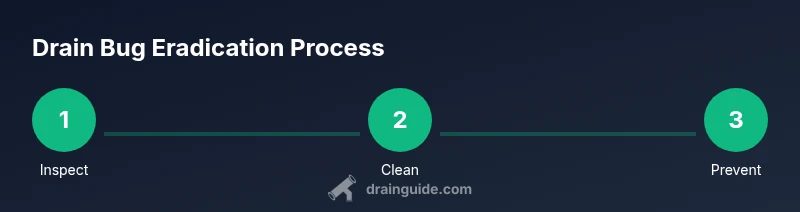
A structured plan begins with a thorough drain cleaning, then moves to moisture management and preventive maintenance. Start by removing visible debris and flushing the drain with hot water. Follow with an enzymatic cleaner to digest accumulated organic matter and reduce available food for larvae. Finally, seal and monitor the drain area to cut off future breeding sites. This high-level approach aligns with best practices from Drain Guide and sets the stage for deeper, step-by-step actions.
Prevention strategies to keep drains pest-free
Prevention focuses on eliminating moisture, removing organic buildup, and ensuring drains are as dry as possible when not in use. Regular flushing with hot water, occasional app of enzyme-based cleaners, and routine trap cleaning drastically reduce breeding opportunities for drain bugs. Sealing gaps around pipes, fixing leaks, and using drain stoppers when sinks or tubs are not in use can also help. The aim is to make drains unattractive to drain bugs and disrupt their life cycle before an infestation begins.
Safety considerations and long-term outlook
Work safely by wearing protective gloves and eye protection when handling cleaners, and never mix cleaners with ammonia or other household chemicals. Ventilate the area well, especially when using strong cleaners or steam. Long-term, combine robust cleaning routines with moisture control and regular inspections to keep drain bugs from returning. By adopting a proactive maintenance mindset, you reduce future outbreaks and extend the life of your plumbing system.
Tools & Materials
- Flashlight(Bright, adjustable beam; inspect dark pipe junctions.)
- Rubber gloves(Protect hands from cleaners and grime.)
- Drain brush / old toothbrush(Scrub slime from pipe rims and traps.)
- Bucket(Catch debris and carry cleaning water.)
- Baking soda(Use for gentle scouring and deodorizing.)
- White vinegar(Natural cleaner, helps loosen film.)
- Enzymatic drain cleaner(Digest organic matter to reduce larvae food.)
- Boiling water(Flushes loose debris; caution to avoid burns.)
- Plunger (cup style)(Breaks up minor clogs and loosens debris.)
- Protective eyewear(Optional but recommended when splashing cleaners.)
Steps
Estimated time: 1-2 hours
- 1
Gather supplies and protect yourself
Collect gloves, a flashlight, enzymatic cleaner, baking soda, vinegar, and hot water. Put on gloves and eye protection. This ensures you work cleanly and safely from the start.
Tip: Lay out all items within arm’s reach to avoid searching mid-clean. - 2
Identify suspect drains and traps
Turn on the lights and inspect each suspected drain. Check under sinks, the p-trap, shower drains, and floor drains for slime, gunk, or trapped debris. Document any odors or active flies.
Tip: Don’t overlook utility sinks and laundry drains; they often harbor breeding sites. - 3
Clear the drain area and remove visible debris
Use the brush to scrub the drain rim and trap interiors. Remove any hair, soap scum, or organic residue you can reach. Wipe the surrounding area to reduce attractants.
Tip: A second person can hold the drain cover steady while you scrub. - 4
Flush with hot water and baking soda
Carefully pour boiling water down the drain after removing visible debris. Then sprinkle baking soda and flush again with hot water to loosen slime. Wait 5-10 minutes before proceeding.
Tip: This step helps dislodge organic film that drain bugs feed on. - 5
Apply enzymatic cleaner and wait
Pour enzymatic cleaner into the drain according to label directions. Allow 15-30 minutes for enzymes to break down the organic matter.
Tip: Enzymatic cleaners work best when you don’t rinse immediately; give them time to act. - 6
Rinse, monitor, and maintain
Flush with hot water again and monitor activity for 1-2 weeks. Keep drains dry when unused and reapply enzymatic cleaner monthly.
Tip: A small post-clean dry-out routine dramatically reduces chances of reinfestation.
Got Questions?
What is a drain bug?
Drain bugs are small drain flies that breed in moist organic film inside drains. They resemble tiny moths and reproduce quickly when moisture and slime accumulate. They’re more of a nuisance than dangerous, but they indicate sanitation issues you should address.
Drain bugs are tiny flies that breed in damp drains. They signal moisture and slime buildup that you should clean up.
Are drain bugs dangerous to humans?
They don’t bite or sting, but their presence can indicate dirty drains and unsanitary conditions. They can carry bacteria on their bodies, so reducing their numbers improves overall drain hygiene.
They’re not dangerous to touch, but they can signal dirty drains, so clean and sanitize to reduce risk.
How long does it take to eliminate a drain bug infestation?
Elimination typically takes several days to a few weeks, depending on the severity and how consistently you clean. A thorough initial cleanup plus ongoing maintenance yields the best results.
Most infestations improve within days to a couple of weeks with proper cleaning and maintenance.
Can I use bleach or other chemicals to kill drain bugs?
Bleach can help disinfect and reduce organic matter, but it’s not a long-term solution for drain bug control. Use it sparingly and never mix with ammonia or other cleaners. Enzymatic cleaners are often more effective for ongoing control.
Bleach isn’t a long-term fix; enzymatic cleaners plus clean drains work better over time.
What are effective long-term prevention steps?
Keep drains dry when not in use, clean screens and traps regularly, and use enzymatic cleaners periodically to manage organic buildup. Fix leaks and improve ventilation to reduce humidity around drains.
Dry drains, clean traps, and run enzymatic cleaners periodically to prevent recurrence.
When should I call a professional?
If infestation persists after a thorough home treatment, or if you suspect sewer line issues or complex plumbing, a licensed plumber can diagnose and treat underlying problems safely and effectively.
If it’s persistent or you suspect plumbing issues, a professional can help.
Watch Video
The Essentials
- Identify drain bug breeding sites and signs.
- Clean drains thoroughly and use enzyme cleaners.
- Prevent future infestations with routine maintenance.
- Monitor drains regularly and address moisture quickly.