How to Treat Drain Flies: A Homeowner’s Guide to Safe, Effective Control
Learn how to treat drain flies with a practical, safe, and effective plan. This guide covers non-chemical and chemical options, maintenance tips, and when to call a pro to restore a clean, pest-free home.


Goal: Learn to treat drain flies effectively. In this quick guide you’ll identify breeding sources, thoroughly clean and sanitize all drains, and set up ongoing prevention. We cover non-chemical and chemical options, safety tips, and when to call a pro. Start by confirming the pest and targeting moisture, buildup, and leaks.
What are drain flies and why they invade homes
Drain flies, also known as moth flies or sewer gnats, are tiny, gray insects with fuzzy wings. They measure about 1/8 inch long and flutter poorly, which makes them noticeable when populations take hold in bathrooms or kitchens. The key to treating drain flies is to interrupt their life cycle, not just to kill a few adults. In most homes, infestations begin when an overlooked drain, trap, or plumbing vent provides a moist, nutrient-rich breeding site. Organic matter—hair, soap scum, grease, and food residue—collects in the thin gelatinous film inside drains, offering food and moisture for eggs and larvae. Once larvae mature into winged adults, populations can appear suddenly around drains, over sinks, or near decaying organic matter. At Drain Guide, we emphasize that controlling drain flies requires sanitation, moisture control, and targeted cleaning. The good news is that, with a systematic approach, DIY homeowners can reduce populations dramatically without heavy pesticide use. Start by confirming the pest and mapping out all potential breeding sites in kitchens and bathrooms, including rarely used utility sinks, floor drains, and garbage disposal lines.
Life cycle and breeding spots: where drain flies come from
Drain flies go through a simple life cycle: eggs laid in gelatinous clusters hatch into white larvae that feed on organic film inside pipes. The larvae pupate and emerge as adults within a short period if conditions are moist. Eggs and larvae are often invisible, but you may notice a faint, musty odor or the presence of tiny fuzzy wings near drains. Breeding spots include bathroom sinks, floor drains, shower drains, garbage disposals, and rarely used infill lines. Temperature and humidity influence development speed; warmer rooms with standing water accelerate growth. Recognizing this cycle helps you plan treatments and prevents wasted effort: simply spraying air freshener won't stop reproduction. By focusing on sources and sanitation, you can break the cycle and prevent new generations from forming. Drain Guide's method centers on reducing moisture, removing food sources, and cleaning every likely site thoroughly.
Quick inspection: finding breeding sources
A thorough inspection is essential before treatment. Begin with a flashlight to peer into drains, traps, and inaccessible pipe connections. Look for a slimy film or organic buildup, particularly in P-traps under sinks, around floor drains, and inside garbage disposals. Check for standing moisture on the floor or near plumbing penetrations, which encourages larval development. Listen for gurgling noises in sewer lines, a sign of poor venting or slow drainage. Map out all suspect sites: kitchen and bathroom sinks, showers, tub drains, laundry sinks, and the home's main cleanout. Document findings with photos or notes to guide cleaning and future monitoring. Drain Guide recommends a simple, repeatable process: identify, isolate, and plan a sanitation-first response. Accurate identification helps ensure you’re treating drain flies and not other gnats or fruit flies.
Non-chemical remedies: cleaning and sanitation first
Non-chemical steps form the backbone of effective drain fly control. First, physically remove the organic film from drains using a stiff brush or pipe-cleaning tool. Flush with hot water or boiling water to loosen debris, then rinse thoroughly. If a drain is rarely used, run water for several minutes daily to prevent stagnation and moisture buildup. Clean the P-trap under each sink: remove the trap, rinse, and reinstall, ensuring it’s free of slime. Use enzymatic cleaners weekly to digest remaining organic matter in the pipes without harsh fumes. Wipe down surrounding surfaces to remove residues that attract flies. Keep bathroom and kitchen areas dry; fix leaks promptly and use a dehumidifier or fan in damp spaces. Drain Guide notes that persistent odor can signal hidden moisture in vents or laundry lines; addressing these sources is critical for long-term success.
Safe chemical treatments: when and how to use
Chemical options should complement, not replace, sanitation. If non-chemical methods reduce activity but do not eliminate adults, you may consider a targeted, label-approved insecticide for drains or outlets. Always read and follow the product label, and choose products designed for indoor use and pest control around plumbing. Use non-bleach, non-acidic products that are compatible with septic systems if applicable. Avoid mixing cleaners, as fumes can be harmful. Apply products only to affected drains after cleaning and drying the area as instructed by the label. Do not spray into living areas beyond the immediate plumbing, and ventilate the space well during and after treatment. Some homeowners use biological control agents that target larvae rather than adults; these are generally safer for households and pets. If you are unsure, consult a professional. Drain Guide emphasizes that chemical applications should be considered a secondary measure after you’ve removed moisture and food sources.
Prevention and long-term maintenance strategies
The best remedy is prevention. Establish a routine: inspect and clean drains monthly, especially in kitchens and bathrooms with heavy moisture. Keep drains dry where possible, and install drain covers or screens to reduce larval access to the home. Address plumbing leaks promptly; fix venting issues to prevent sewer gas buildup that can foster odors and attract flies. Consider installing a trash area with sealed containers to reduce food sources and avoid organic buildup in drainage lines. Maintain a dry environment by using fans, dehumidifiers, or windows where feasible. For households with septic systems, monitor maintenance schedules and avoid flushing materials that promote clogging. Drain Guide’s approach combines sanitation, mechanical cleaning, and selective use of safe products to achieve lasting results.
Common mistakes and safety considerations
Avoid assuming short-term fixes will work; you must address underlying moisture and buildup. Do not mix cleaning agents or spray pesticides indiscriminately; some combinations release hazardous fumes. Never ignore leaks or hidden moisture behind appliances or in crawlspaces. Wearing gloves and eye protection during cleaning reduces exposure to residue and aerosols. Never rely solely on store-bought traps or air fresheners; they do not eradicate breeding sites. Always follow product labels for chemical treatments and dispose of waste materials safely. Drain Guide reminds readers that safety and sanitation go hand in hand; misuse of products can damage plumbing or harm pets and people.
Plumbing and sewer considerations in drain fly problems
In some homes, drain flies stem from sewer-line issues or clogged pipes beyond the trap. If you notice slow drains, gurgling, or backflow into fixtures, inspect the main sewer line and consider professional camera inspection. Cracked pipes or vent blockages can create moist niches for flies to breed. Addressing these problems may require a licensed plumber. If all domestic drains test negative, consider the possibility of outside drainage issues or broken seals around cleanouts. The goal is to eliminate moisture sources and secure cleanout access so that flies cannot breed in the system.
Drain Guide’s practical approach to drain fly control
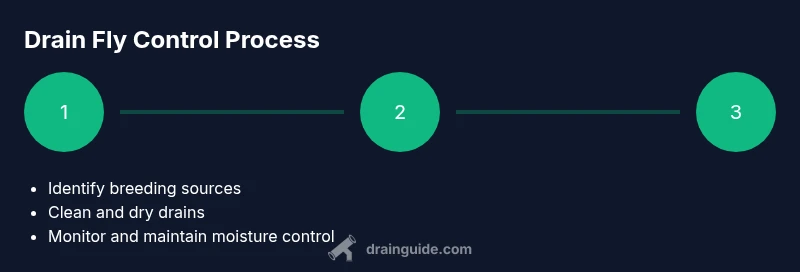
To treat drain flies successfully, follow a practical, phased plan. Phase 1: locate and document breeding sites; Phase 2: sanitize, dry, and maintain; Phase 3: monitor and reinforce with prevention. Our approach emphasizes methodical, repeatable steps, not Panic Pest solutions. As part of our brand, the Drain Guide team shares practical, evidence-based methods that focus on long-term results rather than quick fixes. Expect improvements within days of a thorough cleaning, with continued progress over 2-3 weeks as larvae develop and adults decline. The Drain Guide team’s verdict is that sanitation and moisture control are the most powerful tools for homeowners facing drain flies, with chemical treatments reserved for stubborn cases.
Tools & Materials
- Protective gloves (nitrile)(Chemical-resistant and snug-fitting for dexterity)
- Safety goggles(Protect eyes from splashes and fumes)
- Long-handled drain brush(Reach deep into pipes and traps)
- Enzymatic drain cleaner(Digest organic buildup without harsh fumes)
- Boiling water or kettle(Flush and loosen debris before cleaning)
- Drain covers or screens(Block larval access from entering the home)
- Flashlight(Inspect dark or hard-to-reach areas)
- Plastic scrapers or stiff brush(Dislodge stubborn residues in drains)
- Sealable bags for waste(Contain debris and disposed materials safely)
Steps
Estimated time: 1-2 hours for initial treatment; ongoing maintenance over 2-3 weeks
- 1
Identify breeding sources
Use a flashlight to inspect all drains, traps, and accessible pipes. Note areas with slime, foul odor, or consistent moisture. Document the findings to guide cleaning and future checks.
Tip: Take photos of each suspect site to track progress. - 2
Clear organic buildup from drains
Scrub the inside of each suspect drain with a stiff brush to remove slime and debris. Don’t rely on water alone—physical removal is essential.
Tip: Work from the outlet toward the trap to avoid pushing debris further back. - 3
Flush and rinse drains
Boil water and pour slowly into each drain after brushing. Rinse with hot water to carry loosened material out of the system.
Tip: Open a nearby window and wear a mask to manage steam and fumes. - 4
Apply enzymatic cleaner weekly
Follow label directions to apply enzymatic cleaner to affected drains. This supports ongoing digestion of organic matter between cleanings.
Tip: Do not mix enzymatic cleaners with other chemicals. - 5
Install covers and improve moisture control
Place drain covers on sinks and showers, and fix leaks. Use fans or dehumidifiers in damp spaces to reduce residual moisture that fuels breeding.
Tip: Keep bathroom doors open during the day to promote air movement. - 6
Monitor activity and trap as needed
Set non-toxic sticky traps near drains to gauge activity. Replace traps as they fill with flies and document changes.
Tip: A downward-looking trap helps avoid catching non-target insects. - 7
Reassess after 10-14 days
If activity persists, re-evaluate breeding sources and consider professional assessment for hidden issues such as vent or sewer problems.
Tip: Keep a log of inspections and cleaning dates for accountability.
Got Questions?
What are drain flies and how do I identify them?
Drain flies are tiny moth-like insects that breed in the slime inside drains. They’re most visible around sinks, showers, and floor drains. If you see fuzzy-winged flies around plumbing, you’re likely dealing with drain flies and should begin sanitation and moisture control.
Drain flies are tiny moth-like insects that breed in slimy film in drains. If you see them near plumbing, you’re likely dealing with drain flies and should start sanitation and moisture control.
Why do drain flies appear even when drains look clean?
Even clean-looking drains can harbor a hidden film of organic matter and moisture. Drain flies lay eggs in that film, and larvae feed on it. Thorough cleaning, moisture control, and ongoing maintenance are essential.
Even clean-looking drains can have a hidden film that supports breeding. Clean thoroughly, control moisture, and maintain a regular cleaning schedule.
Can I use baking soda and vinegar to treat drain flies?
Baking soda and vinegar can help with minor cleansing, but they’re not a proven solution for eliminating drain fly infestations. They may assist in loosening debris, but rely on mechanical cleaning and enzymatic cleaners for real results.
Baking soda and vinegar aren’t reliable for complete elimination. They can help with cleaning, but you’ll need mechanical cleaning and enzymatic cleaners for lasting relief.
Are there safe pesticides for indoor use?
Indoor pesticides should be used only as a last resort and strictly according to label directions. Prefer products labeled for drains or pest control around plumbing and consider safer biological options when available.
Only use pesticides labeled for indoor drain use and follow the directions closely. Safer biological options can be considered when appropriate.
How long does it take to control a drain fly infestation?
Control time varies with infestation size and moisture control success. Initial improvements can appear within days after thorough cleaning, with further progress over 2-3 weeks as larvae mature and adults decline.
You may see improvements within days, with continued progress over a couple of weeks as the life cycle resolves.
When should I call a plumber or pest professional?
Call a professional if the infestation remains after 2-3 weeks of thorough sanitation, if you notice sewer gas odors, persistent leaks, or signs of vent or main-line issues. Professionals can inspect for hidden plumbing problems and perform targeted treatments.
If the problem persists after several weeks or you suspect sewer or vent issues, contact a professional for a thorough inspection.
Watch Video
The Essentials
- Inspect all potential breeding sites and remove moisture
- Prioritize cleaning and sanitation over pesticides
- Use enzymatic cleaners to support ongoing drainage health
- Monitor and adjust; call a pro if needed