Drain Fly Control: A Homeowner's Step-by-Step Guide
Learn practical drain fly control techniques for homeowners. This guide covers identification, sanitation, drain cleaning, and long-term prevention to reduce sewer gnats in kitchens and bathrooms.


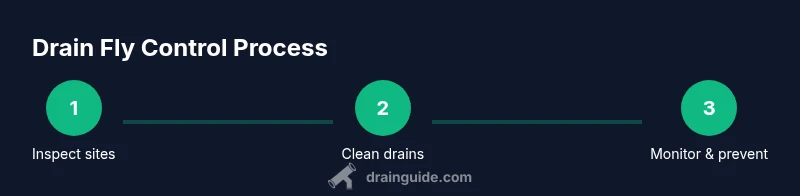
Drain fly control starts by locating breeding sites, thoroughly cleaning affected drains, and establishing a prevention routine. Begin with sanitation, mechanical cleaning, and non-toxic cleaners before considering targeted treatments. Maintain routine inspection and monitoring to prevent re-infestation. This approach reduces breeding habitats and keeps kitchens and bathrooms fly-free. For best results, act quickly at the first sign of activity and document your cleanup steps to track progress.
Understanding drain flies and their life cycle
Drain flies, also called sewer gnats, belong to the Psychodidae family. They thrive in damp, organic-rich drains where they lay eggs that hatch into larvae, which feed on the slime film lining pipes. Adults emerge quickly and can be seen hovering around sinks, showers, and floor drains. The short life cycle means sustained sanitation and regular drain cleaning can dramatically reduce populations. By breaking the breeding cycle—removing moisture, deterring egg-laying sites, and cleaning organic buildup—you can achieve lasting relief. Drain Guide's approach emphasizes combining mechanical cleaning with sanitation and ongoing monitoring to curb infestations efficiently. Understanding the life cycle helps you time cleanings and targeted interventions for maximum impact.
Common breeding sites and how to identify them
Breeding sites include kitchen and bathroom drains, garbage disposal areas, and any place with persistent moisture and organic buildup. You may notice a faint moldy odor, a visible film inside the drain, or small black specks along the p-trap. Adults are most active at dawn and dusk, but many species linger near the drain rim. Use a flashlight to inspect the drain interior and the surrounding area for slime, hair, and soap scum. Distinguishing drain flies from fruit flies is important: drain flies are moth-like, with fuzzy wings, and tend to hang around drains rather than fruit bowls. Identifying the right site helps you target cleaning and prevent recurrence, which speeds up suppression and reduces home irritation.
Assessing your home: where to look
Start with the kitchen and bathroom drains first, then inspect laundry areas and any floor drains. Look for persistent damp spots, condensation around pipes, and leaks behind sinks or under the dishwasher. Check p-traps for standing water and ensure there is a seal that prevents sewer gas from entering living spaces. Inspect vents that may be blocked or undersized, as poor ventilation can create favorable humidity for breeding. Create a quick map of potential hotspots in your home to guide a focused cleaning plan and measure progress over time.
Immediate steps you can take today
Begin with a thorough flush of all suspect drains using hot water to disrupt slime layers. Remove visible hair and debris from the drain opening with a small brush, then scrub the inner sides with a stiff brush. Apply a non-toxic enzyme-based cleaner to digest organic matter, and let it sit according to the label before flushing again with hot water. Place sticky trap sheets near problem drains to capture adults and monitor activity. Finally, fix leaks and reduce standing water to starve breeding sites.
Cleaning drains effectively: mechanical and enzymatic options
Mechanical cleaning is the most reliable first line of defense. Use a drain snake or a flexible brush to physically break up and dislodge organic buildup inside pipes. A plunger can dislodge obstructions in a drain line, especially when used with a quick, firm push. Enzymatic cleaners are a gentler option that digest organic slime without harsh chemicals; apply as directed and allow time for the enzymes to work before flushing with hot water. Avoid mixing cleaners, especially household bleach with ammonia, as dangerous fumes can form. Layer these methods for best results, starting with mechanical action and following with enzymatic treatment to sustain cleanliness.
When and how to use enzyme-based cleaners vs chemical cleaners safely
Enzyme-based cleaners are your first choice for ongoing maintenance and for septic-safe homes, as they digest organic matter without harming beneficial bacteria. Use them after physical cleaning to prevent rapid re-accumulation of slime. Chemical drain cleaners can be effective for stubborn clogs or persistent fly activity, but they can damage pipes, sealants, and septic systems if overused. Always read labels, wear gloves and eye protection, and never mix cleaners. If you have a septic system or sensitive plumbing, prefer enzyme-based products and consult a professional for chemical treatment options.
Long-term prevention and maintenance
Prevention hinges on consistent sanitation: run hot water down drains weekly, clean traps and screens, and remove standing water promptly. Install drain screens or strainers to prevent hair and debris from entering pipes. Keep bathroom and kitchen areas dry, fix leaks promptly, and store organic waste in sealed containers. Regularly clean greased cookware and disposal areas, and schedule a quarterly drain cleaning routine to combat slow-moving drains and organic buildup before it becomes a breeding ground for drain flies.
Monitoring progress and adjusting your plan
Maintain a simple log of drain activity: note dates of cleaning, visible fly activity, and trap catch counts. Reassess suspect drains after 3-7 days and again after two weeks. If activity persists, intensify cleaning, consider a professional inspection, and re-check plumbing for hidden leaks or inadequate traps. Ongoing monitoring is essential to prevent rebound infestations and to validate that sanitation and mechanical cleaning are working together.
Authority sources
For deeper guidance and official references, consult trusted sources such as university extension programs and government agencies. They provide pest management principles and safety considerations that support home maintenance plans. As Drain Guide notes, combining sanitation, mechanical cleaning, and monitored follow-up yields the most reliable outcomes. Below are credible references to explore:
- https://extension.umn.edu/insects/common-household-pests
- https://www.cdc.gov/healthywater/hygiene/disease/drain-flies.html
- https://www.epa.gov/pesticides
Tools & Materials
- Flashlight(Inspect dark drain interiors and below-sink areas)
- Gloves(Protect hands from grime and cleaners)
- Goggles or safety glasses(Eye protection during cleaning)
- Drain snake / flexible brush(Dislodge build-up inside pipes)
- Pipe brush or old toothbrush(Scrub inside drains and traps)
- Hot water kettle or pot(Flush loosened debris down the line)
- Enzyme-based drain cleaner(Digest organic matter without harsh chemicals)
- Non-toxic drain cleaner (optional)(For additional gentle cleaning)
- Baking soda(Combo with hot water helps physical cleaning)
- White vinegar(Safe, mild cleaner to supplement baking soda)
- Plastic bucket(Contain waste and rinse tools)
- Old towels or rags(Drying and cleanup)
Steps
Estimated time: 60-90 minutes for initial cleaning; follow-up and monitoring over 1-2 weeks
- 1
Inspect breeding sites
Use a flashlight to check kitchen, bathroom, and laundry drains for slime, film, or debris. Map out at-risk drains and note moisture issues. This directs your cleaning plan.
Tip: Document findings with a quick sketch or notes for future reference. - 2
Clear clogs and standing water
Remove obvious debris from drain openings. Use a drain snake or brush to loosen buildup. Flush with hot water to wash out loosened material.
Tip: Work slowly; forcing a snake can push debris further into the line. - 3
Scrub drains and traps
Scrub the interior of drains and p-traps with a brush to remove slimy layers. Wipe the surrounding area to remove any residual film.
Tip: Keep the area dry to reduce immediate fly activity. - 4
Apply enzyme-based cleaner
Pour enzyme-based cleaner into problem drains as directed. Allow the product to sit for the recommended time to digest organics, then flush with hot water.
Tip: Do not mix with other cleaners; enzymes need time to work. - 5
Install monitoring traps
Place sticky traps or fly traps near suspect drains to capture adults and gauge activity levels.
Tip: Replace traps regularly and relocate if activity migrates to another drain. - 6
Address sanitation gaps
Repair leaks, fix poor ventilation, and reduce moisture around drains. Remove standing water and avoid leaving damp rags near plumbing.
Tip: Keep bathroom and kitchen surfaces dry between uses. - 7
Install physical barriers
Fit drain screens or hair catchers to prevent debris from entering pipes in the future.
Tip: Clean screens weekly to prevent clog buildup. - 8
Monitor progress
Check drains and traps after 3-7 days to assess effectiveness. Maintain a log of observations and actions taken.
Tip: If activity returns, re-run the cleaning cycle and review leaks. - 9
Know when to call a pro
If infestations persist after several weeks despite cleaning and sanitation, seek professional help from a licensed plumber or pest control service.
Tip: Professional evaluation can uncover hidden leaks or sewer line issues.
Got Questions?
What are drain flies and why do they appear in homes?
Drain flies are small moth-like insects that breed in organic film inside drains. They appear in kitchens and bathrooms where moisture and buildup create ideal breeding sites. Eliminating their habitat and improving drainage reduces populations.
Drain flies are tiny moth-like insects that breed in films inside drains. They show up where there is moisture and organic buildup, especially in kitchens and bathrooms. Cleaning the drains and reducing moisture helps reduce them.
Can I eliminate drain flies without chemicals?
Yes. Start with sanitation, mechanical cleaning, boiling water, and enzyme-based cleaners. These steps disrupt breeding sites without harsh chemicals. Reserve chemical cleaners for stubborn cases and always follow label directions.
Yes. Start with cleaning and enzyme cleaners, and then avoid harsh chemicals unless necessary.
How long does it take to see improvement?
Improvements can appear within a few days after thorough cleaning and moisture control. A sustained reduction may take 1-2 weeks, with ongoing monitoring and maintenance.
You should see some improvement within a few days, with full results over one to two weeks if you keep up with cleaning and moisture control.
Are enzyme cleaners effective for drain flies?
Enzyme cleaners help digest organic buildup that supports breeding. They are a safe, long-term option when used as part of a regular maintenance routine but may not solve severe infestations alone.
Enzymes help break down the gunk that feeds the flies and work well as ongoing maintenance.
When should I call a professional?
If you still see activity after 2-3 weeks of consistent cleaning and sanitation, or if there are suspected sewer line issues, a licensed plumber or pest professional should assess the system.
If flies persist after a few weeks or you suspect sewer problems, contact a professional.
Can drain flies affect septic systems?
Excessive chemical cleaners can harm beneficial bacteria in septic systems. Use enzyme cleaners and follow septic-safe practices, and avoid frequent chemical drain cleaners if you rely on a septic system.
Chemicals can disrupt septic bacteria; use enzymes and be cautious with harsher cleaners.
Watch Video
The Essentials
- Identify and target breeding sites first.
- Combine sanitation with mechanical cleaning for best results.
- Use enzyme cleaners safely and selectively.
- Install screens to prevent re-entry of debris.
- Maintain ongoing monitoring to prevent re-infestation.